Which flowers cause the worst hay fever
Contents:
- Quick Answer: Flowers Most Likely to Trigger Hay Fever
- Why Do Some Flowers Cause More Hay Fever Than Others?
- Wind vs. Insect Pollination
- Pollen Size and Stickiness
- The Big Offenders: Flowers to Watch Out For
- Daisies, Sunflowers, and Mums (Aster Family)
- Baby’s Breath (Gypsophila)
- Lilies
- Amaranth and Wildflowers
- Surprisingly Low-Allergy (Hypoallergenic) Flower Choices
- Roses, Carnations, and Orchids
- Tulips, Peonies, Hydrangeas
- Table: Allergy Risk of Popular Florist Flowers (2026 Update)
- How to Choose Allergy-Safe Bouquets (And Still Get Gorgeous)
- Tips for Allergy-Proof Arrangements
- Shop Smart with US Flower Services
- Can Hay Fever Be Triggered by Cut Flowers Indoors?
- Expert Insight
- Minimize Exposure
- FAQ: Flowers & Hay Fever
- Which flower causes the worst hay fever symptoms?
- Are roses safe for allergy sufferers?
- Can lilies cause hay fever?
- Is baby’s breath bad for allergies?
- What’s the best way to find allergy-friendly bouquets?
- The Next Time You Order Flowers…
Which Flowers Cause the Worst Hay Fever? The Truth Behind Allergic Blooms
Imagine walking into a sunlit flower shop–roses gleaming, lilies aglow, sunflowers standing tall. You take a deep breath and suddenly, it hits: itchy eyes, scratchy throat, a sneeze that rattles your sinuses. Hay fever season isn’t just about grass and trees. Some of the most popular cut flowers can pack a serious (and sneezy) punch.
Allergies in the floral world can be surprisingly sneaky. Not every pollen-heavy bloom is an obvious culprit; some understated bouquets hide a hay fever hazard in plain sight. Unmasking these troublemakers–and learning which flowers are safer–can make enjoying a bouquet a whole lot more comfortable.
Quick Answer: Flowers Most Likely to Trigger Hay Fever
The worst flowers for hay fever are those that release lots of light, wind-borne pollen. Key offenders include daisies, sunflowers, chrysanthemums, and some types of lilies. On the other hand, roses, orchids, and tulips tend to be much safer choices for allergy sufferers, as their pollen is usually heavier and less likely to become airborne.
Top Allergy-Triggering Flowers:
- Daisies (Asteraceae)
- Sunflowers (Helianthus)
- Chrysanthemums
- Baby’s Breath (Gypsophila)
- Certain lilies (especially Asiatic types)
- Amaranth
- Ragweed (technically a wildflower but sometimes included in ‘wildflower’ mixes)
If you’re curating a bouquet for someone with allergies, avoiding these species is your safest bet.
Why Do Some Flowers Cause More Hay Fever Than Others?
Not all flowers are created equal when it comes to allergies. The difference boils down to pollen characteristics and how the plant is pollinated.
Wind vs. Insect Pollination
Flowers that rely on the wind to spread their pollen (anemophilous plants) typically release vast amounts of fine, dry pollen into the air. That’s bad news for anyone prone to hay fever.
- Wind-pollinated flowers: Sunflowers, ragweed, grasses
- Insect-pollinated flowers: Roses, lilies (some types), peonies
According to Dr. Karen Willoughby, Ph.D., a horticulturist at the University of California Davis, “It’s not just about how much pollen a flower produces; it’s how easily that pollen can get into the air and into your nose.”
Pollen Size and Stickiness
Light, dry pollen travels far and is inhaled easily. Stickier, heavier pollen tends to stay put, sticking to bees or petals instead of swirling through the air.
A 2024 study by the American Academy of Allergy, Asthma, and Immunology showed that hay fever symptoms spike during peak release periods for wind-pollinated species, with allergy medication sales rising nearly 15% in April and May.
The Big Offenders: Flowers to Watch Out For
Certain blooms are repeat offenders in triggering sneezing fits. Here’s what you should know about them.
Daisies, Sunflowers, and Mums (Aster Family)
The Asteraceae family dominates the allergy offender leaderboard.
- Sunflowers: Their big, bold heads look cheerful but are heavy pollen producers.
- Daisies: Common in wildflower bouquets and arrangements. Their pollen is fine and floats easily.
- Chrysanthemums (Mums): Especially popular in late fall arrangements, and loaded with allergenic pollen.
| Flower | Pollen Type | Allergy Risk |
|---|---|---|
| Sunflower | Wind-borne | High |
| Daisy | Wind-borne | High |
| Mum | Wind-borne | High |
| Baby’s Breath | Fine, airborne | Moderate-High |
“I have to warn my clients–those beautiful mum arrangements can be misery for someone with allergies,” says Maggie Dean, owner of Brooklyn Blooms Florist, NY.
Baby’s Breath (Gypsophila)
It looks dainty, but don’t be fooled. The tiny white clusters can distribute a fair amount of pollen in a small space, making them a surprising trigger.
Lilies
While not every lily is a problem, some varieties–especially Asiatic and Stargazer lilies–have exposed, powdery pollen that can set off sneezing spells. Oriental lilies tend to have less airborne pollen but are still riskier than tulips or roses.
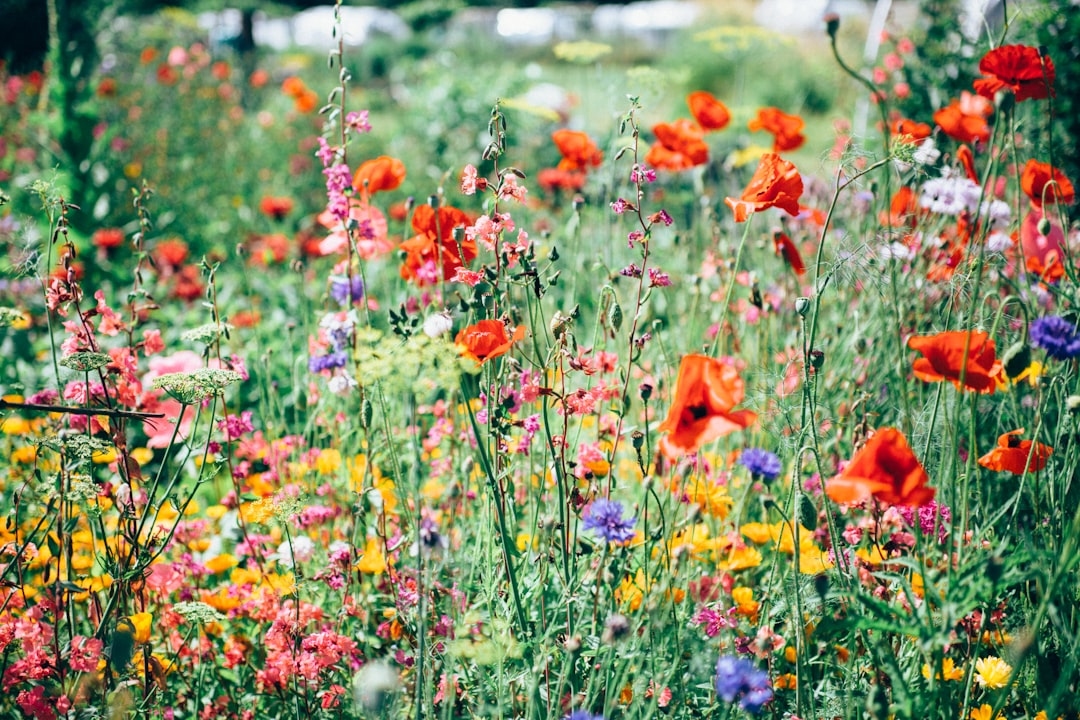
Amaranth and Wildflowers
Arrangements labeled as “wildflower” mixes commonly feature amaranth and ragweed relatives. Ragweed, in particular, is infamous for its severe impact during late summer in the US, causing up to 1 in 5 seasonal allergy cases according to the CDC (2025 report).
Surprisingly Low-Allergy (Hypoallergenic) Flower Choices
Safe does not mean boring. There are plenty of stunning, mostly sneeze-free choices for your home or your loved ones.
Roses, Carnations, and Orchids
- Roses: Heavy, sticky pollen stays inside the flower.
- Orchids: Most produce little airborne pollen.
- Carnations: Minimal pollen exposure, low allergy risk. Also, widely available from brands like 1-800-Flowers and Teleflora.
Tulips, Peonies, Hydrangeas
- Tulips: Tight petals keep pollen tucked away.
- Peonies: Showy blooms, but low pollen count.
- Hydrangeas: Most varieties are considered hypoallergenic.
Tip: Ask your local florist if their flower stock is “allergy-friendly.” Many US shops now label arrangements with flags like “Allergy-Safe” or “Pet-Friendly” in spring 2026.
Table: Allergy Risk of Popular Florist Flowers (2026 Update)
| Flower Type | Allergenicity | US Availability | Popularity in Bouquets |
|---|---|---|---|
| Sunflower | High | Nationwide | Very Common |
| Chrysanthemum (Mum) | High | Nationwide | Very Common |
| Daisy | High | Nationwide | Common |
| Baby’s Breath | Moderate-High | Nationwide | Very Common |
| Lily (Asiatic) | Moderate-High | Nationwide | Common |
| Rose | Low | Nationwide | Extremely Common |
| Orchid | Low | Nationwide | Common |
| Tulip | Low | Nationwide | Very Common |
| Carnation | Low | Nationwide | Very Common |
| Peony | Low | Seasonal* | Common (Spring) |
| Hydrangea | Low | Seasonal* | Common (Summer) |
(*Availability may vary by region and season.)
How to Choose Allergy-Safe Bouquets (And Still Get Gorgeous)
Navigating bouquets with allergies in mind can feel intimidating, but there are simple ways to make sure your flowers don’t double as a tissue delivery system.
Tips for Allergy-Proof Arrangements
- Go for Single Flowers: Arrangements with just one type of bloom (especially hypoallergenic ones) reduce your risk.
- Skip the Fillers: Filler flowers like baby’s breath add flair but also more pollen.
- Ask About Male vs. Female Plants: In some species, male flowers release most pollen. Florists can help steer you toward female varieties (especially with tropicals).
Shop Smart with US Flower Services
Major US services like FTD and ProFlowers now filter bouquets for allergy concerns on their websites (since 2024), with options to exclude high-allergen blooms.
Mandy Lee, lead designer at Flowers For All (Denver, CO), suggests, “Requesting a custom bouquet with only hypoallergenic flowers is easy–most reputable florists expect it. Don’t be shy to ask.”
Can Hay Fever Be Triggered by Cut Flowers Indoors?
A common myth says only outdoor pollen is a problem, but indoor bouquets can definitely cause symptoms–especially in poorly ventilated rooms or for those with severe allergies.
Expert Insight
A 2025 survey from the Asthma and Allergy Foundation of America found that 28% of self-identified hay fever sufferers reported symptoms after receiving cut flower arrangements. The culprit? Primarily wind-pollinated blooms brought inside.
Minimize Exposure
- Display flowers away from bedrooms
- Change water and trim stems regularly
- Remove pollen-laden anthers (especially in lilies)
For extreme sensitivity, consider silk or paper flower alternatives–Etsy and local craft stores offer surprisingly realistic faux options in 2026.
FAQ: Flowers & Hay Fever
Which flower causes the worst hay fever symptoms?
Sunflowers and chrysanthemums top the list for worst hay fever triggers, due to their fine, wind-borne pollen. Ragweed wildflowers are also a huge source of allergic reactions.
Are roses safe for allergy sufferers?
Generally, yes. Roses produce heavy, sticky pollen unlikely to become airborne, making them a safe (and classic) choice for allergy-prone individuals.
Can lilies cause hay fever?
Some lilies, especially Asiatic and certain Stargazer varieties, can shed significant amounts of pollen and trigger symptoms. Double-check with your florist for low-pollen varieties or consider removing the anthers before arranging.
Is baby’s breath bad for allergies?
Despite its delicate appearance, baby’s breath releases fine pollen and can be a problem for sensitive people when used in large quantities.
What’s the best way to find allergy-friendly bouquets?
Ask your florist for arrangements with hypoallergenic flowers like roses, orchids, carnations, tulips, and hydrangeas. Many US flower shops and big delivery services let you filter options by “allergy-safe” in 2026.
The Next Time You Order Flowers…
Think beyond looks–ask what’s in your bouquet. If hay fever’s a worry, go for roses, tulips, or orchids, and skip the daisies and baby’s breath. Your nose–and your loved ones–will thank you. And keep an eye on local florists: more are offering “allergy-smart” bouquets each season, making it easier than ever to send beauty without the sneezes. Order smarter, breathe easier, and savor those blooms all spring and summer long.

Related Posts
Preserved rose dome brands compared
Field to Vase Dinner Tour explained