
Why milk in flower water is a myth
Contents:
- The Real Answer: Why You Shouldn’t Put Milk in Flower Water
- Where Did the Milk Myth Start?
- What Actually Happens When You Add Milk to Flower Water?
- Bacterial Growth Skyrockets
- Stems Get Blocked
- Bad Odors, Faster Wilting
- Flower Science: What Cut Flowers Actually Need
- The Basics
- Do Flower Foods Work?
- Common Flower Water Additives–What Works?
- Why Does This Myth Keep Circulating?
- What Professional Florists Do Instead
- The Pro Routine
- Pull-Quote
- Frequently Asked Questions
- Does milk in flower water really work?
- Is any kind of milk (skim, almond, plant-based) safe for flower water?
- What’s the best way to keep cut flowers fresh?
- Can I make homemade flower food?
- Why do some hacks say to use milk in flower water?
- Next Steps: Treat Your Flowers Like a Pro
Why Milk in Flower Water Is a Myth
On a sticky summer afternoon in Brooklyn, a florist named Jane at Terracotta & Vine took a call from a frantic groom. His bridal bouquet was wilting, and TikTok said the answer was in his refrigerator: milk. After a quick scroll through #FloristryHacks, he’d emptied a carton into his vase. The result? A sour, smelly mess.
The myth that putting milk in flower water will prolong blooms is everywhere–shared between generations, popping up in YouTube shorts, echoed in Reddit threads. But does it work? Ask any reputable American florist in 2026, and you’ll get the same answer: not only is this tip ineffective, it’s potentially disastrous for your flowers (and your nose).
The Real Answer: Why You Shouldn’t Put Milk in Flower Water
Quick answer:
Adding milk to the water in your flower vase does not keep flowers fresh longer. It accelerates bacterial growth, makes water go bad quickly, and can actually kill your flowers faster.
Here’s why:
- Milk is full of proteins and sugars – great for bacteria, not for stems.
- Bacteria explosion clouds the water and clogs stems, blocking water uptake.
- Odor alert: Within 24-48 hours, your vase will smell like sour dairy.
- No scientific evidence supports milk prolonging cut flower life–according to the American Society of Florists and Cornell University’s College of Agriculture.
Where Did the Milk Myth Start?
There’s no clear “aha!” moment, but the story probably began in the 20th century, as old household guides touted milk as a plant fertilizer. Some advice columns from the 1950s suggested a splash of milk could feed cut flowers, based on its value for living plants. It’s true: milk contains calcium and nutrients–when poured onto soil outdoors. But cut flowers are no longer growing. They need clean, bacteria-free water, not a bacterial feast.
Dr. Leslie Ramirez, Ph.D., a horticulturist at Purdue University, says:
“The idea that milk is ‘food’ for cut flowers is a misconception. Once flowers are cut, they can’t absorb or metabolize those nutrients. Instead, they’re much more likely to succumb to vase bacteria, which love the milk’s sugars.”
What Actually Happens When You Add Milk to Flower Water?
Bacterial Growth Skyrockets
A 2024 study at UC Davis found that adding just 1 tablespoon of skim milk to a quart of vase water caused bacterial counts to triple within 12 hours. Compare this to tap water, which typically stays clear for 2-4 days with fresh flowers.
Stems Get Blocked
Milk in the water leads to cloudy sludge. The bacteria and particulates block the xylem (tiny water-carrying tubes) in the flower stems, cutting off their ability to drink.
Bad Odors, Faster Wilting
After 24-48 hours, the water smells sour and flowers wilt. Not exactly the dreamy floral arrangement you see on Instagram Reels.
Here’s a quick side-by-side:
| Plain Water | Water + Milk | |
|---|---|---|
| Bacteria count (12 hrs) | Low | Very high |
| Odor (24 hrs) | None | Sour, rotten |
| Flower lifespan | 5-10 days | 1-3 days |
| Appearance | Clear, bright | Cloudy, yellowing |
Flower Science: What Cut Flowers Actually Need
The Basics
Cut flowers keep best with:
- Clean, cool water – tap water is fine for most flowers.
- Regular water changes (every 2-3 days).
- Trimmed stems (cut at an angle, 1/2 inch off).
- Flower food packet (the powder that comes from Teleflora, 1-800-Flowers, or your local shop).
Do Flower Foods Work?
Absolutely. Commercial flower food (like Chrysal, $6.99 for a 1-pound tub as of 2026) contains:
- Acidifiers to slow bacteria.
- Sugar to feed blossoms (in tiny amounts, balanced with anti-bacterial agents).
- Bleach or biocide to keep water clean.
Florist Avery Gomez, AIFD-CFD, explains:
“Homemade hacks–like aspirin, soda, or bleach–sometimes help. But milk is the one thing almost guaranteed to ruin a bouquet.”
Common Flower Water Additives–What Works?
| Additive | Effect on Flowers |
|---|---|
| Store-bought flower food | Extends lifespan, keeps water clear |
| Aspirin | Mild benefit for some flowers |
| Lemon-lime soda | Sugar feeds bacteria, can shortens life |
| Bleach (few drops) | Keeps water clear, but too much burns stems |
| Sugar only | Feeds bacteria, shortens vase life |
| Milk | Ruins flowers, shortens life |

Why Does This Myth Keep Circulating?
Social media is a powerful thing. Viral “hacks” spread in seconds, especially when they involve simple, household items. Flower care is full of passed-down wisdom–some good, some outdated, some, like milk, stubbornly persistent.
In the US, where flower delivery is a $13.3 billion industry (Statista, 2025), misinformation can sting! Customers want their FTD, BloomNation, or UrbanStems bouquets to last, so they’ll try nearly anything.
But unlike fresh pasta sauce, flowers don’t benefit from a milky touch.
What Professional Florists Do Instead
The Pro Routine
Here’s how top US florists keep arrangements looking fresh:
- Use clean, sterilized vases–no residue.
- Cut stems with sharp, clean snips (not dull kitchen scissors).
- Place in cool, room-temp tap water (not ice water).
- Add the provided flower food (or DIY: 1 tsp sugar, 1/4 tsp bleach per quart).
- Change water every 2-3 days, re-trim stems each time.
- Keep arrangements away from direct sunlight, fruit bowls, and heaters.
“Milk belongs in your latte, not your lilies,” says Jasmine Patel, lead designer at Dallas Flower Lounge.
Try this simple list:
- Do: Use the included flower food, change water often.
- Don’t: Add milk, soda, vinegar, or “secret” family remedies.
Pull-Quote
“The best-kept secret in cut flower care? There is no secret–just fresh water, clean vases, and common sense.”–Avery Gomez, AIFD-CFD
Frequently Asked Questions
Does milk in flower water really work?
No. Milk in flower water doesn’t help your flowers last longer. It actually causes bacteria to grow rapidly, making your flowers wilt and the water smell bad in just a day or two.
Is any kind of milk (skim, almond, plant-based) safe for flower water?
None. Dairy or plant-based milks contain proteins, fats, or sugars that feed bacteria. No type helps cut flowers live longer; they all cause faster decay.
What’s the best way to keep cut flowers fresh?
Use clean water, trim stems regularly, change water every 2-3 days, and use a commercial flower food. Avoid kitchen “hacks” and keep flowers out of direct sunlight and away from ripening fruit.
Can I make homemade flower food?
Yes. Mix 1 teaspoon sugar, 1/4 teaspoon bleach, and 2 teaspoons lemon or lime juice in 1 quart of water. This helps feed the flowers and control bacteria, similar to commercial products.
Why do some hacks say to use milk in flower water?
It’s an old myth, likely confused with using milk as fertilizer for growing plants in soil. Once flowers are cut, milk does more harm than good by promoting rapid bacterial growth in vase water.
Next Steps: Treat Your Flowers Like a Pro
Next time you unbox a fresh bouquet or surprise delivery from Bouqs or Whole Foods, skip the TikTok trends. Reach for clean water, snip those stems, and grab the actual flower food packet. Want to experiment? Try a side-by-side vase test–one with water and food, one with milk. The results (and the smell) will convince you fast.
Your flowers deserve better than spoiled milk. Give them a chance to shine–with science, not superstition.

Related Posts
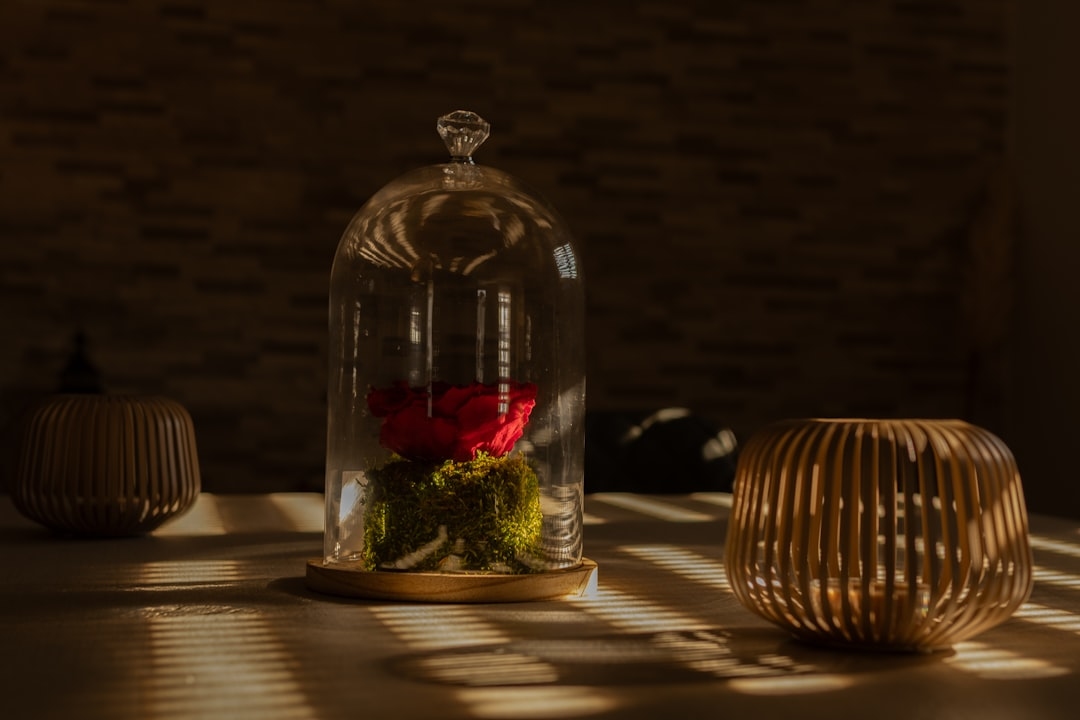
Preserved rose dome brands compared
Field to Vase Dinner Tour explained