The language of flowers in Japan
Contents:
- What Is the Language of Flowers in Japan? (Featured Snippet)
- Hanakotoba: Japan’s Flower Language System
- Historical Roots
- Everyday Expressions
- Flower Meanings: Most Popular Blooms and Their Messages
- Table: Common Japanese Flowers and Their Hanakotoba
- Misunderstandings and Taboo Blooms
- Japanese Floristry: Tradition Meets Modern Design
- The Role of Ikebana
- Hybrid Arrangements for Modern Gifts
- When to Use the Language of Flowers in Japan
- Celebrations and Anniversaries
- Saying Sorry–Or Something Harder
- Business and Formal Occasions
- How Hanakotoba Is Influencing U.S. Floristry
- Frequently Asked Questions About the Language of Flowers in Japan
- What is hanakotoba?
- Which flowers should you avoid giving in Japan?
- Can I order a hanakotoba-inspired bouquet in the U.S.?
- Do Japanese people still use the language of flowers today?
- How much does a typical bouquet cost in Japan?
- Make Your Next Bouquet Speak Louder Than Words
The Language of Flowers in Japan: How Floristry Speaks Volumes
Picture a crisp spring morning in Tokyo’s Ueno Park. Crowds gather beneath a sea of pale pink cherry blossoms, cameras flash, and laughter drifts through the air. But for many, the real conversation takes place silently–between petals. In Japan, every flower has a message, and sending or receiving a bouquet isn’t just about beauty. It’s about saying the things words can’t always capture.
Flower symbolism–known as hanakotoba–is woven deep into Japanese daily life, ceremonies, and relationships. Unlike the West, where red roses nearly always mean romance, Japan’s floral language is more nuanced, sometimes surprising, and occasionally carries warnings instead of invitations.
What Is the Language of Flowers in Japan? (Featured Snippet)
The language of flowers in Japan, called hanakotoba, is an intricate system of symbolic meanings assigned to specific flowers. Used in bouquets, gifts, and even literature, each bloom conveys emotions or intentions–ranging from love and friendship to warning or apology. For example, red camellias signify deep love, while yellow chrysanthemums can mean rejection. Understanding hanakotoba helps avoid accidental faux pas and adds rich, unspoken context to Japanese floristry.
Hanakotoba: Japan’s Flower Language System
Historical Roots
Hanakotoba isn’t a recent trend. Originating in the Edo period (1603-1868), when strict societal rules encouraged subtle communication, flowers became secret messengers. Lovers used them to express forbidden feelings; samurai sent disguised messages in bouquets. Over centuries, these meanings solidified, influencing everything from poetry to modern text emojis.
Junko Watanabe, a Tokyo-based floral designer with 25 years’ experience, explains:
“Even today, Japanese clients ask for bouquets with specific hanakotoba meanings–especially for weddings, apologies, or graduations. Some flowers are almost never used for birthdays, while others are perfect for apologies or confessions.”
Everyday Expressions
Florists in Japan might ask: “What occasion?”–not just to match colors, but to avoid taboo flowers. For instance:
- White lilies: Purity, often used at funerals.
- Red roses: Love, but sometimes too bold for a new relationship.
- Blue hydrangea: Apology or gratitude.
This contrasts sharply with most U.S. florists, where color and design dominate, and symbolic meanings are often generalized or overlooked.
Flower Meanings: Most Popular Blooms and Their Messages
Table: Common Japanese Flowers and Their Hanakotoba
| Flower | Hanakotoba Meaning | U.S. Equivalent Meaning |
|---|---|---|
| Cherry blossom | Transience, new start | Beauty, spring, renewal |
| Red camellia | Deep love, passion | Admiration, longing |
| Yellow chrysanthemum | Rejection, slight | Cheerfulness, fall |
| White lily | Purity, innocence | Sympathy, remembrance |
| Blue hydrangea | Apology, gratitude | Grace, abundance |
| Sunflower | Adoration, loyalty | Warmth, positivity |
Misunderstandings and Taboo Blooms
Sending the wrong flowers can cause more than confusion in Japan–it can offend. Yellow chrysanthemums, considered bright and cheerful in the U.S., actually symbolize mourning or rejection in hanakotoba. It’s not just about color: even the season and arrangement style matter.
Yuji Nakahara, a Kyoto horticulturist, notes:
“A well-intentioned bouquet can send the wrong message. That’s why we always check: Is it for congratulations–or condolences?”
Japanese Floristry: Tradition Meets Modern Design
The Role of Ikebana
Ikebana, the Japanese art of flower arranging, prioritizes simplicity, line, and space as much as symbolism. Modern practitioners blend hanakotoba with streamlined, asymmetrical compositions. Unlike U.S. floristry, which often favors lush, overflowing bouquets (think 1-800-Flowers or ProFlowers), Japanese arrangements are often minimalist, with each stem carefully chosen for meaning.
Hybrid Arrangements for Modern Gifts
Contemporary florists in big cities like Osaka and Tokyo have begun to blend Western styles with hanakotoba. U.S. expats and international visitors can now order “safe” bouquets for about ¥5,000-¥12,000 (roughly $35-$85 USD in 2026), with guidance from bilingual staff. Services like Aoyama Flower Market and Hibiya-Kadan allow same-day delivery, akin to FTD in the U.S., but with hanakotoba-specific recommendations built in.
When to Use the Language of Flowers in Japan
Celebrations and Anniversaries
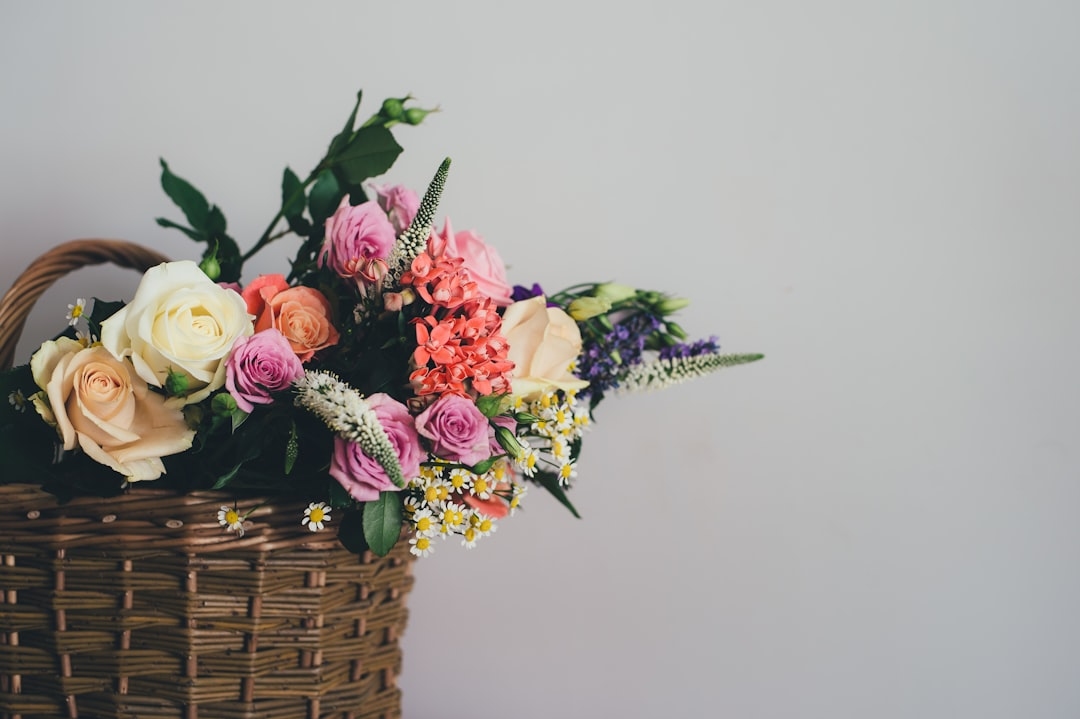
Don’t show up to a Japanese wedding with white lilies or chrysanthemums–they’re for funerals. Opt for red camellias, pink roses, or cherry blossoms: all carry positive, loving messages. For graduations, orchids (success) or irises (hope) are popular.
Saying Sorry–Or Something Harder
Requesting forgiveness? Blue hydrangeas are the go-to for apologies. For breakups or gentle rejections, yellow chrysanthemums or wilting camellias may be used (though these are less common with U.S.-influenced romantic norms taking root among younger generations).
Business and Formal Occasions
Gift-giving is integral to Japanese business culture. Orchids (prosperity) and pine sprigs (longevity) make excellent corporate gifts. However, avoid red roses, which can be misread as romantic or overly intense.
Short List: Do’s and Don’ts
- Do: Ask your florist for hanakotoba-based advice.
- Don’t: Recycle Western color meanings without checking.
- Do: Skip white, yellow, or blue flowers for weddings unless you’re sure of their meaning.
- Don’t: Assume peonies (wealth, good fortune) are as casual as roses.
How Hanakotoba Is Influencing U.S. Floristry
It’s not just a Japan-only phenomenon. American florists are increasingly aware of hanakotoba–especially in cities with large Japanese communities (Los Angeles, San Francisco, Seattle). Chains like UrbanStems and BloomNation report a 17% increase (2024-2025) in requests for “meaningful” arrangements inspired by Japanese symbolism.
Florist Maria Alvarez, AIFD-certified and owner of Blossom & Vine (Seattle), says:
“Brides and corporate clients are asking: ‘What does this flower mean?’ Hanakotoba isn’t just a trend–it’s shifting how we think about messaging with flowers.”
Frequently Asked Questions About the Language of Flowers in Japan
What is hanakotoba?
Hanakotoba is the Japanese system of assigning specific symbolic meanings to flowers. Unlike Western symbolism, hanakotoba uses a detailed set of rules where each flower represents an emotion, wish, or message, often based on history, color, and season.
Which flowers should you avoid giving in Japan?
Avoid yellow chrysanthemums (rejection or mourning), white lilies (funerals), and red anemones (bad luck or forsaken love) unless you’re sure of the context. For celebrations, stick with positive flowers like cherry blossoms, camellias, or orchids.
Can I order a hanakotoba-inspired bouquet in the U.S.?
Yes, many U.S. florists–especially in cities with Japanese populations–offer hanakotoba-inspired arrangements. Ask for specific flower meanings, or use services like UrbanStems or FTD, mentioning your intent.
Do Japanese people still use the language of flowers today?
Yes, hanakotoba continues to be relevant, particularly for formal events, weddings, and apologies. Younger people may use it less strictly, but most Japanese are aware of the major flower meanings.
How much does a typical bouquet cost in Japan?
In 2026, a hanakotoba-conscious bouquet from a mid-range Tokyo florist typically costs between ¥5,000 and ¥12,000 (about $35-$85 USD), depending on size, selection, and delivery options.
Make Your Next Bouquet Speak Louder Than Words
Sending flowers in Japan–or to someone with Japanese heritage–means more than choosing pretty colors. The right bouquet can celebrate, comfort, apologize, or inspire, all without a single spoken word. Next time you’re placing an order–whether it’s with a U.S. florist or a Japanese flower shop–ask what your flowers are saying. Consider learning a few hanakotoba essentials, or work with a florist attuned to cultural nuance. Your gesture will feel more thoughtful, and your message will truly blossom.

Related Posts
Preserved rose dome brands compared
Field to Vase Dinner Tour explained