Greenhouse cut flowers winter production
Contents:
- What Is Greenhouse Cut Flowers Winter Production? (Direct, Scannable Answer)
- Why Grow Cut Flowers in Greenhouses During Winter?
- Extending the Local Flower Season
- Meeting Consistent Market Demand
- The Technology Powering Winter Greenhouse Blooms
- Lighting: Simulating Summer Sun
- Heating: Cost, Efficiency, and Sustainability
- Humidity, Ventilation, and Disease
- Best Flowers for Greenhouse Winter Production
- Top Greenhouse Winter Cuts (US Zones 3-8)
- Choosing Varieties
- How Greenhouse Winter Flower Production Helps Local Florists
- Fewer Shipping Delays and Damage
- Extended Vase Life
- Premium Varieties, Custom Orders
- Economic Realities: Is Winter Greenhouse Floriculture Profitable?
- Input Costs vs. Premium Prices
- Government Incentives and Grants
- Key Steps to Start Growing Greenhouse Flowers in Winter
- Site and Greenhouse Selection
- Crop Planning
- Pest and Disease Management
- Marketing and Sales
- Pull-Quote
- FAQ: Greenhouse Cut Flowers Winter Production
- How much does it cost to heat a greenhouse in US winters?
- What are the best flowers to grow in a winter greenhouse?
- Can you grow roses in a winter greenhouse?
- How do florists buy local winter flowers?
- Are greenhouse winter flowers more eco-friendly?
- What’s Next for US Winter Greenhouse Flower Production?
Greenhouse Cut Flowers Winter Production
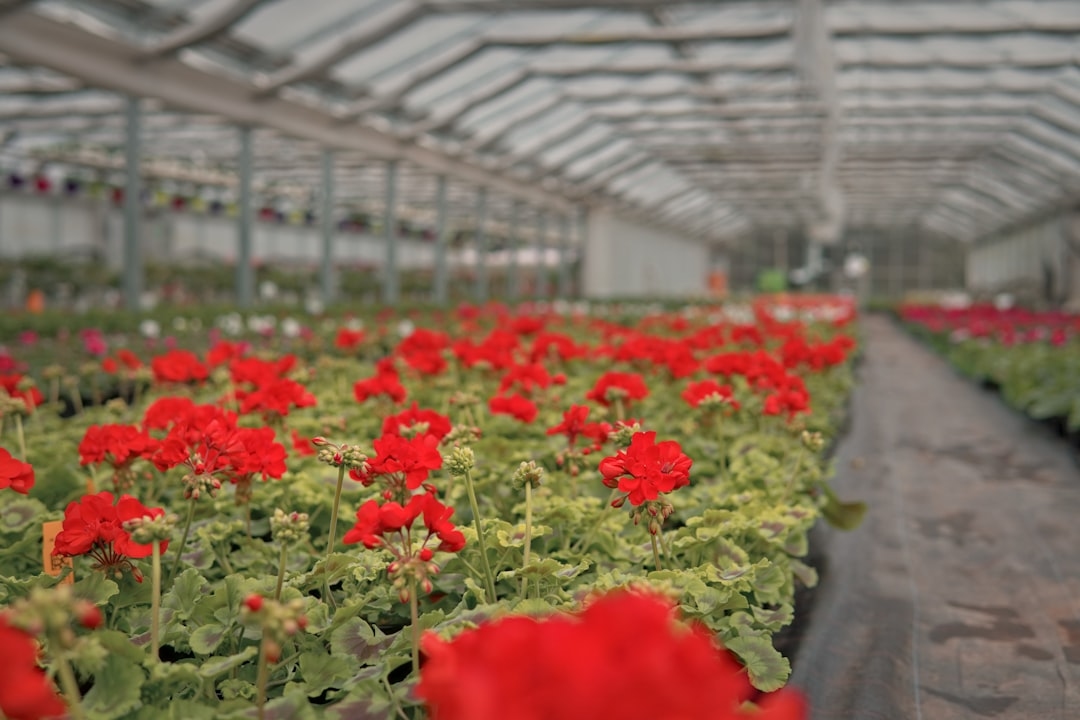
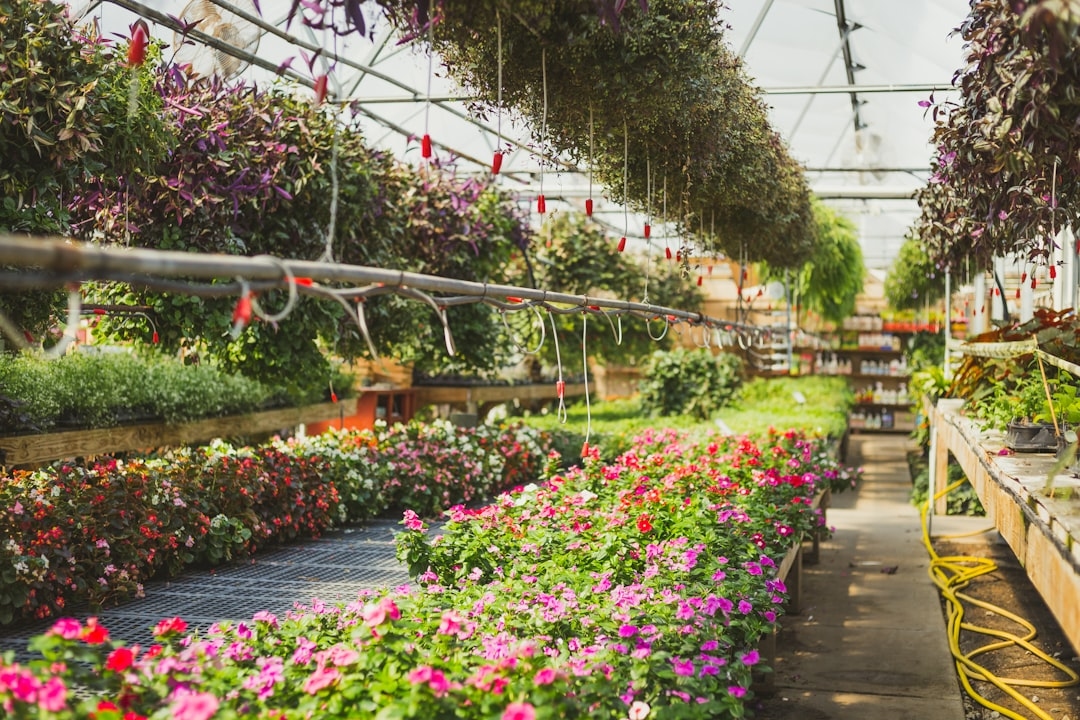
Picture a Wisconsin morning in January. Wind howls, snow piles up–yet inside a glass house, rows of lisianthus, ranunculus, and snapdragons unfurl into bloom. While most gardens slumber, greenhouse growers are harvesting armloads of fresh cut flowers, destined for local florists and Valentine’s bouquets. Winter flower production in greenhouses isn’t just possible–it’s reshaping American floral markets.
What Is Greenhouse Cut Flowers Winter Production? (Direct, Scannable Answer)
Greenhouse cut flowers winter production refers to growing and harvesting fresh, high-quality cut flowers inside climate-controlled greenhouses during the colder months (typically November through March) in the United States. This method uses supplemental lighting, heating, and protection from the elements to extend–or even entirely shift–the harvest season. Top winter greenhouse blooms include anemones, tulips, ranunculus, snapdragons, and lisianthus. Producers range from small family farms to large commercial operations supplying major flower delivery services.
Why Grow Cut Flowers in Greenhouses During Winter?
Think of Valentine’s Day in February–the busiest flower-giving holiday in America. According to the Society of American Florists, nearly 250 million roses are sold in the US just for Valentine’s. Demand peaks when outdoor production is impossible in most states.
Extending the Local Flower Season
Without greenhouses, American florists rely on imported blooms from Ecuador, Colombia, or Kenya. That adds cost, impacts freshness, and increases environmental footprints. By producing winter flowers locally under glass, US growers:
- Deliver fresher, longer-lasting bouquets
- Target premium prices ($1.50-$3 per stem versus $0.60 for imports)
- Reduce transportation emissions
“Winter greenhouse flowers have revolutionized our Valentine’s offerings,” says Carla Nguyen, head grower at Sunbeam Floral Farm in Pennsylvania. “Customers love knowing their bouquet was cut less than 48 hours ago, not flown in from another continent.”
Meeting Consistent Market Demand
Large greenhouse producers like The Fresh Flower Company (California) and Continental Floral Greens (Washington) run year-round. Winter greenhouse output has grown over 30% since 2020, according to the USDA’s Floriculture Crops Summary (2024).
The Technology Powering Winter Greenhouse Blooms
Modern greenhouse floriculture is both art and science. Producing cut flowers in January means wrestling with:
- Low light
- Heat loss
- Humidity swings
- Pest outbreaks
Lighting: Simulating Summer Sun
In winter, natural light drops below what most flowers need. LED grow lights–brands like Fluence Bioengineering and Philips GreenPower–are standard. A ranunculus crop might require 14-16 hours of light daily. Michigan State University recommends at least 100-150 µmol/m²/s for optimal stem quality on winter-blooming anemones.
Heating: Cost, Efficiency, and Sustainability
Keeping a 3,000-square-foot greenhouse above 55°F (the minimum for most cut flowers) can eat up $8,000-12,000 in propane or natural gas between November and March. Leading growers invest in:
- High-efficiency boilers and heat pipes
- Thermal screens to trap warmth at night
- Passive solar designs
Some, like Bright Petal Collective in Vermont, offset costs with on-site solar or geothermal systems.
Humidity, Ventilation, and Disease
Too much humidity breeds botrytis and powdery mildew. Automated vents, dehumidifiers, and horizontal airflow fans (brands: Schaefer, Priva) keep air moving. Routine crop scouting is essential–one gray mold outbreak can wipe out weeks of harvest.
“Running a winter greenhouse is all about balancing the environment hour by hour. It can be tense, but the flowers are worth it.”
– Jim Marcus, Floriculturist & Owner, Pacific Bloomworks (Oregon)
Best Flowers for Greenhouse Winter Production
Not every cut flower thrives under glass in winter. The right varieties–and even specific cultivars–make all the difference.
Top Greenhouse Winter Cuts (US Zones 3-8)
| Flower | Typical Bloom Time (GH) | Notes |
|---|---|---|
| Ranunculus | Jan-April | Needs cool (45-60°F) nights |
| Anemone | Dec-March | Best with 14+ hrs light/day |
| Tulip | Jan-March | Grown in crates, forced bulbs |
| Lisianthus | Feb-May | Sensitive, long vase life |
| Snapdragons | Nov-April | Multiple harvests per stem |
| Stock | Dec-March | Fragrant, fast to flower |
| Freesia | Dec-March | Fragrant, branching stems |
Some greenhouses specialize in off-season roses, Gerbera daisies, or scented hyacinths, depending on regional demand and climate.
Choosing Varieties
Breeding advances matter. Many seed companies (Syngenta Flowers, PanAmerican Seed) now offer “greenhouse winter” cultivars bred for low light, compact growth, and fast maturity–look for names like ‘La Belle’ Ranunculus or ‘Bordeaux’ Anemone.
How Greenhouse Winter Flower Production Helps Local Florists
Florists want flowers with long stems, vibrant colors, and fresh scent. Winter greenhouse blooms fit the bill–and offer some unique benefits over imports.
Fewer Shipping Delays and Damage
In winter, imported flowers can get stuck by weather, and arrive wilted. Local greenhouse growers supply flowers within 1-3 days of cutting, sometimes same-day delivery within 50 miles.
Extended Vase Life
A 2024 Cornell University study found that locally grown winter anemones lasted 15% longer in vase tests than imported ones. This translates to happier customers–and fewer refunds.
Premium Varieties, Custom Orders
Small greenhouse growers can trial unusual color mixes or specialty stems, like the coveted ‘Butterfly’ Ranunculus or deep violet stock, unavailable from bulk importers.
Economic Realities: Is Winter Greenhouse Floriculture Profitable?
Growing flowers under glass in January is not cheap. A single 30’ x 100’ heated greenhouse can rack up $10,000 in energy bills per winter. Still, the economics are shifting in favor of US producers.
Input Costs vs. Premium Prices
- Heating and lighting: $3-6 per square foot for the season
- Labor: Skilled labor ($17-$25/hour in 2026) for seeding, pest management, harvest
- Supplies: Trays, soil, irrigation, packaging
But with premium stems selling for $2-$3 (sometimes $5+ for ranunculus!) to florists and designers, even small greenhouses can net $30,000-$80,000 per season, especially around Valentine’s and Mother’s Day.
Government Incentives and Grants
Many states (see USDA’s Specialty Crop Block Grant Program, 2026) support winter floriculture with grants for energy efficiency upgrades, solar panels, and research on sustainable substrates.
Key Steps to Start Growing Greenhouse Flowers in Winter
Site and Greenhouse Selection
- Location: Access to sun, wind protection, greenhouse-grade electrical.
- Structure: Polycarbonate panels insulate better than single-layer poly film for cold climates. Gothic or Quonset styles are popular for heavy snow.
- Automation: Invest in climate control systems (brands like Argus, Wadsworth) to streamline heating, lighting, and irrigation.
Crop Planning
- Order bulbs/seeds early (May-June for fall planting). Some popular varieties sell out by midsummer.
- Stagger plantings for continuous blooms January-April.
- Trial and track: Keep records of yield, stem length, and vase life for each variety.
Pest and Disease Management
Scout weekly for aphids, thrips, and fungal spots. Many growers use Integrated Pest Management (IPM), combining biocontrols (like Aphidius wasps) with reduced chemical sprays.
Marketing and Sales
- Direct to florists (create standing weekly orders)
- Local grocery stores (e.g., Whole Foods, Trader Joe’s often feature “grown in [state]” bouquets)
- Subscription bouquets for winter weddings and events
- Regional flower co-ops and online marketplaces like Rooted Farmers
Pull-Quote
“There’s nothing quite like walking into a greenhouse in January and inhaling the scent of fresh stock. That’s what keeps us going through the coldest months.”
– Angela Miller, Owner-Grower, Blue Heron Blooms (Illinois)
FAQ: Greenhouse Cut Flowers Winter Production
How much does it cost to heat a greenhouse in US winters?
Heating costs depend on greenhouse size, climate, and insulation. In northern US states, expect $3,000-$12,000 per winter for a 2,000-5,000 sq ft structure. Using energy-efficient equipment and thermal screens reduces expenses.
What are the best flowers to grow in a winter greenhouse?
Top winter greenhouse flowers include ranunculus, anemone, lisianthus, tulip, snapdragon, stock, and freesia. Choose varieties bred for low light and compact winter growth for best results.
Can you grow roses in a winter greenhouse?
Yes, but roses require more heat (60-65°F), advanced pest control, and specialized varieties. Most small US growers focus on easier winter crops like ranunculus and anemone.
How do florists buy local winter flowers?
Florists source winter flowers directly from local greenhouse growers, through regional co-ops, or online platforms like Rooted Farmers. Many set up weekly standing orders for consistent supply.
Are greenhouse winter flowers more eco-friendly?
Locally grown greenhouse flowers travel shorter distances, reducing carbon emissions compared to imports. However, energy use for heating and lights can offset some gains unless mitigated by renewables.
What’s Next for US Winter Greenhouse Flower Production?
Greenhouse winter flower production is pushing boundaries every season–new LED technology, sustainable heating, and super-resilient varieties make off-season blooms ever more accessible. If you’ve ever dreamed of harvesting fresh flowers while snow falls outside or want to wow your customers with January ranunculus, now is a smart time to explore greenhouse growing.
Check out regional workshops, join networks like the Association of Specialty Cut Flower Growers (ascfg.org), and start small–a single hoop house and a few trays of bulbs can open up a whole new world of color next winter.

Related Posts
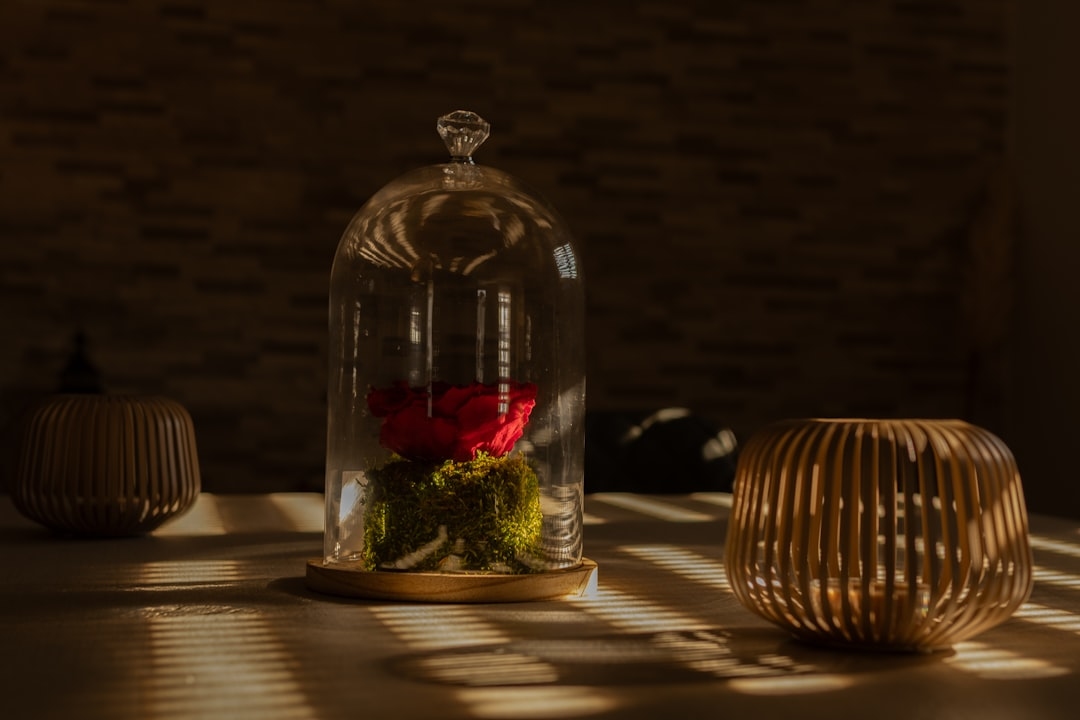
Preserved rose dome brands compared
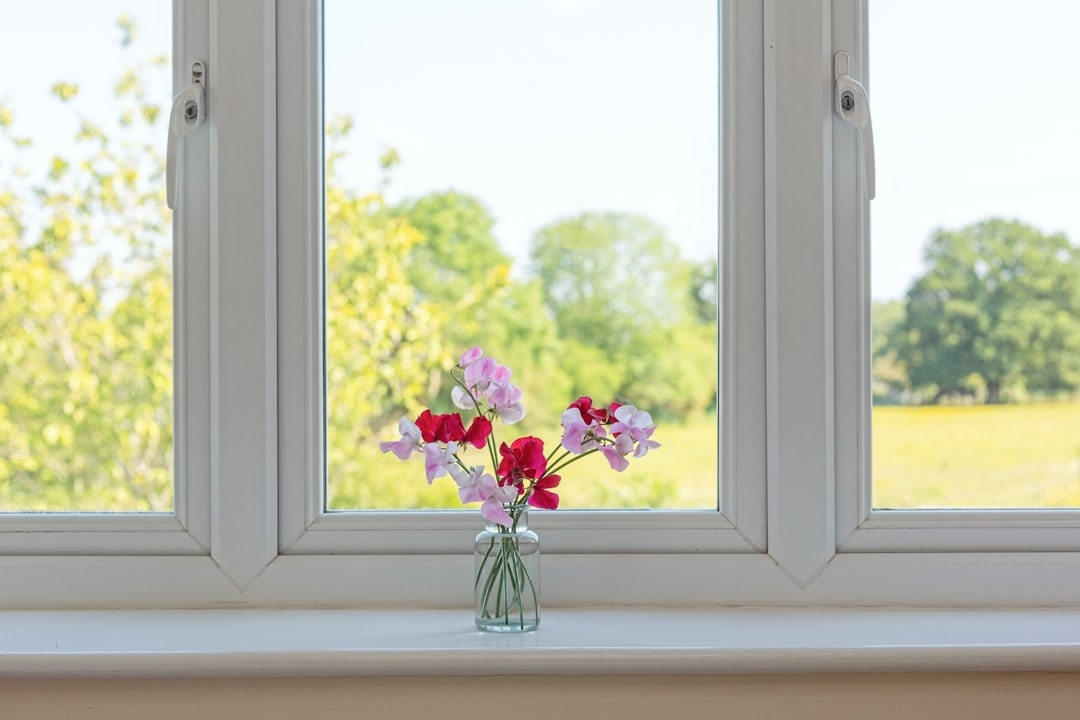
Field to Vase Dinner Tour explained