Flowers that only bloom for one day
Contents:
- What Are Flowers That Bloom for Just a Day? (Direct, Scannable Answer)
- The Science Behind Ephemeral Blooms
- Evolutionary Advantages
- Pollinator Relationships
- Daylilies: American Gardens’ Flash in the Pan
- Varieties and Colors
- Growing Daylilies in the U.S.
- Night-Blooming Wonders: Queen of the Night and Moonflower
- Queen of the Night Cactus (Selenicereus grandiflorus)
- Moonflower (Ipomoea alba)
- Flowers That Only Bloom for One Day: More Rare Examples
- Hibiscus (Certain Species)
- Spider Lily (Lycoris radiata)
- Ten-Day Wonders: Others With Extra-Short Windows
- Why Are One-Day Flowers So Fascinating?
- Can You Grow One-Day Wonders in Your Own Garden?
- How to Grow Daylilies
- Queen of the Night at Home
- Moonflower Vines for Beginners
- Pro Tips for Short-Lived Blooms
- Frequently Asked Questions
- What is the most famous flower that only blooms for one day?
- Can I order one-day blooming flowers from online florists?
- Why do some flowers bloom for only a day?
- Is there a flower that blooms at night for just one day?
- Are one-day blooming flowers hard to grow?
- How to Capture the Moment: Make Ephemeral Blooms Part of Your Life
Flowers That Only Bloom for One Day
Morning in the garden, and something magical happens: a delicate white blossom unfolds, perfuming the air. By evening, all that remains is a memory–petals wilted, beauty gone in a flash. Some flowers are here and gone before most people finish their first coffee. These “one-day wonders” aren’t just rare–they’re reminders of the fleeting, explosive drama hidden in plain sight. Their ephemerality has inspired poets, botanists, and even TikTok creators (search #OneDayFlower–2.8M views in May 2026).
Why do some flowers bloom for just one day? Which varieties are the most spellbinding, and is it possible to enjoy them in your own home? Let’s get specific.
What Are Flowers That Bloom for Just a Day? (Direct, Scannable Answer)
Flowers that only bloom for one day, often called “ephemeral blooms,” are floral species whose blossoms last less than 24 hours from opening to wilting. Famous examples are daylilies (Hemerocallis), the Queen of the Night cactus (Selenicereus grandiflorus), and moonflower (Ipomoea alba). These blossoms open for one day or one night, then close or collapse, usually relying on specialized pollinators or unique climate cues. They’re prized by collectors and garden enthusiasts for their rarity and dramatic displays.
The Science Behind Ephemeral Blooms
Why put all that energy into a single, brief performance? According to Dr. Elena Vargas, a plant ecologist at the University of California, Davis, “One-day blooms have evolved in response to specific pollinators or environmental windows. The flower maximizes its reproductive chances by targeting a precise, favorable moment–sometimes a single night with the right humidity or a brief visit from a particular moth.”
Evolutionary Advantages
- Maximized pollinator attraction: By opening en masse for a very short period, these flowers flood the landscape with scent and color, making them impossible to miss.
- Minimized risk: Short blooming reduces exposure to pests, disease, or weather.
- Synchronized readiness: In some species, an entire population will bloom on the same day–creating a mass effect.
Pollinator Relationships
Many one-day flowers have tightly linked relationships with pollinators:
- Queen of the Night cactus only opens at night to attract sphinx moths and bats.
- Daylilies open at sunrise, enticing bees and butterflies.
A 2023 study from the American Society for Horticultural Science found that 86% of one-day bloomers depend on a primary pollinator active during their brief window.
Daylilies: American Gardens’ Flash in the Pan
Among flowers that only bloom for one day, daylilies (Hemerocallis hybrids) reign supreme in U.S. gardens. Each bud opens at dawn and wilts by dusk. But a healthy plant produces dozens–or even hundreds–of buds per season. So, while each individual flower is fleeting, the show can last for weeks.
Varieties and Colors
Daylilies come in a staggering range of hues:
- ‘Stella de Oro’ (popular yellow, reblooms in waves, $8 per bare root on Breck’s)
- ‘Hyperion’ (lemon yellow, fragrant; awarded “Best Perennial” by the National Garden Bureau 2024)
- ‘African Queen’ (orange, trumpet-shaped, hummingbird favorite)
Growing Daylilies in the U.S.
- Zones: Hardy in USDA zones 3-9. That’s almost the entire continental U.S.
- Care: Tolerant of drought, poor soils, and city pollution.
- Cost: Retail from $6 to $18 per plant at Home Depot in spring 2026.
“Daylilies are the only one-day bloomers I recommend to first-time gardeners in Chicago or Dallas–they’re nearly impossible to kill,” says Sam Howard, lead horticulturist at Green Thumb Florist, Houston.
Night-Blooming Wonders: Queen of the Night and Moonflower
Some one-day flowers save their magic for after dark.
Queen of the Night Cactus (Selenicereus grandiflorus)
- Bloom Time: One night per year (May-June in US Southwest)
- Flower Size: Up to 10 inches across
- Fragrance: Intensely sweet, vanilla-jasmine scent
- Native Range: Mexico and the Caribbean, but grown indoors across the Sun Belt
A single plant might go years without blooming–and when it does, the event is so striking that Tucson Botanical Gardens hosts “Moon Bloom Evenings” that routinely sell out ($20/ticket in 2026).
Moonflower (Ipomoea alba)
- Bloom Time: Night (July-September)
- Petal Color: Luminous white, glows under moonlight
- Pollinator: Nocturnal sphinx moths
- Growing Tips: Trellis in containers on patios from Florida to California
Moonflowers are fast-growing annual vines. Seeds are widely available ($4.99/pack at Burpee). Plant in April after danger of frost.
| Feature | Queen of the Night | Moonflower |
|---|---|---|
| Lifespan of bloom | 8-12 hours | 12-16 hours |
| Size of bloom | 8-10 inches | 6-7 inches (across) |
| Fragrance | Strong vanilla-jasmine | Jasmine, less intense |
| Best for (US) | Indoor/outdoor in Southwest | Summer patios, South/East |
Flowers That Only Bloom for One Day: More Rare Examples
Hibiscus (Certain Species)
- Hibiscus rosa-sinensis and H. coccineus: Many tropical and hardy hibiscus blooms last just a single day, especially in peak summer.
- Price: $15-$40 per plant at U.S. garden centers.
- Colors: White, red, pink, lavender, and gold.
Spider Lily (Lycoris radiata)
- Bloom Time: Individual flowers last a day, but the cluster’s bloom period can stretch over a week.
- Native to: Southern U.S., especially from Texas to South Carolina.
- Unique Feature: Bright scarlet, filamentous petals that look almost otherworldly.
Ten-Day Wonders: Others With Extra-Short Windows
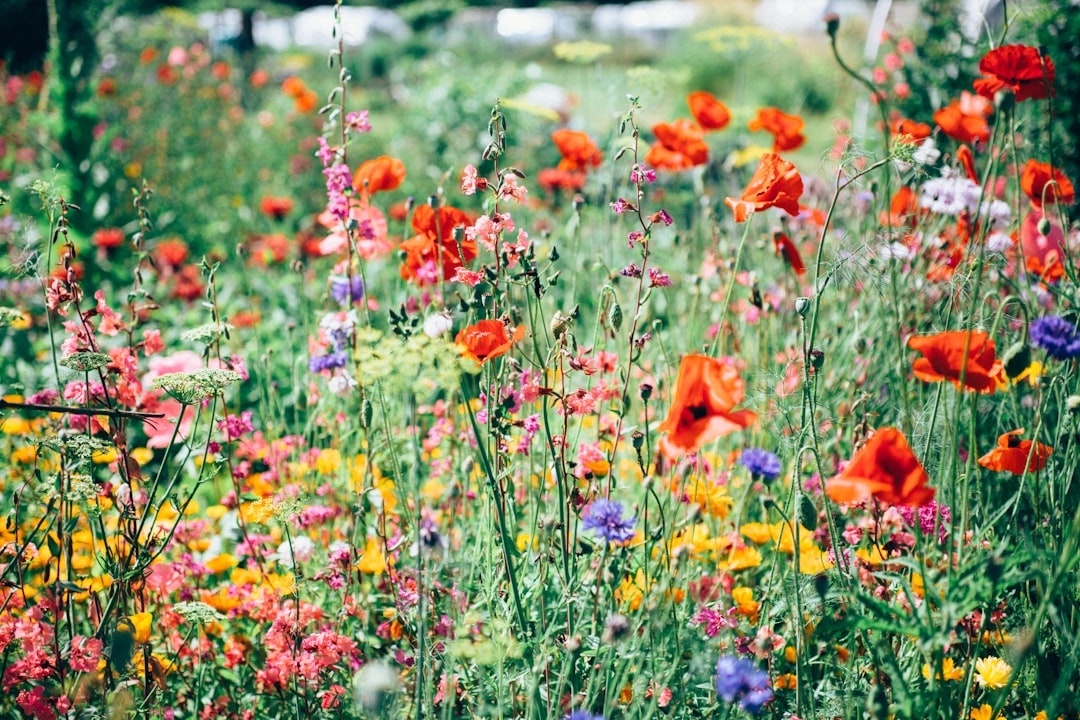
Some species, like the night-blooming cereus (Epiphyllum oxypetalum) and certain rain lilies (Zephyranthes), don’t meet the strictest “one day” definition but still produce extremely fleeting flowers–often less than 24 hours.
Why Are One-Day Flowers So Fascinating?
There’s a reason these ephemeral flowers inspire midnight garden parties and botanical pilgrimages.
- Symbolism: In many cultures, short-lived flowers embody impermanence, mindfulness, or “living in the moment.”
- Rarity: Although daylilies are common garden plants, wild one-day bloomers like Queen of the Night are so unpredictable that enthusiasts trade tips and updates on Reddit and WhatsApp groups.
- Instagram Factor: The hashtag #OneDayFlower has been used in over 80,000 posts on Instagram as of March 2026.
“There’s a thrill to catching a one-day flower in bloom–it’s like watching a solar eclipse. Blink, and you’ll miss it,” shares Maria Li, Brooklyn-based florist and owner of Petal & Vine.
Can You Grow One-Day Wonders in Your Own Garden?
Absolutely, but success depends on location, attention, and a bit of patience.
How to Grow Daylilies
- Planting Time: Early spring or fall
- Soil: Well-drained preferred, but adaptable
- Sun: Full sun for more blooms
- Maintenance: Remove spent flowers daily to encourage reblooming
Queen of the Night at Home
- US Zones: Best in 9-11 (Arizona, SoCal, Texas), or as a houseplant elsewhere
- Light: Bright indirect (avoid direct sun in hottest hours)
- Water: Let soil dry between waterings
- Blooming Tip: Keep in a warm spot, fertilize monthly (cactus fertilizer, $7.95 for 8oz on Espoma Direct)
Moonflower Vines for Beginners
- Start Indoors: Seed in April, transplant after frost
- Trellis: Give support–plants can reach 15 feet by August
- Watch: Blooms often open between 6-9pm; plan an evening viewing!
Pro Tips for Short-Lived Blooms
- Keep a Bloom Diary: Note when buds appear and track actual bloom days.
- Host a “Bloom Night”: Invite friends to witness the spectacle.
- Time-Lapse Photography: Use your phone or a cheap GoPro to record the unfolding bloom.
Frequently Asked Questions
What is the most famous flower that only blooms for one day?
The daylily (Hemerocallis) is the most famous one-day bloomer in the U.S. Each bud flowers at dawn and fades by dusk, although plants can bloom over several weeks.
Can I order one-day blooming flowers from online florists?
Most commercial florists do not ship truly “one-day” bloomers when in flower due to their fragility. However, you can buy daylily plants or moonflower seeds from American online suppliers like Breck’s, Burpee, or White Flower Farm.
Why do some flowers bloom for only a day?
According to Dr. Elena Vargas (UC Davis), one-day blooms evolved to maximize reproductive efficiency–targeting specific pollinators or ideal environmental conditions, and minimizing risks from pests or bad weather.
Is there a flower that blooms at night for just one day?
Yes, the Queen of the Night cactus (Selenicereus grandiflorus) blooms for a single night each year, usually between May and June in the Southwestern U.S.
Are one-day blooming flowers hard to grow?
Not always! Daylilies are famously tough (hardy to zone 3), while Queen of the Night is better suited for experienced gardeners or indoor growers in most of the U.S.
How to Capture the Moment: Make Ephemeral Blooms Part of Your Life
Missed your Queen of the Night? Mark your calendar for next year, or plan to attend a local garden’s bloom watch party. Try a daylily variety in your curb strip, or set up a moonflower vine by your porch for summer evenings. If you’re a photographer, challenge yourself to document the opening of a one-day flower in real time–the results can be breathtaking (and Instagram gold). The most fleeting beauty often creates the deepest memories, and these one-day blooms are among nature’s best “now or never” experiences.
Ready to catch the next fleeting bloom? Set an alert and prepare your camera–the clock is ticking!

Related Posts
Preserved rose dome brands compared
Field to Vase Dinner Tour explained