7 facts you didn’t know about gerbera daisies
Contents:
- What are Gerbera Daisies? [Featured Snippet]
- Gerbera Daisies Are Named After a Real Scientist
- Color Isn’t Just for Looks–It’s Science
- How Gerbera Colors Influence Mood
- The Science: Anthocyanins and Carotenoids
- They’re One of the Longest-Lasting Cut Flowers for Home Use
- Pro Tip from the Pros
- They’re Natural Air Purifiers
- Not Just Pretty–They Have Symbolic Power
- Regional Meanings
- They’re Grown Both Locally and Internationally–And Here’s Why It Matters
- Gerbera Daisies Have Hidden Uses Beyond Arrangements
- Edibility and Safe Use
- DIY Skincare and Crafts
- FAQ: Gerbera Daisy Questions, Answered
- How do you keep gerbera daisies fresh in a vase?
- Are gerbera daisies toxic to pets?
- What causes gerbera daisy stems to droop?
- When are gerbera daisies in season in the US?
- Can you grow gerbera daisies indoors in the US?
- Ready for Gerberas? Here’s Your Next Step
7 Facts You Didn’t Know About Gerbera Daisies
Walk into any neighborhood grocery store floral section in June, and chances are you’ll spot a vase bursting with brightly colored, cheerful gerbera daisies. Their joyful faces seem made for summer celebrations, but there’s far more going on beneath those bold petals than meets the eye. Did you know these blooms are actually among the top five most popular cut flowers in the United States? Still, most people know surprisingly little about their quirks, origins, and hidden potential. Let’s get into the seven surprising things you probably never learned about gerbera daisies–even if you’ve picked up a bouquet or two.
What are Gerbera Daisies? [Featured Snippet]
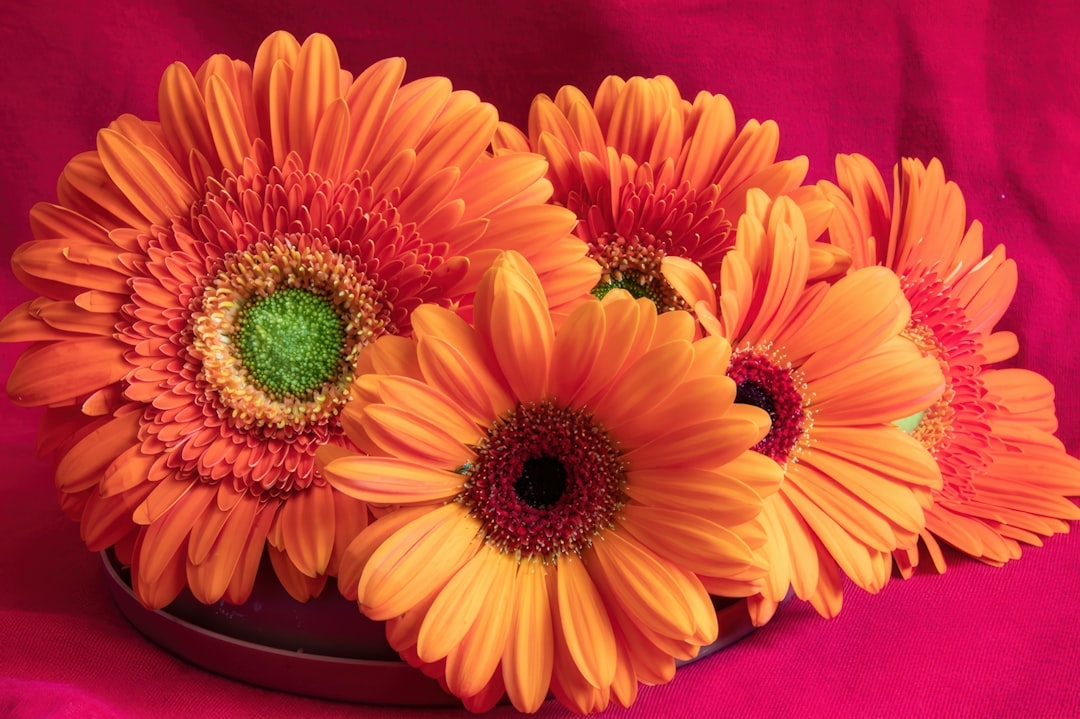
Gerbera daisies, also known as Gerbera jamesonii, are perennial flowering plants native to South Africa. Valued for their large, vividly colored blooms ranging from deep reds to vibrant pinks and sunny yellows, they are widely cultivated around the world and especially popular in American floral arrangements. Available year-round at most US florists and grocery stores, gerberas are prized for their long vase life–typically lasting 7 to 14 days with proper care–and their ability to brighten up any bouquet with a bold, daisy-like appearance.
1. Gerbera Daisies Are Named After a Real Scientist
Gerbera daisies get their name from Traugott Gerber, a German botanist and medical doctor. But here’s the twist: Dr. Gerber never actually discovered or worked with the flower. In 1737, famed botanist Jan Frederik Gronovius named the genus in honor of his friend. The actual plant didn’t make its way into Europe until the late 19th century, when Robert Jameson found it in South Africa, leading to the common nickname “Transvaal daisy” or “Barberton daisy.”
“The naming history behind gerberas is one of the most unusual in floriculture–few people realize these bright blooms are the result of both scientific friendships and global exploration,” explains Ellen Price, AIFD-certified florist at BloomLab in Chicago.
2. Color Isn’t Just for Looks–It’s Science
How Gerbera Colors Influence Mood
Gerbera daisies are available in over 30 color variations, from lipstick red and canary yellow to delicate peach and white. According to a 2026 market report from the American Society of Florists, red and orange gerberas outsell other varieties in the US by roughly 40%, thanks in part to their association with energy and positivity.
Color psychology researchers at Rutgers University found that people exposed to orange gerberas for just 10 minutes reported a 23% spike in self-described happiness compared to those given neutral white blooms. Many US florists–including ProFlowers and 1-800-Flowers–market gerbera bouquets as “Mood Boosters” for this very reason.
The Science: Anthocyanins and Carotenoids
Their dazzling palette is thanks to naturally occurring pigments called anthocyanins (which give reds, purples, and pinks) and carotenoids (responsible for oranges and yellows). By crossbreeding and genetic selection, growers have created even more saturated, unique colors–like lime green, which isn’t found in wild gerberas.
3. They’re One of the Longest-Lasting Cut Flowers for Home Use
A major reason US consumers love gerberas is their reputation for longevity. With proper care, gerbera daisies can last up to two weeks in a vase–outperforming peonies (5-7 days), tulips (4-8 days), and daffodils (6 days).
Comparison Table: Average Vase Life of Popular Cut Flowers
| Flower | Average Vase Life (Days) | Special Care Needed? |
|---|---|---|
| Gerbera Daisy | 7-14 | Keep stems upright and cool |
| Peony | 5-7 | Cut buds only |
| Tulip | 4-8 | Fresh water daily |
| Rose | 7-10 | Remove lower leaves |
| Lily | 8-12 | Remove pollen |
Pro Tip from the Pros
“Gerbera stems are hollow and can be prone to drooping,” notes Daniel Kim, lead floral designer at PetalPushers SF. “To keep them upright, poke a thin floral wire up the stem, and always trim under running water. Change the vase water daily for best results.”
4. They’re Natural Air Purifiers
Gerbera daisies don’t just look good–they literally help you breathe easier. A NASA Clean Air Study famously identified gerberas as one of the top houseplants for removing toxins like benzene and formaldehyde from indoor air. Placing a pot of gerberas in your office or bedroom can actually help reduce airborne pollutants, especially in newer, tightly insulated homes common in American suburbs.
Short List: Toxins Gerberas Help Remove
- Benzene (from plastics, detergents)
- Formaldehyde (from cleaning agents, building materials)
- Trichloroethylene (from solvents and adhesives)
Florists at The Sill in New York recommend using one medium-sized pot for every 100 square feet for noticeable benefits.
5. Not Just Pretty–They Have Symbolic Power
In the language of flowers, known as floriography, gerbera daisies represent innocence, purity, and cheerfulness. In the US, they’re one of the most requested “just because” blooms according to data from Teleflora, ranking just behind roses and lilies in non-holiday gift arrangements for 2026.
Regional Meanings
- Yellow gerberas: Friendship and celebration (popular in graduation bouquets)
- Pink gerberas: Admiration and gratitude (often sent to mothers and mentors)
- Red gerberas: Unspoken love and desire (a more playful alternative to roses)
Many therapists and wellness coaches now recommend clients keep fresh flowers like gerbera daisies in view to promote a positive mental state. A 2023 Harvard Health study found that office workers with daily exposure to fresh daisies reported 15% less stress compared to those without.
6. They’re Grown Both Locally and Internationally–And Here’s Why It Matters
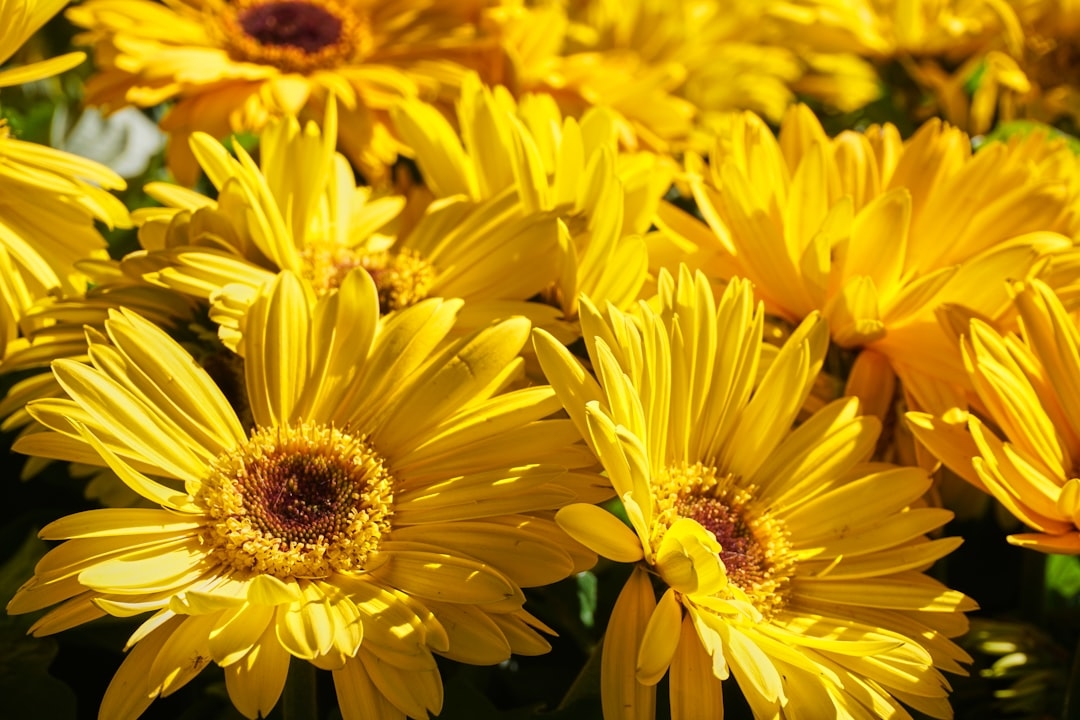
While the US imports huge numbers of gerbera daisies from Colombian and Dutch growers, there’s a strong trend toward supporting American-grown flowers. California and Florida are the top US producers, with year-round greenhouse production keeping stems fresh and affordable–averaging $1.50-$2.50 per stem in most regions.
Imported vs. Domestic Gerberas
| Factor | Imported (Colombia/Netherlands) | Grown in US (California/Florida) |
|---|---|---|
| Average price | $1.25-$1.75/stem | $1.50-$2.50/stem |
| Carbon footprint | Higher (transport, packaging) | Lower (shorter transit) |
| Bloom diversity | Broader selection | Focus on popular colors |
| Shelf life | Slightly shorter (travel time) | Fresher, lasts longer |
Supporting local florists or buying “California Grown” guarantees fresher flowers with a smaller ecological footprint. During US “Farmers Market Season” (April-September), locally grown gerberas are widely available and often even more brightly colored, since they travel shorter distances.
7. Gerbera Daisies Have Hidden Uses Beyond Arrangements
Edibility and Safe Use
While not widely known in most American homes, gerbera petals are edible in small quantities–though they’re mostly used as colorful dessert toppings rather than for flavor. “They offer a subtle, slightly bitter taste akin to chicory,” says Lisa Hammond, executive chef at Eat Flourish, a farm-to-table restaurant in Seattle. Petals are tested for pesticides before use, so always source from organic growers if adding to salads or cakes.
DIY Skincare and Crafts
Gerbera daisies’ pigments and mild astringent properties have earned them a cult following among DIY skincare fans. For example, dried petals are used in homemade facial steams and bath bombs for their soothing scent and color (but they should not replace tested, regulated products for those with sensitive skin).
Pull-Quote:
“Gerberas bring joy to the plate and the bathroom counter–they’re truly a multi-purpose bloom for the modern home.”
FAQ: Gerbera Daisy Questions, Answered
How do you keep gerbera daisies fresh in a vase?
To keep gerbera daisies fresh, trim the stems diagonally under running water, remove any leaves below the water line, and change the vase water every 24 hours. Use floral preservative to minimize bacteria, and keep the arrangement away from direct sunlight and drafts.
Are gerbera daisies toxic to pets?
Gerbera daisies are non-toxic to dogs and cats according to the ASPCA. While generally safe, it’s still wise to keep arrangements out of reach to avoid upset stomach if pets nibble on the petals or stems.
What causes gerbera daisy stems to droop?
Stems often droop due to air bubbles blocking water uptake, or bacteria clogging the hollow stem. Use a clean, sharp knife for cutting, and insert a thin floral wire into the stem for support if drooping persists.
When are gerbera daisies in season in the US?
California and Florida farmers harvest gerbera daisies year-round in greenhouses, though the widest selection of colors appears in local markets from April through September during “peak” season.
Can you grow gerbera daisies indoors in the US?
Absolutely! Use a bright, sunny windowsill and well-draining potting soil. Gerberas thrive at 65-75°F and need consistent moisture–drying out too much is the most common reason for failure indoors.
Ready for Gerberas? Here’s Your Next Step
Consider picking up a bunch of US-grown gerbera daisies this weekend–whether it’s for your kitchen table, a friend’s birthday, or just to keep near your laptop while you work from home. Try mixing unexpected colors for a custom mood boost, or order from an American florist that offers local delivery. Every stem brightens your day, gives back to US growers, and brings a pop of optimism into any space. And now you know: behind every cheerful gerbera, there’s a world of fascinating science, history, and hidden uses just waiting to be discovered.

Related Posts
Preserved rose dome brands compared
Field to Vase Dinner Tour explained