Cultural Anniversary Flowers from Around the World and Their Unique Meanings
Contents:
- Why Floral Symbolism Differs So Dramatically Across Cultures
- Western Traditions: More Variation Than You Think
- The United States and the Anniversary Flower List
- British and Irish Traditions
- French Floral Sensibility
- East Asian Floral Traditions: Depth You Won’t Find in a Card Shop
- Japan: Hanakotoba and the Cherry Blossom’s Paradox
- China: The Lucky Eight and Peony Supremacy
- Korea: Elegance, Restraint, and the Meaning of Azaleas
- South Asian Traditions: Flowers as Sacred Language
- India: Marigolds, Jasmine, and the Language of Garlands
- Sri Lanka, Bangladesh, and the Broader Region
- Latin American Traditions: Color, Passion, and Pre-Columbian Roots
- Mexico: Dahlias, Cempasúchil, and the Aztec Legacy
- Brazil and the Tropical Palette
- Colombia: The Flower Capital of the Americas
- Middle Eastern and African Traditions
- The Arab World: Rose Water, Jasmine, and Sacred Fragrance
- Sub-Saharan Africa: Regional Diversity and Protea’s Rise
- Practical Tips: Using Cultural Flower Knowledge to Give Better Gifts
- Know the Recipient’s Background — But Don’t Overcomplicate It
- Check Color Symbolism Before You Order
- Fragrance Is a Cultural Carrier
- Number and Arrangement Matter
- Work with a Florist Who Understands This Territory
- Real Examples: Anniversary Flowers That Hit Different
- Example 1: A 25th Anniversary for a Japanese-American Couple
- Example 2: A 10th Anniversary for a Couple with Indian Heritage
- Example 3: A 1st Anniversary for a Mexican-American Couple
- Example 4: A 50th Anniversary for a Chinese-American Family
- Frequently Asked Questions
- What is the most universally appropriate anniversary flower across cultures?
- Are there flowers I should absolutely avoid for anniversaries in certain cultures?
- How do I find out what flowers matter to my partner’s cultural background without making it awkward?
- Do cultural flower meanings matter if we’re not from that culture?
- Where can I find culturally specific anniversary bouquets in Southern California?
- Conclusion: The World’s Most Beautiful Conversation
Picture this: you’ve just booked a table at the nicest restaurant in town, you’ve picked out the perfect gift, and you’re standing in front of the flower display at your local florist wondering which arrangement won’t look like a last-minute afterthought. Red roses feel automatic. Mixed bouquets feel generic. And somewhere in the back of your mind, you sense there’s a deeper language here — a vocabulary of flowers that people in other parts of the world have been speaking fluently for centuries — that you just haven’t learned yet.
That feeling is exactly right. Across cultures, across continents, across thousands of years of ceremony and ritual, flowers have carried meanings so specific and so layered that a single stem could communicate what no greeting card could ever fully express. The Japanese have been practicing hanakotoba — the art of flower language — since the Edo period. Victorians encoded entire love letters in floral arrangements. Indian weddings use marigolds not just for decoration but as direct invocations of divine blessing. And in Mexico, the anniversary flower conversation looks nothing like it does in Denmark or South Korea.
If you’ve ever wanted to give a gift that genuinely means something — something that reflects a real understanding of the person, the occasion, and the world’s rich tapestry of floral tradition — this guide is where that journey starts.
The most culturally significant anniversary flowers vary dramatically by region. Western traditions favor roses and lilies, Japan leans toward chrysanthemums and cherry blossoms, India celebrates with marigolds and tuberose, and Mexico honors the dead with cempasúchil (marigolds) while using dahlias for living celebrations. Understanding these differences lets you choose a bouquet of flowers for anniversary that carries genuine cultural resonance — not just color.
Why Floral Symbolism Differs So Dramatically Across Cultures
Before diving into the specific traditions, it’s worth pausing on a question that surprises a lot of people: why are anniversary flowers so different around the world? After all, a rose is a rose. Why does it mean passionate love in the United States but signal mourning in some Eastern European countries? Why does a white chrysanthemum express grief in China while in the Netherlands it’s a cheerful, everyday flower?
The answer lies in the intersection of climate, mythology, religion, and history. Flowers that grew abundantly in one region became deeply embedded in local ritual and belief. The lotus, for instance, thrived in the waterways of ancient Egypt and India, becoming sacred to both cultures — but for entirely different theological reasons. The dahlia, native to Mexico and Central America, was cultivated by the Aztecs not just as an ornament but as a food crop and symbol of cultural identity; that origin story gives it a depth that a dahlia imported to a Victorian garden simply didn’t carry.
Trade routes complicated things further. When flowers traveled, they didn’t always bring their original symbolism with them. Sometimes they arrived and were assigned new meanings based on local myth or royal preference. The tulip, originally from Central Asia, became so synonymous with Dutch national identity that the Netherlands’ relationship with the flower is almost inseparable from the country’s sense of self — even though the tulip is not native to Holland at all.
Then there’s the influence of religion. Islamic floral tradition, Buddhist iconography, Hindu puja practice, Catholic feast-day customs — each shaped which flowers became associated with reverence, celebration, or mourning. A flower that appeared in a temple offering became elevated. One that showed up at funerals became linked with death in the popular imagination. These associations hardened over generations into cultural shorthand that persists even today, even when most people have forgotten the original reason.
Understanding this doesn’t just make you a more interesting gift-giver. It makes you a more culturally aware human being — which, in 2026, when we’re more connected to global communities than ever before, feels genuinely important.
Western Traditions: More Variation Than You Think
Let’s start with familiar territory, because even within “Western” culture, the anniversary flower landscape is more varied than most Americans realize.
The United States and the Anniversary Flower List
The U.S. has a well-established tradition of assigning specific flowers to specific anniversary years — a list that evolved from Victorian and Edwardian etiquette guides and was later refined by the Society of American Florists in the mid-20th century. Most people know the big ones: red roses for a first anniversary, carnations for the first year in some traditions, daisies for the fifth. But the list extends all the way to the 50th anniversary (violets) and beyond.
What’s interesting is that this list was never universally standardized. Different sources give different flowers for the same year. The 10th anniversary, for instance, is assigned daffodils in some traditions and dahlias in others. The 25th is silver (not a flower at all, technically), but florists typically interpret it as iris or white roses. This flexibility is actually a feature, not a bug — it means you have room to make the choice personal rather than mechanical.
The most consistently significant American anniversary flower remains the red rose. Its dominance is so complete that even people who don’t know any other flower symbolism know that red roses mean love. But here’s what the pros know that casual buyers often miss:
The number of roses in an anniversary bouquet carries as much meaning as the flower itself in several traditions. In American and Western European custom, the number of roses often corresponds to the number of years being celebrated — 25 roses for a silver anniversary, 50 for gold. A single rose, meanwhile, signals “you are the one and only.” Florists at studios like thescarletflower.com can build anniversary arrangements around a meaningful rose count while weaving in complementary blooms that add depth, texture, and cultural resonance.
British and Irish Traditions
British floral tradition draws heavily from the Victorian language of flowers, or floriography, a practice that reached its zenith in the 1840s and 1850s when coded bouquets called “tussie-mussies” were used to send secret romantic messages. The Victorians had a flower for everything. Myrtle meant love and marriage — and it’s still incorporated into British royal wedding bouquets to this day, a tradition that goes back to Queen Victoria herself. Ivy signified fidelity. Orange blossom symbolized purity and the transition to marriage.
For anniversaries specifically, British tradition tends to echo the American flower list but with a stronger emphasis on garden flowers over hothoused blooms. Sweet peas, lavender, and garden roses hold a prestige in British floral culture that their more exotic competitors rarely match. A proper English anniversary bouquet often looks deliberately gathered rather than arranged — loose, abundant, slightly wild at the edges.
French Floral Sensibility
French florists operate with a different aesthetic and a different symbolic vocabulary. The French have a long history of associating specific flowers with specific emotions, but they tend to prioritize form and structure over symbolic messaging. A French anniversary arrangement is as much about how it looks as what it means.
That said, certain flowers carry specific weight in French culture. The lily of the valley (muguet) is so powerfully associated with love and luck that on May 1st — a national holiday called Fête du Muguet — French people give sprigs to loved ones as tokens of affection. Incorporating lily of the valley into an anniversary bouquet for someone with French roots would be a genuinely meaningful gesture. The peony, meanwhile, is the quintessential French anniversary flower — voluptuous, fragrant, abundant, associated with romance and prosperity.
East Asian Floral Traditions: Depth You Won’t Find in a Card Shop
If Western floral symbolism sometimes feels like convention dressed up as meaning, East Asian traditions offer something far more philosophically rooted. Flowers here are embedded in poetic, artistic, and spiritual practice in ways that go back millennia.
Japan: Hanakotoba and the Cherry Blossom’s Paradox
Japanese flower language, hanakotoba, assigns precise meanings to specific flowers and colors. Red roses mean love (a Western influence that Japan absorbed during the Meiji period). White chrysanthemums are exclusively for funerals — giving them for an anniversary would be a serious social error. Yellow chrysanthemums, however, are offered at the imperial court as tokens of respect and longevity. The distinction matters enormously.
For anniversaries, Japanese tradition favors flowers that carry the concept of en — connection, fate, the invisible thread that binds people together. Peonies (botan) represent good fortune and a happy marriage. Red spider lilies (higanbana), while hauntingly beautiful, are funeral flowers and should never appear in a romantic gift. White plum blossoms signify perseverance and hope — particularly appropriate for milestone anniversaries where a couple has weathered difficulty together.
And then there’s the cherry blossom (sakura). Its meaning in Japanese culture is one of the most philosophically complex in the entire global floral vocabulary. Cherry blossoms symbolize the beauty of transience — the Japanese concept of mono no aware, the bittersweet awareness that beautiful things don’t last. For an anniversary, this is actually profound: it acknowledges that the beauty of a relationship is heightened, not diminished, by its finite nature. But it should be offered alongside flowers with more straightforwardly celebratory meanings, because given alone, sakura can read as melancholy.
China: The Lucky Eight and Peony Supremacy
Chinese floral tradition is deeply tied to concepts of luck, prosperity, and longevity. The peony (mudan) is China’s national flower and the undisputed queen of anniversary blooms — it represents wealth, good fortune, and a harmonious marriage. An anniversary arrangement built around deep pink or red peonies is essentially a wish for the couple’s continued prosperity.
Lotus flowers carry sacred Buddhist symbolism: purity, enlightenment, the ability to rise untouched from muddy water. For longer anniversaries — 20th, 25th, and beyond — lotus arrangements convey a sense of spiritual depth and maturity in love. Orchids signify refinement, beauty, and fertility. They’re a popular anniversary choice in Chinese-influenced cultures across Southeast Asia as well.
A word of caution for anyone selecting flowers for a Chinese anniversary celebration: white flowers are associated with funerals and mourning. An all-white bouquet, however elegant it may appear in Western contexts, would be deeply inappropriate. Stick to reds, pinks, deep purples, and warm yellows. The number of flowers also matters — four is unlucky (the word sounds like “death” in Mandarin), while eight is extremely lucky.
Korea: Elegance, Restraint, and the Meaning of Azaleas
Korean floral tradition sits at an interesting intersection of Chinese, Japanese, and indigenous influences. The azalea holds a special place in Korean culture — it’s the flower most associated with longing and enduring love, partly because of the famous 1922 poem “Azalea” by Kim Sowol, which uses the flower as a metaphor for the quiet, steadfast love that endures even separation. An azalea bouquet for a Korean anniversary carries layers of literary and emotional resonance that no other flower can replicate.
Mugunghwa, the national flower of Korea (a species of hibiscus), symbolizes perseverance and the enduring nature of the Korean spirit. For significant national milestone anniversaries — say, a company anniversary or a community organization’s founding — it appears with patriotic overtones. For personal anniversaries, it’s less common but carries connotations of steadfastness.
South Asian Traditions: Flowers as Sacred Language
In South Asia, flowers are not merely decorative. They are ritual objects, offerings to deities, and direct expressions of spiritual intent. Their role in anniversaries — whether personal or religious — carries this sacred weight.
India: Marigolds, Jasmine, and the Language of Garlands
Walk into any Indian celebration and you will be surrounded by marigolds. The genda phool (Indian marigold, Tagetes erecta) is the great constant of Indian ceremonial life. Its deep orange and yellow tones are associated with the sun, auspiciousness, and divine blessing. Marigold garlands are draped at temples, hung above doorways, and offered to honored guests. For wedding anniversaries, particularly those celebrating long marriages, marigolds appear in elaborate garlands that symbolize the unbroken continuity of devotion.
Jasmine (chameli or mogra) carries an entirely different register: it is intimate, sensual, and associated with femininity. In many parts of India, women wear jasmine strings in their hair for celebrations, and the flower’s intoxicating fragrance is deliberately linked to the experience of joy. Including jasmine in an anniversary arrangement for someone with Indian heritage is a choice that will land on a deeply emotional level — its scent alone carries enormous associative power.
Tuberose (rajnigandha) — literally “queen of the night” — is one of the most romantic flowers in the Indian repertoire. Its heady fragrance intensifies at night, making it a natural choice for anniversary evenings. Lotus, as in China, carries sacred connotations and is used for anniversary pujas (devotional prayers) when the occasion has spiritual significance for the family.
Sri Lanka, Bangladesh, and the Broader Region
Across the region, you’ll find local variations that reflect indigenous botanical traditions. In Sri Lanka, blue lotus (nil manel) is the national flower and carries connotations of deep, pure emotion. In Bangladesh, the white water lily is the national flower, associated with purity and the renewal that comes with love that has stood the test of time. These regional flowers make extraordinarily meaningful anniversary gifts when you know the recipient’s specific cultural roots — a generic “Indian” bouquet might miss the mark for someone from Colombo or Dhaka.
Latin American Traditions: Color, Passion, and Pre-Columbian Roots
Latin American floral culture is one of the most vibrant in the world, and it carries layers that go all the way back to pre-Columbian civilizations.
Mexico: Dahlias, Cempasúchil, and the Aztec Legacy
The dahlia is Mexico’s national flower, and its cultivation history goes back to the Aztecs, who called it acocotli or cocoxochitl and grew it both as an ornamental plant and as a food source. Today the dahlia is used in Mexican anniversary celebrations with a sense of national pride that gives it extra weight. A bouquet of dahlias for a Mexican anniversary is not just beautiful — it’s a statement of cultural identity.
Cempasúchil — the Mexican marigold — is one of the most iconic flowers in the world, thanks to its central role in Día de los Muertos celebrations. But it’s worth understanding that cempasúchil’s meaning is not exclusively morbid. In Aztec tradition, the flower was associated with the sun and used in celebrations for the living as well as offerings for the dead. In modern Mexico, cempasúchil appears at festivals, on altars, and in anniversary celebrations that have a spiritual or family-memorial dimension — honoring a relationship that spans both the living and the remembered.
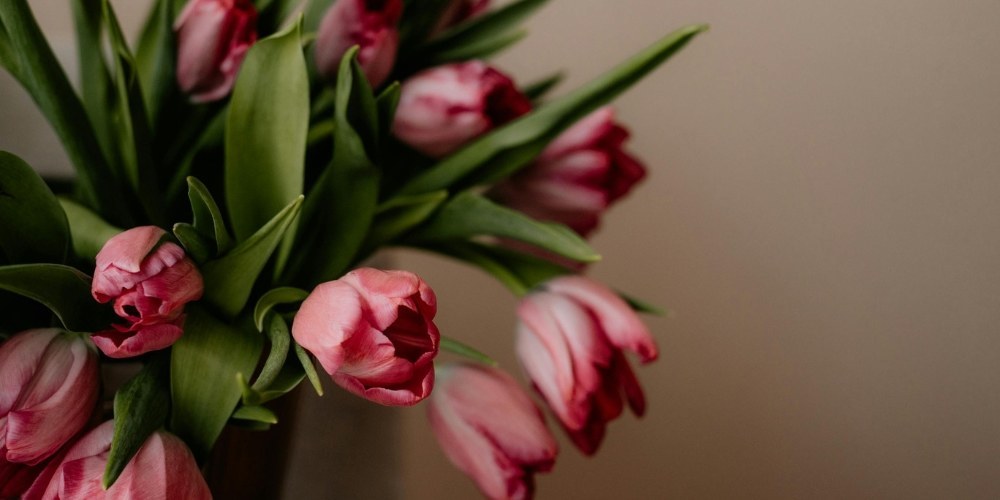
For romantic anniversary gifts in Mexico, roses remain popular (the Spanish colonial influence runs deep), but the most culturally resonant choice for a significant milestone would incorporate dahlias as a primary flower, with roses and tuberose as supporting players.
Brazil and the Tropical Palette
Brazilian floral tradition is shaped by an extraordinary native biodiversity and a cultural mixture of Indigenous, African, and Portuguese influences. Orchids — Brazil has more native orchid species than almost any other country — are the prestige anniversary flower. The Cattleya orchid is sometimes called the “queen of orchids” and is deeply embedded in Brazilian horticultural identity. Heliconia and bird of paradise, native to tropical South America, represent freedom, joy, and exuberant celebration.
In Afro-Brazilian spiritual traditions (Candomblé and Umbanda), specific flowers are associated with specific orixás (divine entities), and a knowledgeable florist can help select flowers that carry personal spiritual meaning for recipients who observe these traditions. Roses are associated with Oxum (the deity of love and rivers), making them an especially meaningful anniversary flower in this cultural context.
Colombia: The Flower Capital of the Americas
Colombia is the world’s second-largest flower exporter and takes its floral culture seriously. The Feria de las Flores in Medellín — held every August — is one of the largest flower festivals on earth. In Colombian anniversary culture, roses remain dominant (the country’s rose farms are among the best in the world), but local favorites include Alstroemeria (Peruvian lily, widely grown in Colombia and associated with friendship deepening into love) and wax flowers, which carry connotations of long-lasting beauty.
Middle Eastern and African Traditions
The Arab World: Rose Water, Jasmine, and Sacred Fragrance
In Arab and broader Middle Eastern culture, floral symbolism is deeply tied to fragrance. Rose water has been used in Arabic cuisine, perfumery, and ritual for over a thousand years, and the rose’s significance transcends mere aesthetics — it is bound up in the idea of the divine emanating beauty into the world. The Damascus rose (Rosa damascena), still grown in Syria and Turkey for its oil, is one of the most historically significant flowers on earth.
For anniversary gifts in Arab-influenced cultures, rose arrangements with heavy fragrance carry the most weight. Jasmine is a close second — it’s used in garlands at celebrations across the Levant and the Maghreb, and its appearance at an anniversary says something about the quality, not just the duration, of a relationship. White flowers are generally appropriate here (unlike in East Asia), with white roses and white jasmine being particularly valued for their associations with purity and elevated emotion.
Sub-Saharan Africa: Regional Diversity and Protea’s Rise
Sub-Saharan Africa’s floral traditions are extraordinarily diverse, reflecting the continent’s ecological and cultural richness. But one flower has emerged as a globally recognized symbol of the region: the protea. South Africa’s national flower, the King Protea (Protea cynaroides), is named after the Greek god Proteus, who could change his form — a metaphor for the protea’s diversity as a genus. In South African culture, the protea represents transformation, courage, and hope. For an anniversary, it signals admiration for a love that has evolved and grown more complex over time.
In East African cultures, particularly in Kenya and Tanzania (major flower-growing regions), roses and carnations are cultivated in enormous quantities, and their association with love has been shaped by both local tradition and global export culture. But indigenous flowers — including some of the world’s most dramatic tropical blooms — are increasingly being celebrated as anniversary flowers with authentic local roots.
Practical Tips: Using Cultural Flower Knowledge to Give Better Gifts
All of this cultural knowledge is only useful if you can translate it into actual, thoughtful decisions. Here’s how to do that.
Know the Recipient’s Background — But Don’t Overcomplicate It
The goal is resonance, not a cultural exam. If your partner has Mexican roots, adding dahlias to an anniversary arrangement is a gesture of awareness, not a claim to deep expertise. Ask questions. Use flowers as a conversation starter. “I wanted to include dahlias because I know they’re Mexico’s national flower — is that something meaningful to you?” opens a door. Most people are touched that someone bothered to find out.
Check Color Symbolism Before You Order
Color carries enormous cultural weight, and white flowers are the classic pitfall. In China, Japan, and Korea, white is the color of mourning. In many Western contexts, it’s purity and elegance. If you’re sending flowers to someone from an East Asian background, lean toward reds, pinks, and warm yellows for anniversary arrangements — and ask your florist to confirm before finalizing.
Fragrance Is a Cultural Carrier
In many cultures — South Asian, Arab, Latin American — fragrance is an integral part of the flower’s meaning. An odorless bloom might be visually beautiful but emotionally flat in these contexts. Ask specifically for fragrant varieties: jasmine, tuberose, gardenia, certain roses, or lily of the valley, depending on the cultural context you’re working with.
Number and Arrangement Matter
In Chinese tradition, even numbers (except four) are luckier than odd. In Russian tradition, even-numbered bouquets are for funerals — an odd number is required for living celebrations. Japanese ikebana tradition governs how flowers are arranged in space, not just which flowers appear. These details may seem minor, but getting them right elevates a gift from thoughtful to genuinely extraordinary.
Work with a Florist Who Understands This Territory
The best anniversary flower gifts are collaborative. A florist who understands cultural flower symbolism can help you navigate this terrain with confidence. At https://thescarletflower.com/pages/santa-ana, for example, the team works with customers to build arrangements that reflect specific cultural and personal contexts — not just standard anniversary packages.
Real Examples: Anniversary Flowers That Hit Different
Let’s look at some specific scenarios to make this concrete.
Example 1: A 25th Anniversary for a Japanese-American Couple
For a silver anniversary with Japanese cultural roots, consider a primary arrangement of deep pink peonies (good fortune, happy marriage in hanakotoba) with white plum blossoms (perseverance and hope) and pink roses (love without the funeral association of white chrysanthemums). Avoid all-white arrangements and avoid red spider lilies entirely. The number of stems could be 25 to honor the milestone — 25 is not culturally problematic in Japanese tradition.
Example 2: A 10th Anniversary for a Couple with Indian Heritage
A 10th anniversary arrangement that speaks to Indian tradition might combine marigolds (auspiciousness, solar energy, continuity of blessing) with jasmine (intimacy, sensuality, feminine joy) and tuberose (romantic fragrance, evening celebration). Avoid white flowers as the dominant color — opt for saffron orange, golden yellow, and deep pink. Include fragrance prominently; it’s not an afterthought in this context, it’s a central part of the gift’s meaning.
Example 3: A 1st Anniversary for a Mexican-American Couple
For a first anniversary with Mexican cultural roots, lead with dahlias — deep red or burgundy for passion and national pride. Supplement with roses (the Latin romantic tradition) and tuberose for fragrance. Avoid cempasúchil unless the couple has specifically expressed a connection to its cultural meaning; in a first anniversary context, its Día de los Muertos associations could create an unintended tone.
Example 4: A 50th Anniversary for a Chinese-American Family
For a golden anniversary with Chinese cultural roots, build around red peonies as the centerpiece (prosperity, harmony, long marriage). Add gold chrysanthemums (longevity, imperial honor in yellow-gold) and red orchids if available (refinement, beauty). Absolutely no white flowers. Consider eight stems of peonies as the anchor — eight is the luckiest number in Chinese culture, and for a 50th anniversary, a gift structured around lucky numbers carries genuine cultural intentionality.
Frequently Asked Questions
What is the most universally appropriate anniversary flower across cultures?
If you had to choose a single flower that carries positive anniversary connotations across the widest range of cultures, the peony would be the strongest candidate. It’s beloved in China, Japan, France, and the United States, and it’s associated with prosperity, love, and good fortune in most traditions where it appears. Fragrant pink peonies with no white elements is a relatively safe cross-cultural choice. That said, “universal” doesn’t mean “equally resonant” — a culturally specific choice will almost always land more powerfully than a universal one if you know your recipient’s background.
Are there flowers I should absolutely avoid for anniversaries in certain cultures?
Yes. White chrysanthemums should never be given for anniversaries to someone with Japanese, Chinese, or Korean roots — they are exclusively funeral flowers in these cultures. Yellow flowers carry negative connotations (infidelity, jealousy) in French and some Latin American traditions. Even-numbered bouquets are for funerals in Russian culture. And cempasúchil (Mexican marigolds) have strong associations with Día de los Muertos that may feel tonally wrong in a strictly romantic anniversary context unless the couple has a specific cultural connection to that meaning.
How do I find out what flowers matter to my partner’s cultural background without making it awkward?
The simplest approach is a direct conversation framed as curiosity rather than research. “I’ve been reading about how different cultures use flowers for celebrations — did your family have any specific flowers that were meaningful at weddings or anniversaries?” Most people are delighted to share this kind of family knowledge. Alternatively, do background reading on the cultural traditions most relevant to your partner’s heritage and make educated, gracious choices — then explain them when you present the gift. The gesture of having thought about it matters as much as perfect accuracy.
Do cultural flower meanings matter if we’re not from that culture?
They matter in two directions. First, if your partner or their family has roots in a particular culture, using that culture’s anniversary flowers shows genuine respect and awareness. Second, cultural flower meanings can also be chosen aspirationally — incorporating lotus into an arrangement because you and your partner are both interested in Buddhist philosophy, for example, is a meaningful personal statement even without cultural background. Flower symbolism is a language anyone can learn and use thoughtfully.
Where can I find culturally specific anniversary bouquets in Southern California?
Southern California has one of the most culturally diverse populations in the United States, and its better florists reflect that. Studios that specialize in custom arrangements — rather than pre-packaged designs — are your best option. Look for florists who ask questions about cultural context, not just color preference. Specialty florists in areas with dense communities of a particular cultural background often have the best access to culturally relevant flowers. For a custom consultation focused on anniversary flowers with cultural depth, the team at bouquet of flowers for anniversary at The Scarlet Flower can help you build something genuinely meaningful.
Conclusion: The World’s Most Beautiful Conversation
There is something quietly radical about the idea that flowers have been carrying human emotion across every culture on earth for as long as history has been recorded. Not because they’re pretty — though they are — but because they represent a kind of universal impulse: the desire to express what ordinary words flatten.
The Japanese understood this when they developed hanakotoba. The Aztecs understood it when they cultivated the dahlia as both food and ceremony. The Victorians understood it when they sent coded bouquets to say what Victorian propriety wouldn’t allow them to speak aloud. And the Indian bride understood it when she wove jasmine into her hair on her wedding night, not for decoration, but as an invocation.
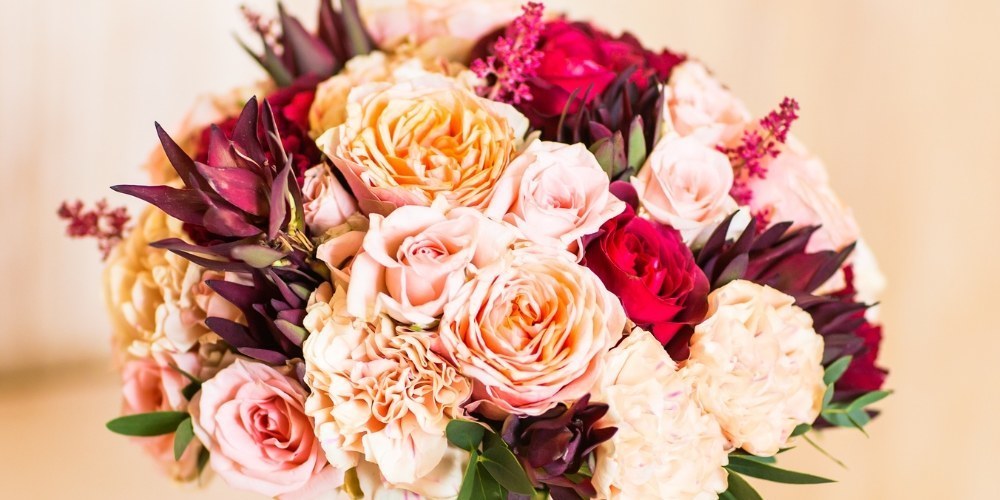
When you take time to understand what flowers mean in the culture of the person you love, you’re not just choosing a better gift. You’re joining that ancient conversation. You’re saying: I paid attention. I know something about where you come from. I wanted to honor that.
That’s what a truly extraordinary anniversary bouquet does. It doesn’t just sit in a vase. It speaks. And now that you know the language, you can make it say exactly what you mean.
