Edible flowers for cheese boards
Contents:
- Quick Guide: Which Edible Flowers Belong on a Cheese Board?
- Why Add Edible Flowers to a Cheese Board?
- Sourcing Edible Flowers in the US (2026 Update)
- Where to Buy Edible Flowers
- Grow Your Own
- Best Edible Flowers for Cheese Pairings
- Three Winning Combos
- How to Prepare and Use Edible Flowers Safely
- Sourcing & Washing
- Serving Tips
- Allergies and Cautions
- Creative Boards: Instagram-Worthy Ideas With Edible Flowers
- Frequently Asked Questions
- What are the safest edible flowers for cheese boards?
- How long do edible flowers last on a cheese board?
- Can I use flowers from my garden on a cheese board?
- Which cheeses pair best with edible flowers?
- Are edible flowers safe for kids?
Edible Flowers for Cheese Boards: Elevate Your Spread With Nature’s Confetti
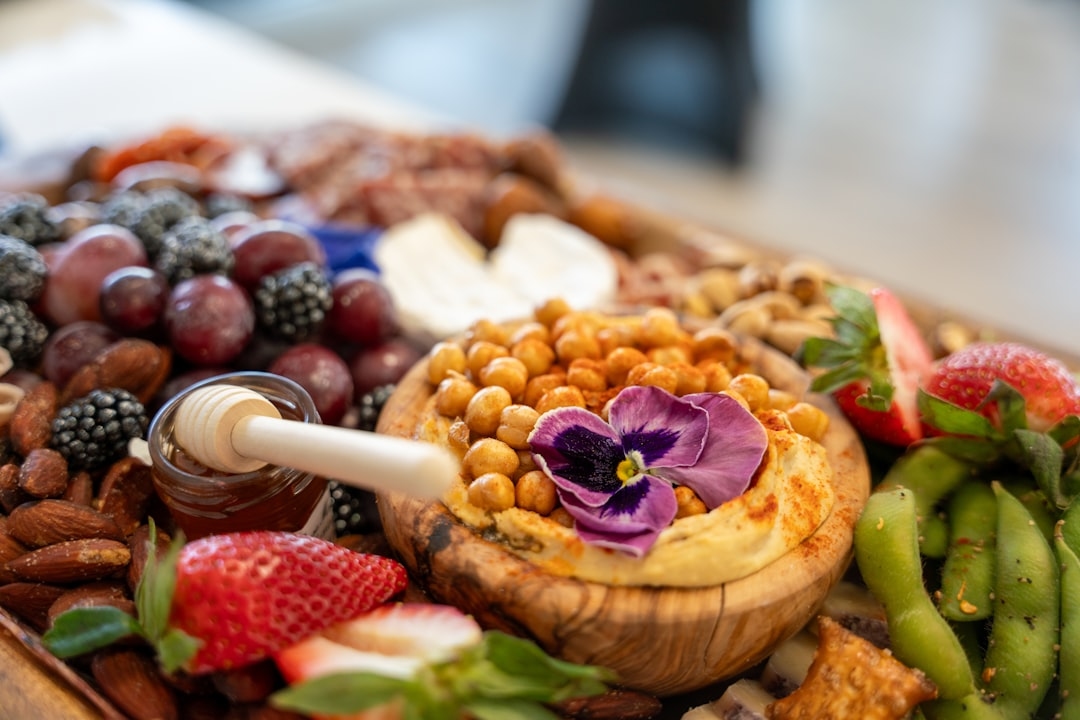
A wheel of brie dressed up with violet petals. Goat cheese sprinkled with tiny, spicy blossoms. Just imagine the reaction at your next dinner party. The right edible flowers turn any cheese board from ordinary to unforgettable–no culinary degree required. In 2026, cheese lovers across the US are using edible flowers not just for their beauty, but for their subtle flavors and the stories they spark.
Quick Guide: Which Edible Flowers Belong on a Cheese Board?
- Best edible flowers for cheese boards:
- Nasturtiums (peppery, vibrant color)
- Violas & pansies (mild, sweet, jewel-like)
- Chive blossoms (garlicky, lavender-pink)
- Marigold petals (citrusy, golden-orange)
- Calendula (slightly spicy, sunny yellow)
- Rose petals (fragrant, classic romance)
- Lavender (herbal, strong aroma)
- Borage (cool, cucumber-like, star-shaped)
- Dill flowers (anise, feathery)
To use: Rinse gently, pat dry, and scatter petals or whole blooms just before serving. Always confirm that flowers are edible and pesticide-free–buy from reputable grocers, US-based flower farms, or edible flower specialists.
Why Add Edible Flowers to a Cheese Board?
The answer goes beyond looks (though the Instagram likes don’t hurt). Edible flowers introduce new flavors, textures, and a sense of special occasion.
- Flavor pairing: Nasturtiums add a wasabi-like kick to creamy cheeses. Lavender turns honeycomb into a multi-sensory treat alongside blue cheese. Chive blossoms wake up the mildness of ricotta. According to Julia Robichaux, Certified Master Florist (New York Botanical Garden, Class of ‘14), “Think of edible flowers as the final seasoning–visual and flavorful.”
- Conversation starter: Most guests expect grapes and nuts, not a sprinkle of borage or marigold. In a 2026 Gusto survey, 78% of American home entertainers said edible flowers made their boards feel “restaurant-level.”
- Nutritional nudge: Many edible flowers contain antioxidants, vitamins A and C, and beneficial plant polyphenols. While you won’t eat enough to replace your kale salad, every petal counts.
- Seasonal accent: Flowers reflect what’s growing and in-season–a subtle nod to locality that’s trending hard with younger hosts.
Sourcing Edible Flowers in the US (2026 Update)
Edible flowers are now easier to find than ever, but quality and safety matter.
Where to Buy Edible Flowers
- Specialty produce sections: Look for clamshell packs labeled “edible flowers” at Whole Foods, Wegmans, and select Trader Joe’s (average price $6.99-$10.99/pack).
- Local flower farms: Many US growers, like Oregon’s Gourmet Sweet Botanicals and California’s Fresh Origins, ship nationwide via overnight delivery.
- Online florist boutiques: Check 2026’s Etsy and Farm-to-Table Flowers for curated seasonal assortments.
- Farmers’ markets: Spring through early fall is prime time; ask growers about their pesticide use.
Grow Your Own
If you have a sunny windowsill or balcony, try nasturtium, calendula, or borage from seed. Seeds packets from Park Seed or Baker Creek Heirloom Seeds run about $2.50-$5.00. Just stick to organic gardening methods–no systemic pesticides!
“If you wouldn’t eat it raw, don’t use it on your cheese board. Always check labels: Some flowers are grown just for decoration and aren’t food-safe.”
–Dr. Margo Lin, PhD in Horticulture, Cornell University
Best Edible Flowers for Cheese Pairings
Let’s match flowers to cheeses with specific pairings and tasting notes.
| Flower | Flavor Profile | Cheese Pairing | Visual Impact |
|---|---|---|---|
| Nasturtium | Peppery, bright | Brie, gouda, havarti | Bold colors (red/orange/yellow) |
| Viola/Pansy | Mild, sweet, grassy | Goat cheese, ricotta | Jewel-like, purple/yellow/white |
| Chive Blossom | Onion-garlic, mild | Cream cheese, cheddar | Lavender-pink globe clusters |
| Marigold | Citrus-spicy, tangy | Aged manchego, feta | Gold/orange petals |
| Calendula | Slightly peppery | Young cheddars, comté | Sunny yellow, saffroniness |
| Rose Petals | Floral, romantic | Triple crème brie, blue | Pastel to deep red, fragrant |
| Borage | Cucumber-cool, crisp | Goat, mozzarella | Blue star-shaped |
| Lavender | Potent, herbal, sweet | Blue cheese, chevre | Purple spikes, strong aroma |
| Dill Flower | Anise, soft herbal | Swiss, camembert | Umbrella-shaped, yellow-green |
Three Winning Combos
- Herbaceous harmony: Chive blossom petals over whipped feta, garnished with microgreens.
- Sweet & savory: Lavender and honey drizzled on Saint Agur blue, surrounded by marigold petals.
- Summer garden: Fresh chevre rolled in chopped nasturtium leaves and petals, paired with borage blooms.
How to Prepare and Use Edible Flowers Safely
Eating flowers should feel festive, never risky. Here’s how to do it right.
Sourcing & Washing
- Only use flowers labeled as edible. Avoid bouquet or florist shop blooms unless specifically grown for consumption.
- Rinse gently in cold water. Shake or pat dry on a paper towel.
- Store in a container lined with a damp paper towel in the fridge–flowers are fragile and wilt quickly.
Serving Tips
- Add flowers as the last step, just before guests arrive, to keep them fresh.
- Use whole blooms for dramatic cheeses; scatter petals for softer, spreadable cheeses.
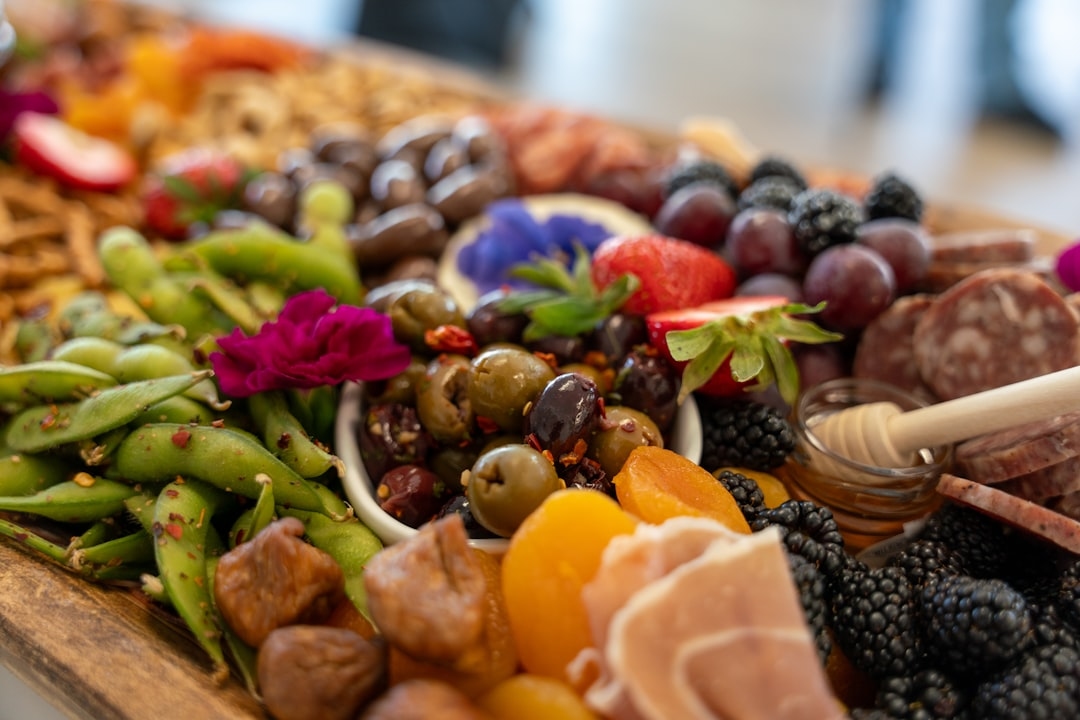
- Pair with other board elements: Try marigold petals with apricots, or borage with cucumber slices.
Allergies and Cautions
- Most edible flowers are safe in small amounts, but if you’re serving kids, pregnant guests, or anyone with pollen allergies, go light or skip flowers that can cause reactions (like chamomile or certain marigolds).
- Avoid any flower you can’t positively identify.
Creative Boards: Instagram-Worthy Ideas With Edible Flowers
Here’s how American hosts are taking edible flowers from garnish to centerpiece in 2026.
- The monochrome board: Use only purple-hued pansies, lavender, and chive blossoms with a trio of goat cheeses, purple grapes, and dried figs.
- The citrus explosion: Calendula petals, orange nasturtiums, golden beets, and tangy citrus segments alongside salty feta.
- The wildflower meadow: Layer microgreens, dill flowers, borage, and tiny viola blossoms for a picnic-board that looks like an Impressionist painting.
- The minimalist: White cheeses (chèvre, brie) with only a sprinkle of vivid rose petals.
- The kids’ board: Arrange borage and pansies with cheddar shapes–kids are often curious about eating “flowers.”
According to chef and cheese educator Raul Delaney (American Cheese Society Certified, 2025), “Adding just two or three types of edible flowers can triple the visual wow-factor–without overwhelming the palate.”
Frequently Asked Questions
What are the safest edible flowers for cheese boards?
The safest edible flowers for cheese boards are those sold specifically for culinary use, such as nasturtiums, violas, chive blossoms, marigold petals, and borage. Buy them from reputable US sources where they are labeled as edible and pesticide-free.
How long do edible flowers last on a cheese board?
Edible flowers last about 2-4 hours unrefrigerated on a cheese board before they begin to wilt. It’s best to apply them just before serving and keep the board cool if possible.
Can I use flowers from my garden on a cheese board?
You can use garden flowers on a cheese board only if they are edible, not treated with chemicals, and positively identified. Avoid flowers from florists and landscaping companies, as these may contain non-food-safe pesticides.
Which cheeses pair best with edible flowers?
Soft cheeses like goat cheese, brie, ricotta, and blue cheese pair best with edible flowers. Their subtle flavors let the flowers’ aromas and colors shine without competition.
Are edible flowers safe for kids?
Most edible flowers used for cheese boards are safe for children in small amounts, but always check for allergies and avoid toxic lookalikes. Introduce one type at a time if unsure.
Ready to create your own masterpiece? Start with two cheeses and any three edible flowers you can source, and let the petals fall where they may. The next time your guests pause mid-bite to ask what’s that blossom on their camembert, you’ll know you’ve leveled up your cheese board game. Try a local edible flower grower–or even plant a packet of seeds this spring. Your cheese board will never be basic again.

Related Posts
Preserved rose dome brands compared
Field to Vase Dinner Tour explained