Hindu funeral flower customs guide
Contents:
- Hindu Funeral Flower Customs: Quick Answers
- Why Flowers Matter at Hindu Funerals
- The Meaning of Specific Flowers in Hindu Rituals
- The Importance of White
- Marigolds: Guiding the Soul
- Jasmine: Fragrance of Blessings
- Lotus: Rarity and Reverence
- Traditional Funeral Flower Arrangements and Displays
- Garlands (‘Malas’)
- Loose Petals and Flowers
- Temple and Home Displays
- Sending Flowers for Hindu Funerals in the US
- How to Order the Right Flowers
- Delivery Logistics
- What to Avoid: Common Mistakes in US Context
- Comparison Table: Hindu vs. Western Funeral Flower Customs
- Modern Adaptations in the US
- Pull-Quote
- FAQs: Hindu Funeral Flower Customs
- What are the best flowers to bring to a Hindu funeral in the US?
- Should I send flowers before, during, or after the funeral ceremony?
- Are there flowers that are forbidden at Hindu funerals?
- Can I send flowers if the funeral ceremony is virtual or livestreamed?
- Do Hindu funerals in the US use the same flowers as those in India?
- Final Thoughts: Honoring Traditions with Meaningful Choices
Hindu Funeral Flower Customs Guide
A marigold garland draped across a loved one’s photo. Frangipani petals scattered along a riverside. These aren’t just beautiful gestures. In Hindu funerals, flowers carry centuries of spiritual meaning–each petal honoring life’s passage, each scent helping guide souls onward. For families navigating traditions far from India, from San Jose to New Jersey, knowing the right flowers and their meaning isn’t always obvious.
Hindu Funeral Flower Customs: Quick Answers
What flowers are used at Hindu funerals?
White flowers like carnations, chrysanthemums, and lilies are traditional. Marigolds and jasmine are also common, symbolizing purity and blessing.
How are flowers presented?
Flowers may be placed on or around the body, woven into garlands, or scattered on water during the final rites.
Are there flowers to avoid?
Bright, celebratory blooms like red roses are typically avoided at Hindu funerals, as are any flowers with thorns.
Is it appropriate to send flowers to a Hindu funeral home in the US?
Yes–white arrangements or garlands are welcome, but check with the family’s temple or funeral director for specific preferences.
Why Flowers Matter at Hindu Funerals
Every flower has its moment, but at a Hindu funeral, they do more than decorate. Flowers act as spiritual offerings, believed to purify both the soul of the departed and the atmosphere around mourners.
Dr. Priya Desai, a California-based Vedic scholar, notes: “The subtle fragrance and pure color of funeral flowers in Hinduism are said to comfort the spirit’s journey between worlds.”
In the US, where around 3.5 million people identify as Hindu (Pew Research, 2024), American florists such as 1-800-Flowers and UrbanStems have started offering culturally sensitive sympathy arrangements–often featuring imported blooms not grown stateside.
The Meaning of Specific Flowers in Hindu Rituals
The Importance of White
White dominates Hindu funerals, symbolizing purity, peace, and detachment from worldly things. Common choices include:
- White lilies: Tranquility and rebirth
- White chrysanthemums: Loyalty and sincere grief
- White carnations: Pure love and remembrance
According to Kaushik Mehra, owner of Lotus Floral Studio in Edison, NJ:
“We sell over 1,000 white garlands each month, especially around major festivals and funerals. Families often request chrysanthemums for their endurance–even in sorrow.”
Marigolds: Guiding the Soul
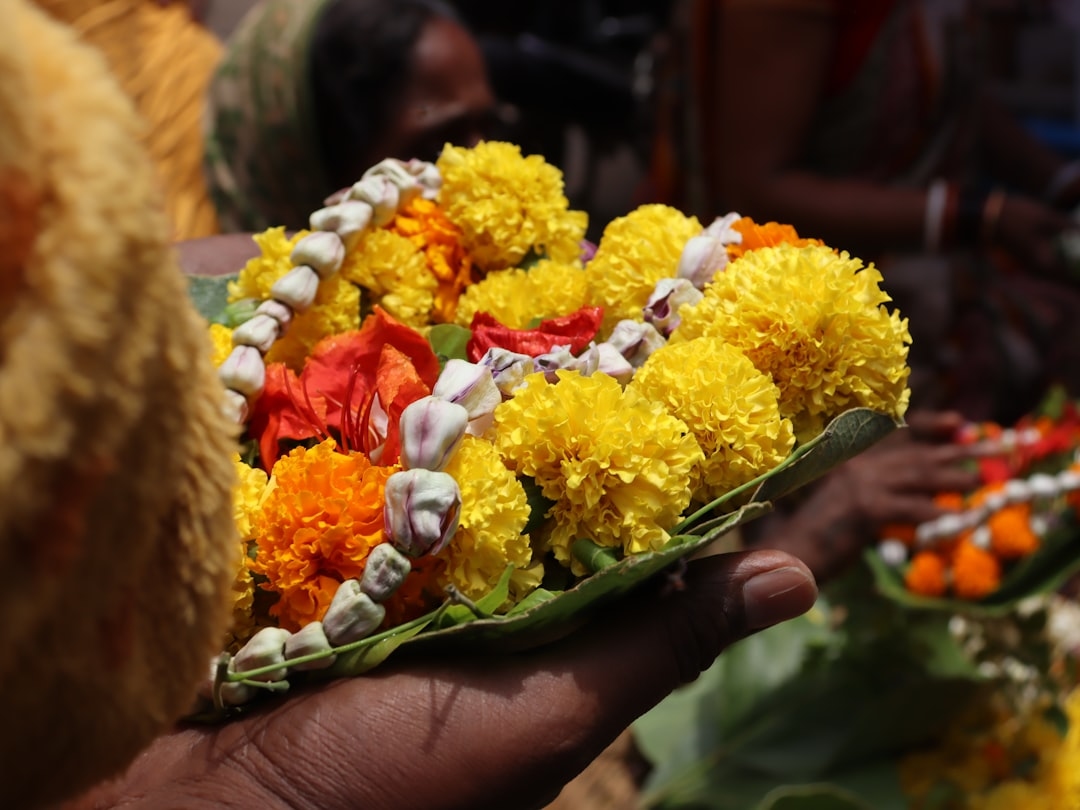
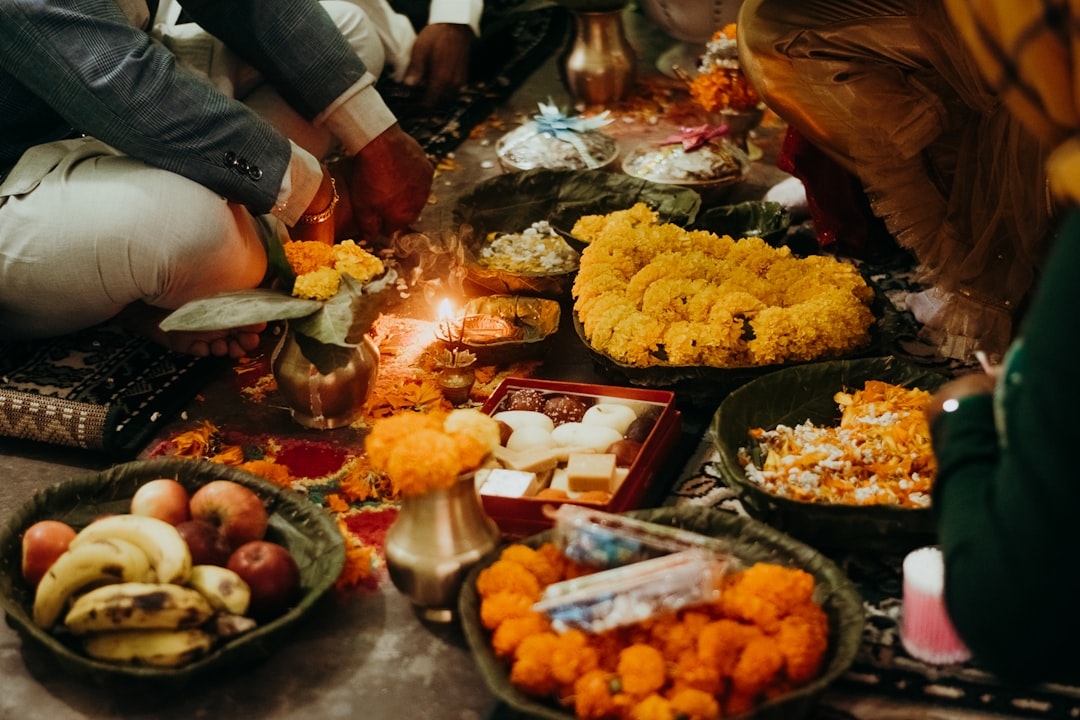
Marigolds (Tagetes) are easily recognized by their vibrant orange and yellow hues. While not always white, they’re used in Hindu funerals due to their spiritual symbolism–offering light, positivity, and a path for the departed soul.
Marigolds are robust enough for outdoor rituals, often surviving multi-day ceremonies or river immersions. Most marigold garlands in US temples are sourced from importers like Indian Blooms USA, with prices ranging from $15 to $40 per garland in 2026.
Jasmine: Fragrance of Blessings
Delicate and highly perfumed, jasmine flowers are believed to attract positive energies and bring peace. They’re woven into garlands or placed loosely around the body. In South Indian traditions especially, loose jasmine petals line the path to the cremation pyre.
Lotus: Rarity and Reverence
The lotus flower, though less common due to cost and availability, holds sacred significance. It represents transcendence and the soul’s release from earthly cycles. In US cities, a single lotus bloom can run $8-$15 (as of 2026), typically reserved for close family to offer at the moment of final blessings.
Traditional Funeral Flower Arrangements and Displays
Garlands (‘Malas’)
Garlands are the most distinctive Hindu funeral floral display–draped around photos, the casket, or directly across the body. A full funeral set often includes:
- 2-3 neck garlands for the deceased
- 1 large photo garland
- Scattered loose petals
Average total cost in the US: $75-$200 depending on flower type and custom work.
Florists with Hindu funeral expertise, like Devika’s Florals in Artesia, CA, can create malas that match regional customs (Gujarati, Tamil, Punjabi), sometimes using as many as 800 blooms per set.
Loose Petals and Flowers
During the ‘Antyesti’ (final rites), family and friends may place single flowers or petals directly on the body as a sign of respect. Fragrant flowers like plumeria, roses (white or pale), and chrysanthemums are used.
Temple and Home Displays
It’s common to build small altar arrangements at home for the mourning period (‘Shraddha’), using simple white flowers and a single garland on a framed photo.
Sending Flowers for Hindu Funerals in the US
How to Order the Right Flowers
Ordering for a Hindu funeral is different than for Christian or Jewish services. Most Hindu families will appreciate:
- Pure white arrangements (avoid bright red or pink)
- Simple, elegant styles–no elaborate sprays
- Garlands over standing wreaths (check with the family)
An increasing number of US florists now offer “Hindu Funeral” sections online. UrbanStems and 1-800-Flowers, for example, highlight white orchid and lily bouquets, starting at $60 in 2026.
Delivery Logistics
Because Hindu funerals often occur quickly–sometimes within 24 hours–timely delivery is crucial. Many American florists in cities like Houston, Atlanta, and Fremont now offer same-day deliveries for pre-designed sympathy garlands. International flower delivery services, like Ferns N Petals, also cater to Indian-American communities.
What to Avoid: Common Mistakes in US Context
1. Choosing the Wrong Colors
Red, yellow, and pink are generally for celebrations–not mourning. A 2025 survey by the National Funeral Directors Association found that 38% of non-Hindu mourners sent brightly colored flowers by mistake.
2. Inappropriate Arrangements
Large sprays, cross-shaped wreaths, and flamboyant sympathy baskets (common in Western services) aren’t part of Hindu customs. Stick to garlands or low, circular arrangements.
3. Using Thorns or Artificial Flowers
Flowers with thorns, like some roses, are considered inauspicious. Artificial flowers are usually avoided unless absolutely necessary.
4. Ignoring Family Preferences
Always check with the family or their chosen funeral home. Regional differences matter–a Gujarati family might prefer marigolds; a Tamil family, jasmine. As Dr. Ramesh Iyer, a Minneapolis priest, says:
“The most meaningful flower is the one that comforts the mourner, not just the departed.”
Comparison Table: Hindu vs. Western Funeral Flower Customs
| Attribute | Hindu Funerals | Western Funerals |
|---|---|---|
| Typical colors | White, orange | White, red, pink, purple |
| Common flowers | Marigold, jasmine, chrysanthemum | Lily, rose, orchid |
| Arrangement style | Garlands, loose petals | Sprays, wreaths, stands |
| Symbolic meaning | Purity, spiritual blessing | Remembrance, condolence |
| Delivery preferences | Garlands, altar sets | Large baskets, displays |
Modern Adaptations in the US
Increasingly, Hindu-American families blend tradition with convenience. Some incorporate locally grown blooms (like white sunflowers) into ceremonial garlands due to cost or seasonality. Custom florists in New York and Los Angeles now use eco-friendly wire-free garlands and biodegradable packaging.
A 2026 study by the American Horticultural Society showed a 22% rise in demand for sustainable funeral arrangements among Indian-American consumers.
Pull-Quote
“A garland woven with love and understanding is the truest offering–no matter the flower.”
– Neha Anand, Certified Florist & Grief Counselor, Dallas, TX
FAQs: Hindu Funeral Flower Customs
What are the best flowers to bring to a Hindu funeral in the US?
White carnations, lilies, and chrysanthemums are all suitable. If possible, marigold garlands or loose jasmine are especially appreciated for their spiritual symbolism.
Should I send flowers before, during, or after the funeral ceremony?
Send or bring arrangements before the ceremony, as Hindu funerals often take place within 24 hours. Flowers can also be sent to the family’s home during the mourning period.
Are there flowers that are forbidden at Hindu funerals?
Bright red, deep pink, or thorny flowers are generally avoided. Steer clear of artificial or scented sprays, unless specifically requested by the family.
Can I send flowers if the funeral ceremony is virtual or livestreamed?
Yes, it’s common to send flowers to the family’s home or temple even if you can’t attend in person. Some families may display garlands or petals near the livestream as a visible symbol of sympathy.
Do Hindu funerals in the US use the same flowers as those in India?
Often yes, but substitutions are made for availability–white carnations or chrysanthemums in place of Indian tuberose, for example. Marigolds and jasmine are usually imported for major ceremonies.
Final Thoughts: Honoring Traditions with Meaningful Choices
Looking to support a grieving Hindu family in the US? Choose white blooms, or ask your local florist about custom garlands–they’ll likely know exactly what’s meaningful. More importantly, take a moment to learn the family’s traditions and preferences. The most comforting tribute is always the one given with knowledge and heart.
If you’re ever unsure, a simple white garland–delivered promptly–speaks volumes. And as Hindu funeral flower customs evolve in 2026 America, blending tradition and sensitivity will help every floral offering truly honor a life well-lived.

Related Posts
Preserved rose dome brands compared
Field to Vase Dinner Tour explained