Year-round local flower farms in the US
Contents:
- The Best Year-Round Local Flower Farms in the US (Direct Answer)
- How US Flower Farms Grow Flowers Year-Round
- Greenhouses: The Workhorse of Winter Blooms
- Regional Climate Hacks
- Successive Plantings and Crop Planning
- Why Buy Year-Round Local Flowers?
- Fresher Flowers, Longer Enjoyment
- Unique Varieties & Natural Beauty
- Where to Find Year-Round Local Flower Farms and Bouquets
- Shop Direct: Farm Pickups, Subscriptions & Farmers Markets
- Online Florists Featuring Local Product
- Regional Flower Hubs
- Costs and Value: Is Year-Round Local Worth It?
- Sustainability and Community Impact
- The Future: Flower Farming in Every Season
- FAQ: Year-round Local Flower Farms in the US
- What’s the best way to find a year-round flower farm near me?
- Can I get local flowers delivered in winter?
- Which flowers are available locally in winter?
- Are local flowers more expensive than imported ones?
- Do local flower farms use chemicals or pesticides?
- Ready to Find Your Own Year-Round Local Flower Source?
Year-round Local Flower Farms in the US: Fresh Blooms No Matter the Season
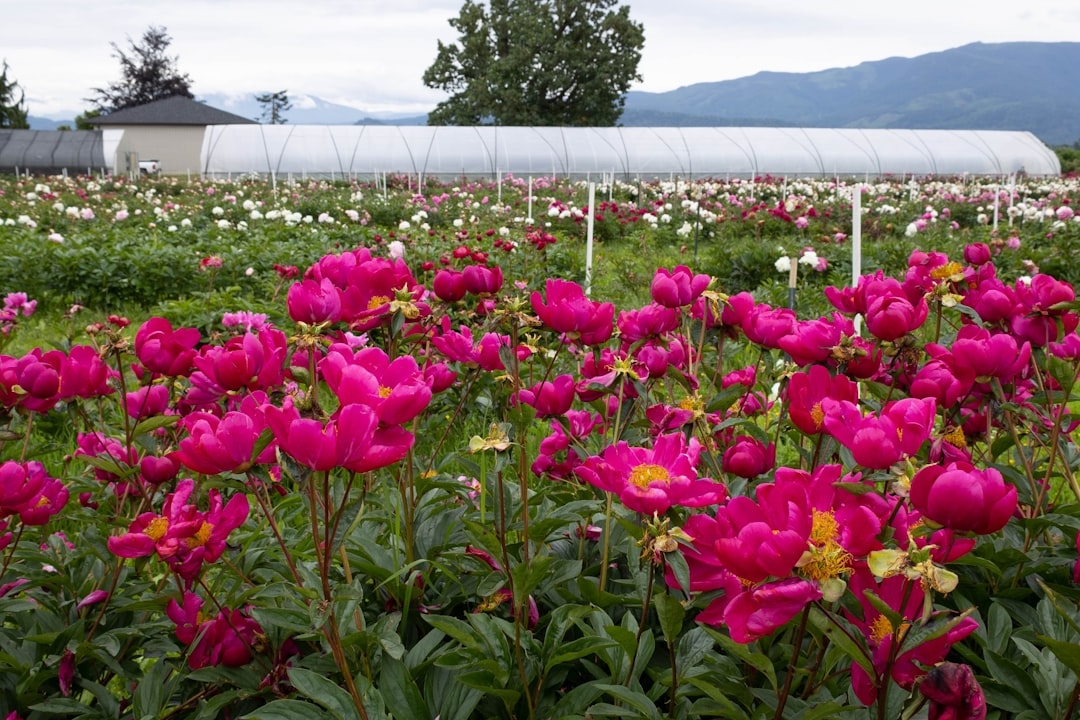
Tulips in December. Dahlias at Thanksgiving. It sounds like floral magic, but it’s a regular reality for hundreds of American flower lovers–and the secret is year-round local flower farms. In 2026, more US farmers than ever are pushing the limits of seasonality, producing swoon-worthy stems from January through December right in your region.
The Best Year-Round Local Flower Farms in the US (Direct Answer)
Many US flower farms now grow and sell fresh blooms 12 months a year, offering local flowers even in winter. Standouts include:
- Floret Flower Farm (WA): Renowned for extended-season peonies, ranunculus, and sweet peas.
- Evelyn’s Flower Farm (CA): Mild-climate coastal fields yield year-round bouquets.
- Roots Cut Flower Farm (FL): Specializes in tropical and heat-loving flowers all winter.
- Bear Bottom Acres (NY): Uses heated greenhouses for roses, tulips, and specialty bulbs from January onward.
- Harmony Harvest (VA): Ships fresh US-grown mixed bouquets nationwide, every week of the year.
Some, like Bear Bottom Acres, combine greenhouses and innovative cold frames to deliver tulips in February and ranunculus in December. Others, such as Roots Farm, use Florida’s mild winters for year-round harvests. Check your region for similar farms–many now offer monthly flower subscriptions even in the coldest months.
How US Flower Farms Grow Flowers Year-Round
Every flower has a natural season, but clever American farmers are stretching the calendar–sometimes by months.
Greenhouses: The Workhorse of Winter Blooms
In 2026, over 3,000 US flower farms rely on heated or unheated greenhouses. According to the USDA’s Floriculture Report (2025), greenhouse flower production increased 14% from 2022-2025, with demand for local winter flowers driving the boom.
- Heated Greenhouses: Allow for classic spring favorites (like anemones, tulips) in midwinter.
- High Tunnels (Hoophouses): Simple structures extend the season for hardy flowers by 2-4 months, especially in the Midwest and Northeast.
“We grow ranunculus for Valentine’s Day and sunflowers until Christmas, thanks to our high tunnels,” says Margaret Lutz, owner of Suncloud Flowers in Ohio.
Regional Climate Hacks
Some regions have a head start. California’s Central Coast, southern Florida, and Hawaii offer mild winters and fewer frost days, letting farms cultivate flowers outside almost all year.
Pull-quote: “There’s nothing quite like seeing fresh snapdragons in January when everyone else is buried in snow.”
– James R. Ford, Lead Grower, Roots Cut Flower Farm, Florida
Successive Plantings and Crop Planning
Staggered sowing and succession planting mean there’s always something in bloom. A single acre at a diversified farm might hold tulips in February, sweet peas in April, and zinnias by June–all from the same rows.
| Month | Typical US Local Flower Availability | Grown with: |
|---|---|---|
| January | Tulips, anemones, hellebores | Greenhouse, tunnels |
| March | Ranunculus, daffodils, narcissus | Greenhouse, tunnels |
| July | Dahlias, zinnias, lisianthus | Field, tunnels |
| November | Mums, snapdragons, late asters | Tunnels, greenhouse |
| December | Everlasting wreaths, tulips | Greenhouse, field |
Why Buy Year-Round Local Flowers?
Modern shoppers want flowers that support US farmers and shrink their carbon footprint. Local, year-round blooms are fresher, last longer in the vase, and have a smaller climate impact than imports.
- 85% of cut flowers sold in the US are still imported (mainly from Colombia and Ecuador), but the local flower movement is closing the gap (Society of American Florists, 2026).
- Flower miles: Local blooms travel 90% less distance on average, reducing emissions.
Fresher Flowers, Longer Enjoyment
Local flowers go from field to table in 1-2 days–versus over a week for imports. That means peonies that open beautifully, snapdragons that stand tall, and sunflowers that don’t droop after a day.
Unique Varieties & Natural Beauty
Most imported flowers are standard roses and carnations. Year-round local farms offer hard-to-find beauties: heirloom narcissus in March, unusual dahlias in August, or wild-looking winter hellebores.
Where to Find Year-Round Local Flower Farms and Bouquets
Shop Direct: Farm Pickups, Subscriptions & Farmers Markets
Hundreds of farms now let you buy bouquets for local pickup almost any week of the year. Many offer monthly, bi-weekly, or even weekly flower subscriptions–fresh, local stems delivered to your door or a nearby pickup location.
- Harmony Harvest Farm (VA): Ships year-round bouquets nationwide, starting at $39 a month.
- Petal Pickers (SC): Offers winter camellia bouquets for local delivery.
- Urban Buds (MO): Delivers fresh tulips and ranunculus to St. Louis customers in January and February.
Online Florists Featuring Local Product
US-based platforms like The Bouqs Co. and Farmgirl Flowers now highlight farm-direct, year-round US-grown bouquets. Both partner with local growers for “100% American-grown” options even outside the traditional flower season.
Regional Flower Hubs
Some states have their own networks:
- California Cut Flower Collective
- Colorado Flower Collective
- Northeast Flower Exchange
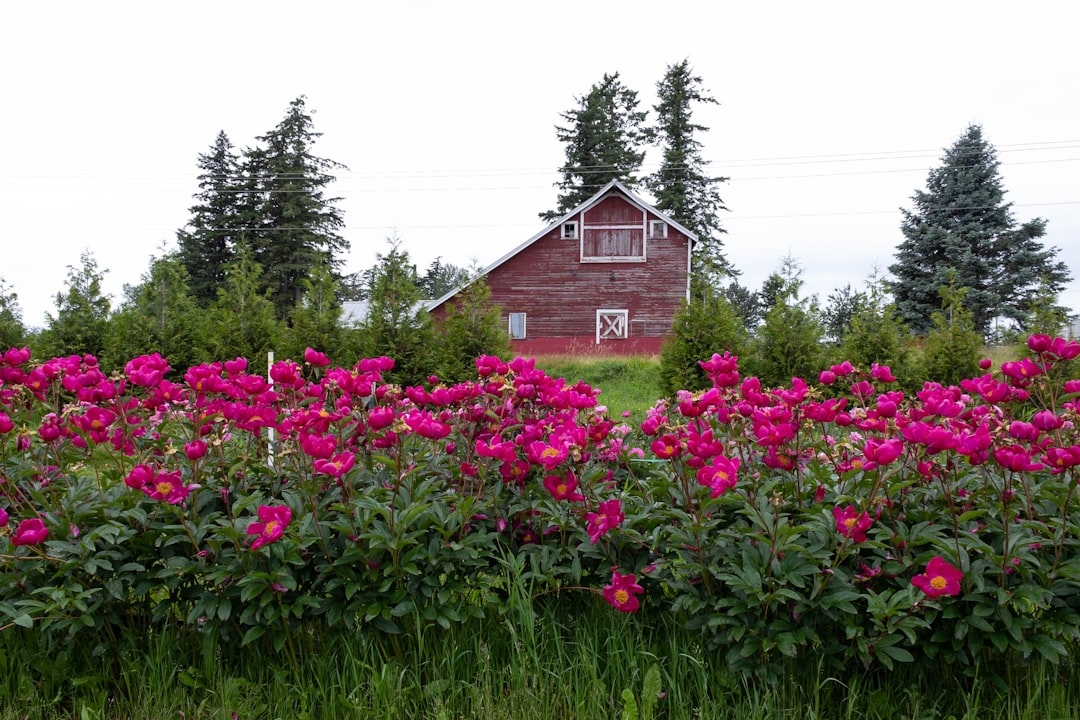
These networks connect small-scale flower farms with florists and enthusiasts, even in the frostiest months.
Costs and Value: Is Year-Round Local Worth It?
A common misconception: local, year-round flowers break the bank. In reality, prices for farm-fresh bouquets vary–but are more competitive than ever.
- Winter bouquets (greenhouse-grown): $30-$60, depending on flower type and region.
- Spring/summer field bouquets: $20-$40, often with more stems and variety.
- Monthly subscriptions: $35-$65 per delivery, with discounts for longer commitments.
| Flower Source | Average Stem Price | Vase Life | Most Common Available Months |
|---|---|---|---|
| Imported grocer | $1.25 | 3-5 days | Year-round (limited types) |
| Local farm (field) | $1.50 | 6-10 days | April-October |
| Local (greenhouse) | $2.00 | 7-12 days | Year-round |
Local flowers typically last 2-5 days longer in a vase compared to those flown in from abroad (Jessica Tran, Certified Florist and owner of Sweet Valley Floral).
Sustainability and Community Impact
Buying from year-round local flower farms keeps money local and supports rural American communities. Flower farming creates jobs: an acre of mixed cut-flowers supports up to 3 full-time positions from fieldwork to distribution (American Specialty Cut Flower Growers Association, 2026).
Many year-round flower farms also grow with:
- Reduced pesticides: Many use organic or low-spray methods.
- Pollinator-friendly practices: Habitat strips and minimal chemicals.
- Water conservation: Drip irrigation and rainwater catchment.
“You can support a neighbor, reduce waste, and still have beautiful, unique flowers in winter,” says Carla Jennings, horticulturist and educator at Oregon Flower School.
The Future: Flower Farming in Every Season
Even in Alaska, farmers are experimenting with geothermal-heated tunnels. In the South, drought-resistant varieties make it possible to have blooms when the ground is bone-dry. The next frontier? Hyper-local hydroponics in cities, bringing fresh flowers to urban neighborhoods, even mid-winter.
Expect to see more:
- Community-supported flower agriculture (CSFA): Like a veggie CSA, but for bouquets–delivered even in January.
- Regenerative practices: Cover-cropping, compost, and perennial plantings extend the season while restoring the land.
- New varieties bred for shoulder seasons: Watch for novel hellebore types and heat-tolerant ranunculus by 2027.
FAQ: Year-round Local Flower Farms in the US
What’s the best way to find a year-round flower farm near me?
Use directories like LocalFlowers.org, ask at your farmers market, or search Instagram for hashtags like #localflowers + your state. Many farms post weekly availability updates.
Can I get local flowers delivered in winter?
Yes. Dozens of farms and online florists offer US-grown bouquets year-round, especially in major metro areas and through shipping services like Harmony Harvest or Farmgirl Flowers.
Which flowers are available locally in winter?
Popular winter choices include greenhouse tulips, ranunculus, anemones, hellebores, camellias, amaryllis, and unique winter greenery like eucalyptus and pine.
Are local flowers more expensive than imported ones?
Prices are often slightly higher per stem, but the vase life is longer and blooms are fresher. Subscriptions and farm-direct purchases can bring costs in line with imported bouquets, especially in spring and summer.
Do local flower farms use chemicals or pesticides?
Many year-round local flower farms use sustainable, low-spray, or organic practices. Ask your farmer–many are happy to share their growing standards.
Ready to Find Your Own Year-Round Local Flower Source?
Check your region for CSA-style subscriptions or farm-direct florists, sign up for a monthly bouquet, or visit a winter farmers market with fresh flowers. Supporting year-round local flower farms means more beauty in your home–and a thriving flower scene in your community, twelve months a year. Why settle for imported, week-old tulips when you could have something fresher, more sustainable, and totally unique? Try a local bouquet next time–and see the difference for yourself.

Related Posts
Preserved rose dome brands compared
Field to Vase Dinner Tour explained