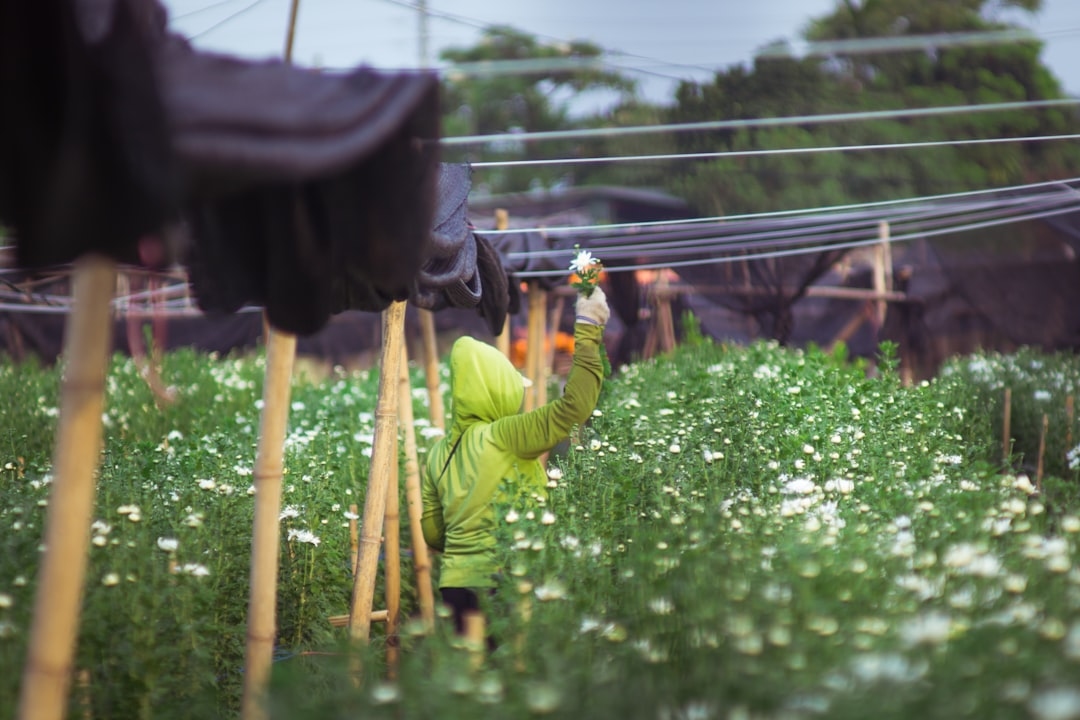
Flower farmers near me – how to buy direct
Contents:
- How to Buy Flowers Direct From Local Flower Farmers (Quick Guide)
- Why Buy Direct? The Perks of Local Flower Farmers
- Where to Find Flower Farmers Near Me
- Directories and Maps
- At Your Farmers Market
- Social Media
- Flower CSAs and Subscription Services
- Pricing: What to Expect When Buying Direct
- Seasonality: When and What’s Available
- Typical US Flower Seasons
- Storage and Care
- How to Contact and Buy From Flower Farmers
- Pickups and Delivery
- Special Orders
- Compare: Local Flower Farmers vs. Supermarkets & Florists
- Pro Tips: Getting the Most from Direct Flower Buying
- FAQ: Buying Direct From Flower Farmers Near Me
- How do I find local flower farmers in my area?
- Are locally grown flowers more expensive than store-bought?
- Can I order flowers for delivery from local farmers?
- What kinds of flowers are available direct from the farm?
- Do local flower farms use pesticides?
Flower Farmers Near Me – How to Buy Direct
A vase of zinnias you picked up on your lunch hour. The scent of just-cut peonies wafting through your living room. Flowers from a local field transform a space far more than a supermarket bouquet ever could. Here’s the surprise: buying flowers straight from flower farmers near you isn’t harder–it’s just different. And the rewards? Fresher stems, lower prices, and the joy of supporting hard-working growers in your own backyard.
How to Buy Flowers Direct From Local Flower Farmers (Quick Guide)
The easiest way to buy direct is to find a local flower farmer, check what’s currently in season, and either visit their farm stand, order online for pickup/delivery, or catch them at a nearby farmers market.
Here’s a simple step-by-step to get you started:
- Search for “flower farmers near me” or try directories like Floret Flowers’ Farmer-Florist Collective or LocalHarvest.org to find growers in your state.
- Contact the farmer to ask about available varieties, bouquet sizes, and pricing.
- Arrange to pick up at their farm, a market, or have blooms delivered (if offered).
- Bring cash or check–smaller farms may not always accept cards.
- Enjoy flowers that often last 2-3 days longer than imported bunches.
Fresh, direct-cut flowers mean more fragrance and longer vase life–University of Illinois studies say local flowers can last up to a week longer than imported options.
Why Buy Direct? The Perks of Local Flower Farmers
Walk through a field of sunflowers at 7 a.m. and you’ll see what a difference freshness makes. Flower farming is resurging across the US; the USDA counted over 8,000 cut flower farms as of 2024, with numbers still rising.
Top advantages:
- Fresher Blooms: Flowers travel tens (not thousands) of miles. Many are cut within 24 hours of sale.
- Unique Varieties: Locals can grow specialty dahlias, fragrant sweet peas, or heirloom narcissus you’ll never spot at Costco.
- Sustainable Practices: Small farms tend to use fewer pesticides and support pollinator-friendly ecosystems.
- Support Your Community: Every purchase keeps small American farms thriving.
- Customization: Want a “just-picked” wildflower look or a bucket for DIY arranging? Most direct growers can accommodate.
According to Sara Linwood, owner of Linwood Flower Co. in Indiana:
“Customers are often surprised by the scent and color–store-bought flowers just can’t compete with field-fresh.”
Where to Find Flower Farmers Near Me
You don’t need to know a grower personally. Nearly every region in the US now has passionate flower producers, from California’s Central Valley to Vermont’s Green Mountains.
Directories and Maps
- Floret’s Farmer-Florist Collective: Nationwide searchable listings categorized by state.
- LocalHarvest: Not just veggies–this site lists flower CSAs, pick-your-own farms, and pop-up stands.
- Slow Flowers: A US-based directory with profiles of certified local growers and florists.
- Google Maps: Search “flower farm near me” or “pick your own flowers” for local results.
At Your Farmers Market
Most medium-to-large farmers markets have at least one flower vendor from late spring into fall. Ask about their farm, spray practices, and which flowers were cut that morning.
Social Media
Many small growers use Instagram or Facebook to announce weekly bouquet offerings or special events. Check hashtags like #americanflowers, #localflowers, or #[yourstatename]flowers.
Flower CSAs and Subscription Services
Some flower farms offer a “CSA” (Community Supported Agriculture) similar to veggie shares. You pay upfront for a weekly or monthly bouquet, often running from May to September. Popular examples:
- Tiny Hearts Farm (NY)
- Petal Pink Farm (VA)
- Field & Vase (CA)
Pricing: What to Expect When Buying Direct
Direct-from-farm pricing usually beats the florist shop, sometimes rivaling grocery chains for quality stems. Here’s how prices typically compare:
| Source | Mixed Bouquet (10-15 stems) | Specialty Bouquet | Bulk (DIY bucket) |
|---|---|---|---|
| Grocery Store | $14 – $30 | $25 – $50 | N/A |
| Regular Florist | $30 – $70 | $50 – $150 | $50 – $200 |
| Local Farmer | $15 – $35 | $35 – $75 | $35 – $100 |
Sourced from US grower surveys, 2026.
Bulk DIY buckets are especially budget-friendly–perfect for small weddings or summer cookouts. You may even get to pick the stems yourself.
Expert tip: Some farms offer discount “seconds” or “farm gate” pricing for stems with minor imperfections (think dirt on stems, not broken blooms). Ask!
Seasonality: When and What’s Available
The biggest surprise for most folks? You’ll need to shop seasonally. Unlike supermarkets, local flower farmers don’t offer roses in January. But you gain access to varieties far fresher–and often more interesting.
Typical US Flower Seasons
- Spring (March-May): Tulips, ranunculus, narcissus, peonies
- Early Summer (June-July): Sweet peas, snapdragons, delphiniums, lilies
- Summer (July-September): Sunflowers, zinnias, cosmos, dahlias, lisianthus
- Fall (September-October): Dahlias, asters, rudbeckia, ornamental grasses
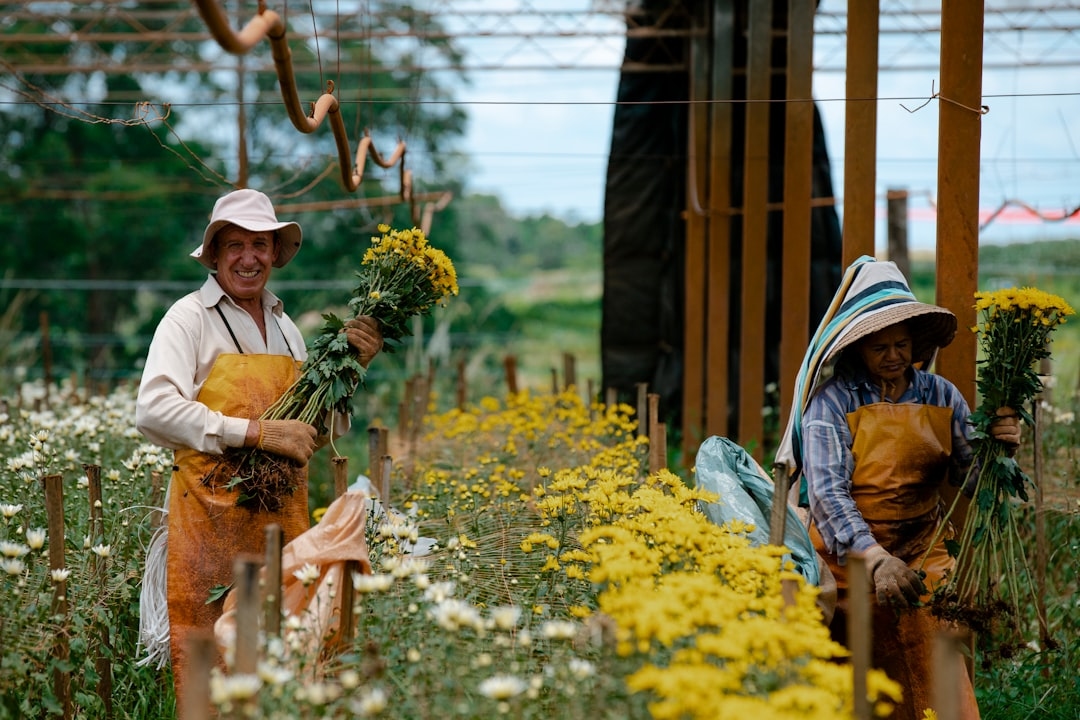
Fact: According to Dr. Eliza Cerritos, Horticulture Professor at Oregon State University, “Locally grown dahlias peak in late August and early September in most northern states–a window of just 5-6 weeks for the best blooms.”
Storage and Care
Because local flowers are fresher, they’ll often last longer–but that’s only if you treat them right:
- Recut stems before placing in cool water
- Change water every 2 days
- Keep bouquets out of direct sun/fruit bowl gases
How to Contact and Buy From Flower Farmers
Step 1: Start with a friendly message–phone, email, or DM. Introduce yourself and ask about current blooms, minimum order sizes, and pickup options.
Step 2: Most farmers post weekly or seasonal availability. Some operate pop-up stands with set hours; others might need 24 hours to prep your order.
Step 3: Payment is usually by cash, Venmo, or check. Some accept card via Square, but be prepared for alternatives.
Pickups and Delivery
- Farm Stand Pickup: Scheduled or self-serve. Look for a cooler or signs.
- Farmers Market: Quickest option–arrive early for best selection.
- Local Delivery: Some farms deliver within 5-20 miles, for a small fee ($5-$15 is typical).
Special Orders
- Parties and Weddings: Local growers love special projects, but book months ahead for popular dates (especially June and September).
- DIY Options: Many supply “buckets” of mixed stems for you to arrange, at $40-$85 per bucket (often 25-40 stems).
Compare: Local Flower Farmers vs. Supermarkets & Florists
| Feature | Local Flower Farmer | Grocery Store | Traditional Florist |
|---|---|---|---|
| Freshness | <24-72 hrs post-harvest | 5-10+ days post-harvest | 7-10+ days post-harvest |
| Variety | Seasonal, unique | Year-round standards | Year-round + exotics, often imported |
| Pricing | Fair, supports grower | Cheap, but generic | Highest, includes design |
| Local Impact | High | Low | Medium |
| Customization | Direct, flexible | None | High (for a fee) |
“Buying from a local grower is the ultimate in personalization and freshness,” says Jamie LaRosa, owner of LaRosa Blossoms, Illinois. “Plus, your money goes directly to someone in your community.”
Pro Tips: Getting the Most from Direct Flower Buying
- Ask About “Grower’s Choice”: Letting the farmer select means you get the best of what’s blooming, usually at a lower price.
- Visit in Person When Possible: See how the flowers are grown, and you might score a farm tour or bonus greenery.
- Sign Up for Newsletters: Many flower farmers email weekly updates on fresh picks, bouquet deals, and pop-up events.
- Tag the Farmer on Social: Most love seeing their blooms in action and may offer discounts for repeat customers.
- Don’t Forget Floristry Workshops: Many farmers now offer classes in bouquet design or wreath-making, especially in spring and fall.
FAQ: Buying Direct From Flower Farmers Near Me
How do I find local flower farmers in my area?
Use sites like the Floret Farmer-Florist Collective, LocalHarvest.org, or Slow Flowers to search by zip code. Farmers markets and social media hashtags (#americanflowers) are good bets for discovering nearby growers.
Are locally grown flowers more expensive than store-bought?
Not usually. A fresh mixed bouquet from a local farmer typically costs $15-$35, often less than a florist–and the quality and vase life are superior.
Can I order flowers for delivery from local farmers?
Some flower farms offer local delivery within 5-20 miles for a fee, while others operate pickup-only. Check each farm’s policies on their website or social page.
What kinds of flowers are available direct from the farm?
Availability depends on season and region. Spring brings tulips and peonies, summer features sunflowers and zinnias, and fall showcases dahlias and asters. Ask your grower what’s freshest!
Do local flower farms use pesticides?
Many small-scale flower farmers practice low-spray or organic growing. Ask about their pest management–most are happy to share their eco-friendly approach.
Ready for armloads of snapdragons or buckets of homegrown cosmos? Take a look at the listings in your area, send an order inquiry, or better yet–visit a flower farm this weekend. The most memorable bouquets are the ones you’ll remember long after the petals fall.

Related Posts
Preserved rose dome brands compared
Field to Vase Dinner Tour explained