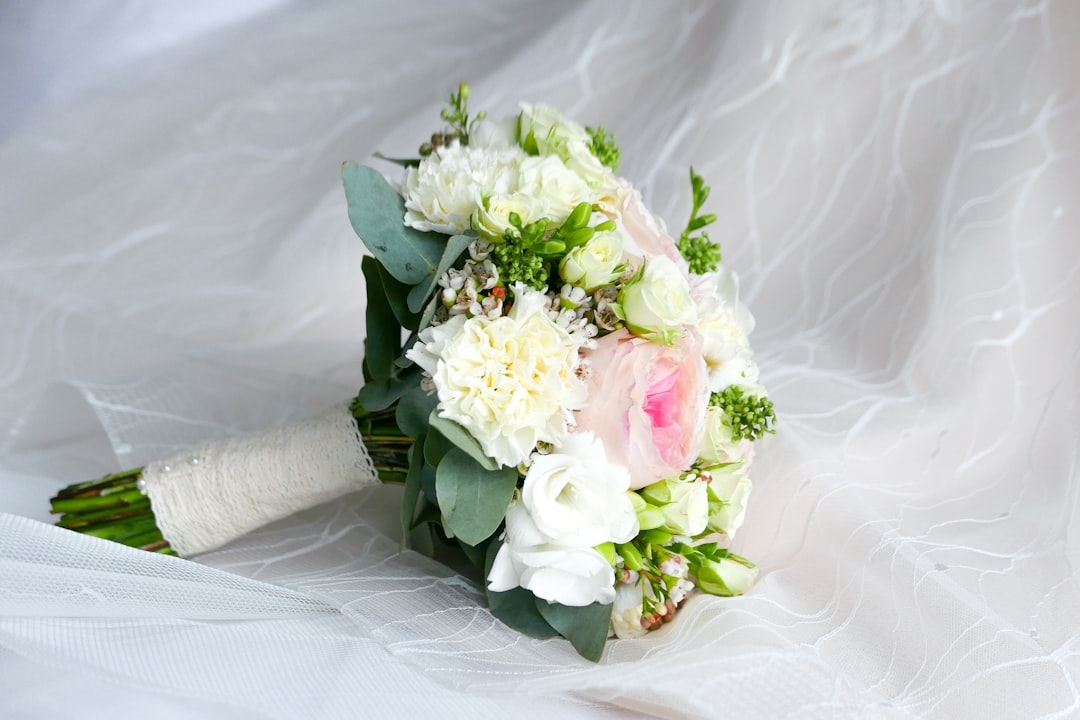
Cheapest months to buy wedding flowers
Contents:
- Quick Answer: Which Months Are Cheapest for Wedding Flowers?
- Why Flower Prices Fluctuate: Weddings, Holidays, and the US Supply Chain
- Best Months for Bargain Wedding Flowers
- January: Hidden Gem for Early Planners
- February (Late): Post-Valentine’s Price Crash
- August: The Summer Lull
- Early Spring & Late Fall (Honorable Mentions)
- Most Expensive Times for Wedding Flowers
- How Flower Choice Changes Seasonal Pricing
- Local vs. Imported Options
- Alternatives That Save You More
- Offbeat Blooms: Think Local and Wild
- Pro Tips to Maximize Flower Savings
- Be Flexible With Dates and Designs
- Order Early and Negotiate With Local Florists
- Order Direct From Wholesalers or Online Marketplaces
- Consider Dried or Preserved Flowers
- Frequently Asked Questions
- What month is the cheapest for wedding flowers in the US?
- Are flowers more expensive in May or June for weddings?
- What flowers are always affordable, no matter the month?
- How much do wedding flowers cost in 2026?
- Can I save money ordering wedding flowers online?
Cheapest Months to Buy Wedding Flowers: A 2026 Guide
Picture this: It’s a sunny Saturday in May, and you’re walking through San Francisco’s Flower Mart at dawn. Tulips, roses, and peonies are stacked high, but the price tags might make your jaw drop. Is May really wedding flower season–or the most expensive month to say “I do” with blooms? The answer might surprise you, especially if your dream is to fill your venue with flowers without emptying your wallet.
From New York rooftop ceremonies to beachside vows in Miami, timing your flower purchase can shave hundreds, sometimes thousands, off your wedding budget. Knowing the cheapest months to buy wedding flowers–and which blooms are in season–gives you an edge before you even meet with your florist.
Quick Answer: Which Months Are Cheapest for Wedding Flowers?
Generally, January, February (after Valentine’s), and August offer the lowest prices for wedding flowers in the US. These months fall between the peak wedding and floral demand seasons, so growers and florists often lower prices to move inventory.
- January: Few weddings, steady but not spiked flower demand.
- February (after 15th): Post-Valentine’s oversupply drops costs.
- August: End of summer is off-peak for both weddings and major flower holidays.
Compare this with May, June, and December–windows notorious for the highest flower prices due to Mother’s Day, graduations, and holiday events.
Here’s a quick table to help you visualize average price trends for popular US wedding flowers (2026 estimates):
| Month | Average Rose Price (per stem) | Average Peony Price (per stem) | Seasonal Factors |
|---|---|---|---|
| January | $2.00 | $7.00 | Low wedding demand |
| February | $4.00* | $8.00 | Valentine’s (early Feb.) |
| March | $2.50 | $5.00 | Peony season starts |
| May-June | $3.50 | $7.50 | Peak weddings/Mother’s |
| August | $2.00 | $6.00 | Summer lull/off-season |
| December | $4.50 | $10.00 | Holidays spike demand |
* Note: Prices drop sharply after February 15.
Why Flower Prices Fluctuate: Weddings, Holidays, and the US Supply Chain
US floral prices behave like airline tickets: the more people want a certain flower in a certain month, the more you’ll pay. Here’s why:
- Peak wedding months (May, June, September, October): Demand surges–so do prices. According to Alicia Grant, AIFD-certified florist and owner of Wild Bloom in Dallas, “We see wholesale costs for standard roses double or even triple around Mother’s Day and June weddings.”
- Major holidays: Valentine’s Day and Mother’s Day account for more than 50% of annual flower sales in the US (Society of American Florists, 2026). Growers shift inventory, pushing costs up for everyone.
- Local vs. imported blooms: Over 80% of cut flowers sold in the US are imported (mostly from Colombia and Ecuador). Bad weather or shipping delays can create sudden price spikes.
- Off-peak windows: Fewer events, less demand, and more negotiating room.
It’s a supply-and-demand dance–with your budget at the mercy of the calendar.
Best Months for Bargain Wedding Flowers
January: Hidden Gem for Early Planners
After the holiday rush, January brings a lull to many flower markets. Fewer weddings, fewer events, and slower retail sales mean wholesalers need to move stock.
- Pros: Roses, lilies, stock, and carnations are widely available and affordable.
- Cons: Limited variety for “trendy” flowers like dahlias, ranunculus, or peonies.
“My couples who marry in January often spend 30-40% less on florals than summer brides,” says Maribel Huerta, lead designer at Sun Valley Flowers, Los Angeles.
February (Late): Post-Valentine’s Price Crash
Early February is rough–everyone pays a premium for red roses and showy blooms. But the day after Valentine’s, wholesalers discount overstock.
- Tip: Talk to your florist about booking a wedding between February 18-28. You may score deals on roses, tulips, and more.
August: The Summer Lull
August sits between the hectic early-summer wedding rush and the late-fall revival. Many venues offer discounts, and so do florists.
- Seasonal stars: Sunflowers, zinnias, cosmos, and hydrangeas. Many local growers have a surplus.
- Cost savings: Florists like Rachel Kim of Chicago’s Fleurish estimate August weddings see 15-20% lower flower bills compared to May or September.
Early Spring & Late Fall (Honorable Mentions)
While not the rock-bottom months, March and November can offer value, especially if you focus on flowers naturally in season–think tulips, daffodils, and mums.
“Booking your wedding even two weeks outside of peak flower holidays can mean hundreds in savings–sometimes more if you’re open to what’s in season.”
– Dave Espinoza, Horticulturist, New Jersey Botanical Society
Most Expensive Times for Wedding Flowers
Just as there are bargains, there are months where flower costs skyrocket:
- Mother’s Day (May): US flower sales reach their yearly peak. Wholesale costs for roses and peonies can double.
- June: The unofficial “wedding month.”
- Valentine’s season (late January-mid-February): Red roses and white lilies become luxury items.
- December holidays: Poinsettias, amaryllis, and evergreens dominate, but even standard blooms cost more due to holiday décor demand.
Data Point: The average US couple spent $2,800 on wedding flowers in 2025 (The Knot, Wedding Industry Report). Couples marrying in May or June spent up to $900 more than those who tied the knot in August or January.
How Flower Choice Changes Seasonal Pricing
Local vs. Imported Options
Choosing flowers grown in the US (California, Oregon, Florida) during their peak months is usually cheaper than importing favorites out of season.
| Flower | Local Season (US) | Cheapest Months | Expensive Months |
|---|---|---|---|
| Peonies | May-June | March-June | December-February |
| Dahlias | July-September | August-October | January-May |
| Ranunculus | March-May | March-April | June-Feb (imported) |
| Roses | Year-round (imported) | Jan, Aug | Feb, May, Dec |
Alternatives That Save You More
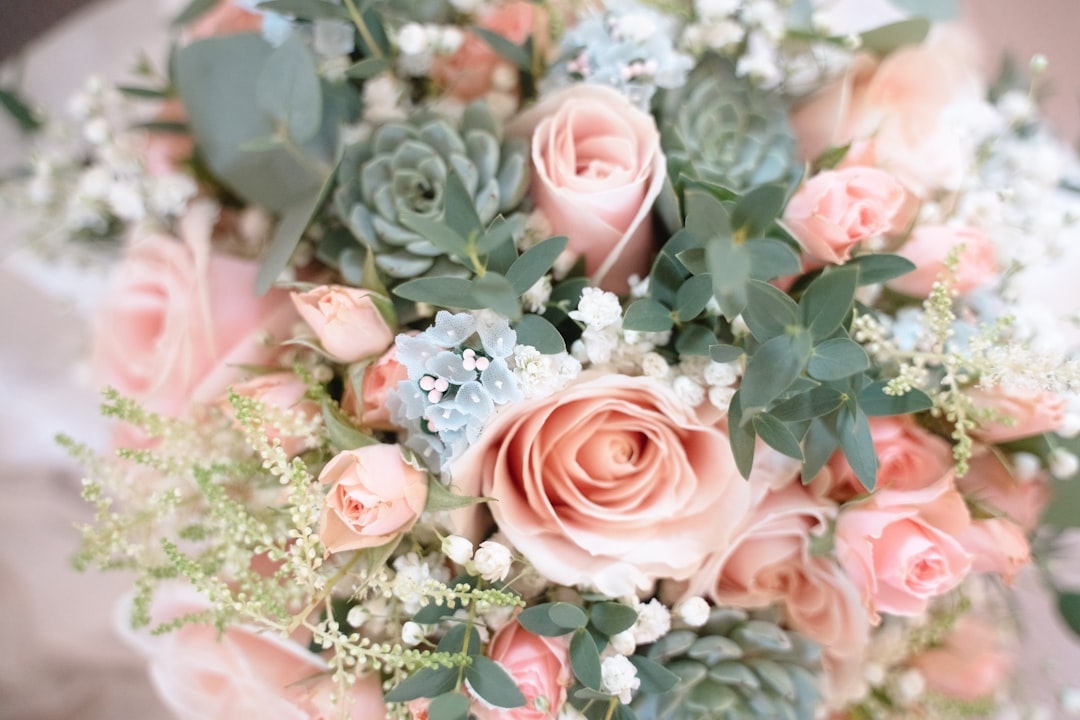
If your heart isn’t set on a single variety, mix in affordable standbys:
- Carnations, mums, alstroemeria, stock: Available year-round, low cost, high impact in volume.
- Greenery: Ruscus, eucalyptus, and ferns reduce the need for pricey blooms.
Offbeat Blooms: Think Local and Wild
Some couples save big by foraging or using wildflowers (with permission!). In states like Colorado, Montana, or Vermont, late summer brings meadows of Queen Anne’s lace, black-eyed Susans, and daisies–many at pennies per stem from local farms.
Pro Tips to Maximize Flower Savings
Be Flexible With Dates and Designs
The more wiggle room, the bigger the bargains. If you can move your wedding a week or two away from peak months, your florist will have more negotiating power.
Order Early and Negotiate With Local Florists
- Lock in pricing: Some florists offer contracts that guarantee prices up to a year out.
- Bulk and package deals: Ask about package discounts for bouquets, centerpieces, and boutonnieres together.
Order Direct From Wholesalers or Online Marketplaces
Services like FiftyFlowers, BloomsByTheBox, and The Bouqs Co. Weddings ship bulk flowers direct to your door. You’ll need to DIY–or hire a designer for arranging–but the markups are often much lower.
Consider Dried or Preserved Flowers
Dried bouquets are trending in 2026 (hello, sustainability!), and costs are steady year-round. Expect to pay 30-50% less for dried arrangements compared to fresh for similar sizes.
Frequently Asked Questions
What month is the cheapest for wedding flowers in the US?
The cheapest months for wedding flowers in the US are typically January, late February (after Valentine’s Day), and August. These months have lower demand, so growers and florists drop prices.
Are flowers more expensive in May or June for weddings?
Yes, May and June are peak months for weddings and major holidays (Mother’s Day, graduations), so flower prices–especially for roses, peonies, and lilies–are at their highest.
What flowers are always affordable, no matter the month?
Carnations, alstroemeria, chrysanthemums, and stock are widely available at low prices year-round. So is greenery like eucalyptus and ruscus.
How much do wedding flowers cost in 2026?
In 2026, the average US couple spends between $2,800-$3,200 on wedding flowers. Saving 20-30% is possible by choosing off-peak dates and in-season blooms.
Can I save money ordering wedding flowers online?
Absolutely! Ordering through US bulk flower suppliers like FiftyFlowers or The Bouqs Co. can save you 10-40% compared to traditional florists, especially if you’re willing to DIY some arrangements.
Action Steps: Secure Affordable Blooms for Your 2026 Wedding
Ready to pocket those flower savings? Start by picking your date in a cheaper month–January, late February, or August are your friends. Give your florist your wishlist, but trust their advice on what’s in season and abundant. And always ask for package or bulk discounts. The more flexible you are–with flowers and timing–the further your budget will stretch.
Bookmark this guide and bring it to your first floral consult. 2026 couples are getting creative with their wedding flowers–and paying less for it. Why not you?

Related Posts
Preserved rose dome brands compared
Field to Vase Dinner Tour explained