The science of why peonies bloom after purchase
Contents:
- Quick Answer: Why Do Peonies Bloom After You Buy Them?
- The Peony’s “Hard Bud” State: Timing is Everything
- Why Are They Sold Closed?
- How Florists Prepare Peonies for Blooming
- Cold Chain and Hydration
- Pro Tricks to Speed Things Up
- The Science Behind Peony Blooming After Purchase
- Hormonal Dynamics
- Vase Chemistry
- Peonies vs. Other Popular Flowers: A Quick Comparison
- The Role of Growers and Seasonality in the US
- Economic Impact
- Storage Innovations
- Maximizing Peony Vase Life at Home
- American Florist Tips: What to Do If Your Peonies Won’t Open
- FAQ
- Why are my peonies not opening after purchase?
- How long does it take for peonies to bloom after being put in water?
- Can I make peonies bloom faster?
- How do florists keep peonies from blooming too soon?
- Are peonies safe for pets?
The Science of Why Peonies Bloom After Purchase
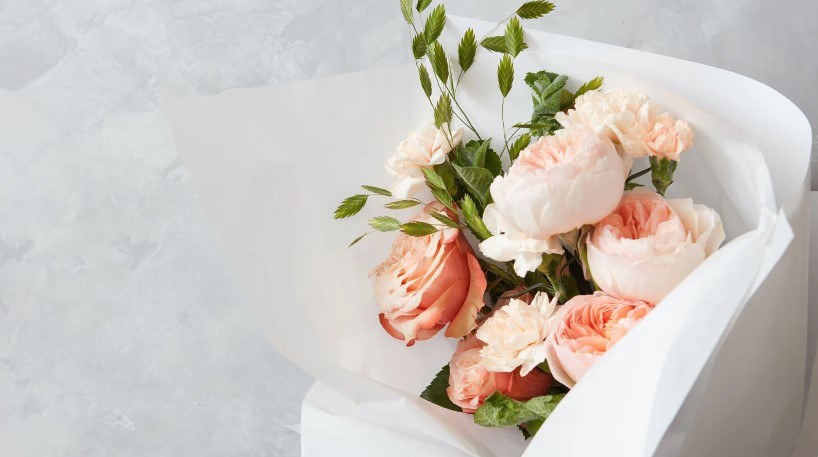
Peonies are notorious scene-stealers. You might pick up a tight bundle at Trader Joe’s or see seductively closed buds in a luxe UrbanStems delivery, only to watch them unfurl overnight into lush, ruffled showpieces. But what’s behind this post-purchase magic? The answer is rooted in botany, a dash of clever floristry, and a unique American demand for big, blooming impact.
Quick Answer: Why Do Peonies Bloom After You Buy Them?
Florists and growers cut peonies while they’re still in bud, just before the petals open. Once in a vase, warm water and room temperature trigger the flower’s natural development hormones, causing the petals to unfurl over a day or two. This technique preserves freshness during shipping and maximizes vase life at home.
The Peony’s “Hard Bud” State: Timing is Everything
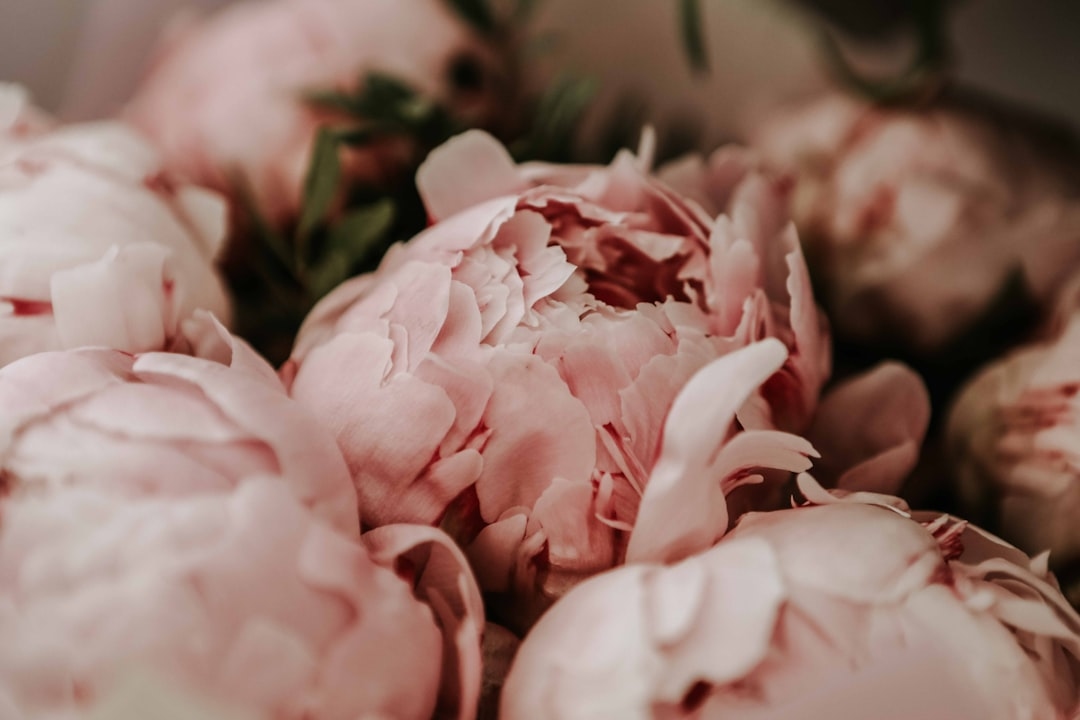
Not all flowers are picked before they’re fully open, but with peonies, timing is crucial. American florists call this the “marshmallow stage”–the bud feels soft when pressed gently, not rock-hard.
Why Are They Sold Closed?
- Shipping survival: Peonies are delicate. Tight buds withstand handling and jostling better than open blooms.
- Vase longevity: Blooms that open post-purchase last longer for the end customer.
- Season extension: Cutting early lets florists and growers refrigerate buds, controlling when the peony season “hits” the market–an industry trick that stretches their availability across late spring and early summer.
According to Andrea Lin, AIFD-certified designer at Blossom & Vine Floral in Chicago, “A peony will often double in size after you put it in water. That’s why a $70 peony bouquet looks dramatically different a day after delivery.”
How Florists Prepare Peonies for Blooming
Imagine the journey: A peony is grown in a field in Oregon, snipped before dawn, chilled, shipped, and arranged in a sunny Brooklyn apartment days later. Each step affects how–and when–the flower blooms for you.
Cold Chain and Hydration
- Cold storage: Fresh peony buds are kept at 33-36°F to pause blooming. This stops the ethylene production that drives petal unfurling.
- Rehydration: Once out of the cooler, stems are trimmed and plunged into warm water. Some pros add flower food with sugar and biocide, which fuels petal expansion and prevents bacteria.
- Room temperature: A peony in a 70°F living room will bloom quickly; below 60°F, it may take twice as long.
Pro Tricks to Speed Things Up
Florists aiming for same-day impact use a few hacks:
- Gently roll buds between palms to loosen petals.
- Briefly dip buds in lukewarm water (not hot!) to stimulate opening.
- Remove some outer sepals (“guard petals”) to let inner layers unfurl.
<blockquote>
A closed peony in the morning will often be a wide, ruffled explosion by dinner.
</blockquote>
The Science Behind Peony Blooming After Purchase
All flower blooms are triggered by plant hormones, but peonies are particularly sensitive to temperature and hydration. The cold storage industry (valued at $9.2 billion in the US in 2026, IBISWorld) has shaped how peonies are distributed and enjoyed nationwide.
Hormonal Dynamics
- Gibberellins stimulate cell elongation and petal movement–these are released after the chill is removed.
- Ethylene promotes ripening and bloom but is suppressed by cold. Warming the stem after purchase releases a burst, which accelerates opening.
Vase Chemistry
- Peonies are sensitive to bacteria. Dirty vases, or water left unchanged, dramatically shorten their bloom window.
- Floral preservatives (like those little packets in grocery bouquets) contain sugar for energy and bleach for cleanliness.
Peonies vs. Other Popular Flowers: A Quick Comparison
| Flower | Typically Sold As | Opens After Purchase? | Blooming Duration (Vase, Days) | Prep Hacks Needed? |
|---|---|---|---|---|
| Peonies | Tight bud | Yes | 5-7 | Yes |
| Roses | Partially open | Yes | 7-10 | Some |
| Tulips | Just open | A little | 5-7 | Minimal |
| Lilies | Closed/open mix | Yes | 7-14 | Yes |
| Daisies | Fully open | No | 7+ | No |
The Role of Growers and Seasonality in the US
In the US, the main peony season runs May to early July, with domestic growers in Alaska, Michigan, and the Pacific Northwest dominating supply. Off-season blooms are imported from Chile or New Zealand, often at a 30-50% higher price due to extra handling and customs delays.
Economic Impact
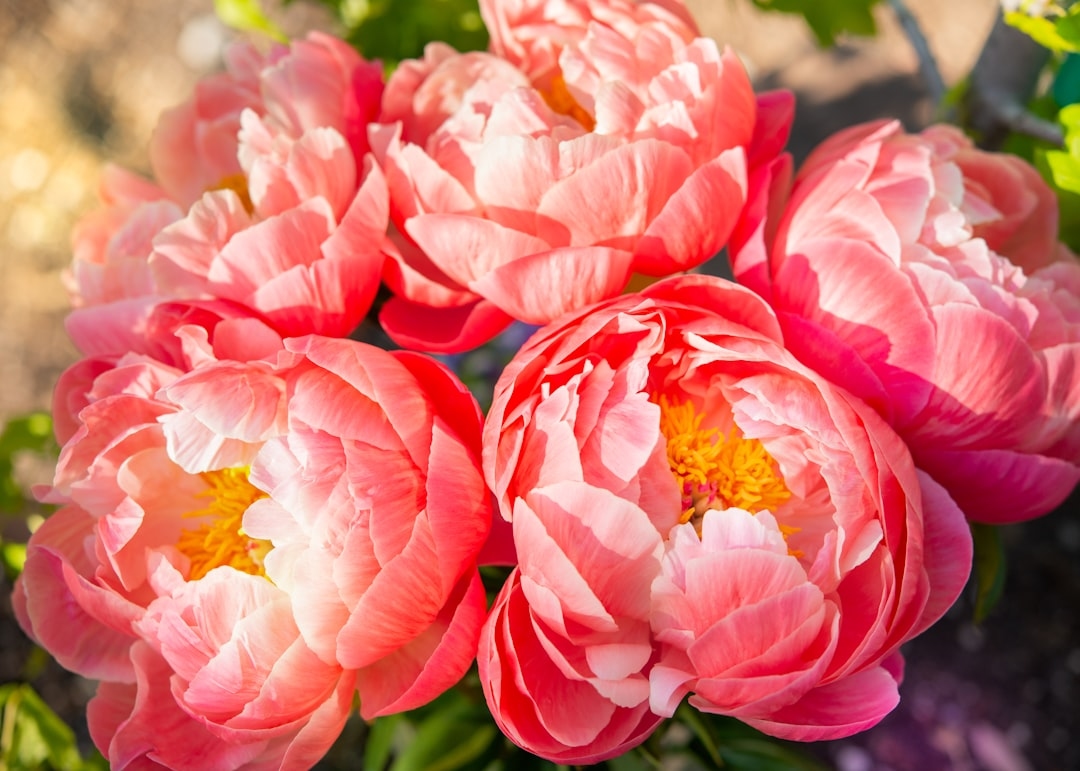
According to the Society of American Florists, peonies now outsell carnations 2:1 for Mother’s Day arrangements (2026 data), thanks to their dramatic blooming and Instagram appeal.
Storage Innovations
Some US growers use “dry storage” techniques–vacuum sealing buds–so peonies can appear on February wedding tables even in frosty Boston.
Maximizing Peony Vase Life at Home
Your actions matter once peonies arrive. To help them bloom beautifully and last as long as possible:
- Trim stems by 1-2 inches at an angle under running water.
- Place in a clean vase with fresh, room-temperature water and flower food.
- Change water daily. Peonies “drink” fast–don’t let them go dry.
- Avoid direct sunlight and fruit bowls (ripening fruit gives off ethylene).
- To speed blooming, keep flowers in a warm room. To slow, move them somewhere cool overnight.
American Florist Tips: What to Do If Your Peonies Won’t Open
Some peonies are stubborn. If buds stay closed for more than 48 hours:
- Gently peel away the outermost guard petals–they can be sticky.
- Rinse buds under lukewarm water to dissolve any natural sugars (“sap”) sealing them.
- Try the “warm room” trick: move the vase to a cozy spot, but not in direct sun.
- As a last resort, float the buds (upside down) in a bowl of tepid water for 10 minutes.
FAQ
Why are my peonies not opening after purchase?
Peony buds may stay closed if they were picked too early, stored too cold for too long, or are dehydrated. Try trimming the stems, refreshing the water, and placing them in a warm room. Gently washing off sticky sap and removing guard petals can also help.
How long does it take for peonies to bloom after being put in water?
Most peony buds open within 24 to 48 hours at typical room temperature (68-72°F). Smaller or tighter buds might take up to three days, especially if kept in a cooler room.
Can I make peonies bloom faster?
Yes! Place them in a warm room, change the water daily, and use floral food. For a rapid bloom, try floating the buds in lukewarm water or gently rolling them to loosen the petals.
How do florists keep peonies from blooming too soon?
Florists use low-temperature storage (33-36°F) and limit exposure to light. Some large US wholesalers also use vacuum-sealing to delay blooming for weeks.
Are peonies safe for pets?
Peonies are mildly toxic to cats and dogs. They may cause vomiting if ingested, according to the ASPCA. Keep arrangements out of reach of curious pets.
Next time you bring home a bunch of shy, green peony buds, you’ll know: the real show is about to begin, all because of some clever science and a bit of florist know-how. For added wow-factor, experiment with your own blooming technique–hone your timing, try a few hacks, and share your results with friends. The more you know about peony care, the more stunning your vases will be.

Related Posts
Preserved rose dome brands compared
Field to Vase Dinner Tour explained