Low-allergen substitutes for fragrant favorites
Contents:
- What Are the Best Low-Allergen Flowers to Replace Highly Fragrant Favorites?
- Why Fragrant Flowers Trigger Allergies (and Who Should Care)
- Smart Substitutes for Popular Fragrant Flowers
- Lilies
- Gardenias & Jasmine
- Traditional Roses
- Daisies, Mums, and Sunflowers
- Side-by-Side: High-Allergen vs. Low-Allergen Flowers
- Tricks for an Allergy-Friendly Bouquet
- Go Green and Get Creative
- Careful Conditioning
- Allergy-Friendly Flower Arrangements: Real-Life Examples
- Pull Quote
- Quick-Reference: Best Low-Allergen Flower Picks
- Frequently Asked Questions
- Are there any truly hypoallergenic flowers?
- Can removing the stamens from flowers like lilies make them allergy-safe?
- Which common bouquet fillers should allergy sufferers avoid?
- Are low-allergen flowers more expensive?
- How should I care for allergy-friendly flowers to keep them fresh?
Low-Allergen Substitutes for Fragrant Favorites
The annual pollen count in the US is climbing. In 2026, allergy sufferers are facing longer, stronger seasons of sniffles, thanks to climate change and urban landscapes packed with high-pollen trees and flowers. Yet, for many, fresh-cut flowers remain a must-have–on kitchen tables, at weddings, for birthdays, or just to brighten a work-from-home desk. Does loving flowers mean endless sneezing? Not at all. And you don’t have to settle for bland arrangements, either.
What Are the Best Low-Allergen Flowers to Replace Highly Fragrant Favorites?
For people sensitive to floral allergens or strong fragrances, several beautiful flower varieties make excellent substitutes for classics like lilies, roses, and gardenias. Swap high-pollen blooms (and pollen bombs) for lower-pollen, hypoallergenic options:
- Instead of lilies: Try orchids, anthuriums, or snapdragons.
- Instead of highly scented roses: Go for Asiatic lilies (non-fragrant), tulips, or ranunculus.
- Instead of gardenias or jasmine: Use hydrangeas, lisianthus, or alstroemeria.
- Instead of daisies: Opt for camellias or pansies.
Look for double-flowered hybrids, as their extra petals often trap pollen or render the bloom sterile–great news for noses.
Why Fragrant Flowers Trigger Allergies (and Who Should Care)
It isn’t always the strongest-smelling flowers that set off allergies. What matters most is pollen type, quantity, and how it’s spread. Dr. Lisa Strom, a board-certified allergist in Boston, explains:
“The real culprits are wind-pollinated species with loose, lightweight pollen. Think daisies, chrysanthemums, and wildflowers. Cut flowers bred for show, not scent, are often much safer.”
People most at risk include:
- Seasonal allergy sufferers
- Asthma patients
- Children and seniors
- Pet owners (yes, some pets react too)
Florists in the US–like Bouqs, UrbanStems, and local independents–now highlight hypoallergenic options for customers in major allergy-prone cities like Dallas, Atlanta, and Sacramento.
Smart Substitutes for Popular Fragrant Flowers
Certain flowers are crowd-pleasers for their beauty and scent, but they’re notorious for triggering symptoms. Here’s how to swap them out creatively.
1. Lilies
Why avoid: Lilies (especially white and Oriental types) shed clouds of pollen and pack an intense fragrance.
Low-allergen alternatives:
- Anthuriums: Sleek, modern, and pollen-free.
- Snapdragons: Tall spikes with dense blooms; little airborne pollen.
- Orchids: Virtually scentless and pollen is sticky, not airborne.
Pro tip: Florists like Farmgirl Flowers recommend removing lily stamens (those dusty orange bits) if you must use lilies–but even then, some residual pollen lingers.
2. Gardenias & Jasmine
Why avoid: Both release strong, sweet perfumes and can be overwhelming in small spaces.
Low-allergen alternatives:
- Hydrangeas: Big, lush balls of color with minimal scent or pollen release.
- Lisianthus: Rose look-alikes, but scentless and allergy-friendly.
- Alstroemeria (Peruvian lily): Long-lasting, no-fuss, low-scent.
3. Traditional Roses
Why avoid: Old garden roses and some modern hybrids pump out scent–and pollen.
Low-allergen alternatives:
- Tulips: Crisp, clean lines, minimal scent, pollen rarely escapes.
- Ranunculus: Multi-petaled, romantic, almost no scent.
- Modern rose varieties: Some US greenhouse-growers breed roses specifically for longevity, not fragrance (ask for florists’ “florist’s roses” or “scentless roses”).
“Double-flowered tulips replaced half of our wedding orders last spring,” says Alex Tan, head designer at Magnolia & Main, a San Francisco boutique. “They last longer and guests don’t complain about headaches or hives.”
4. Daisies, Mums, and Sunflowers
Why avoid: Their fine pollen is windborne and highly allergenic.
Low-allergen alternatives:
- Camellias: Glossy, rose-shaped blooms, no scent, pollen stays put.
- Pansies and violas: Compact, cheerful, and allergy-friendly.
- Carnations (Dianthus): No airborne pollen, soft spicy scent.
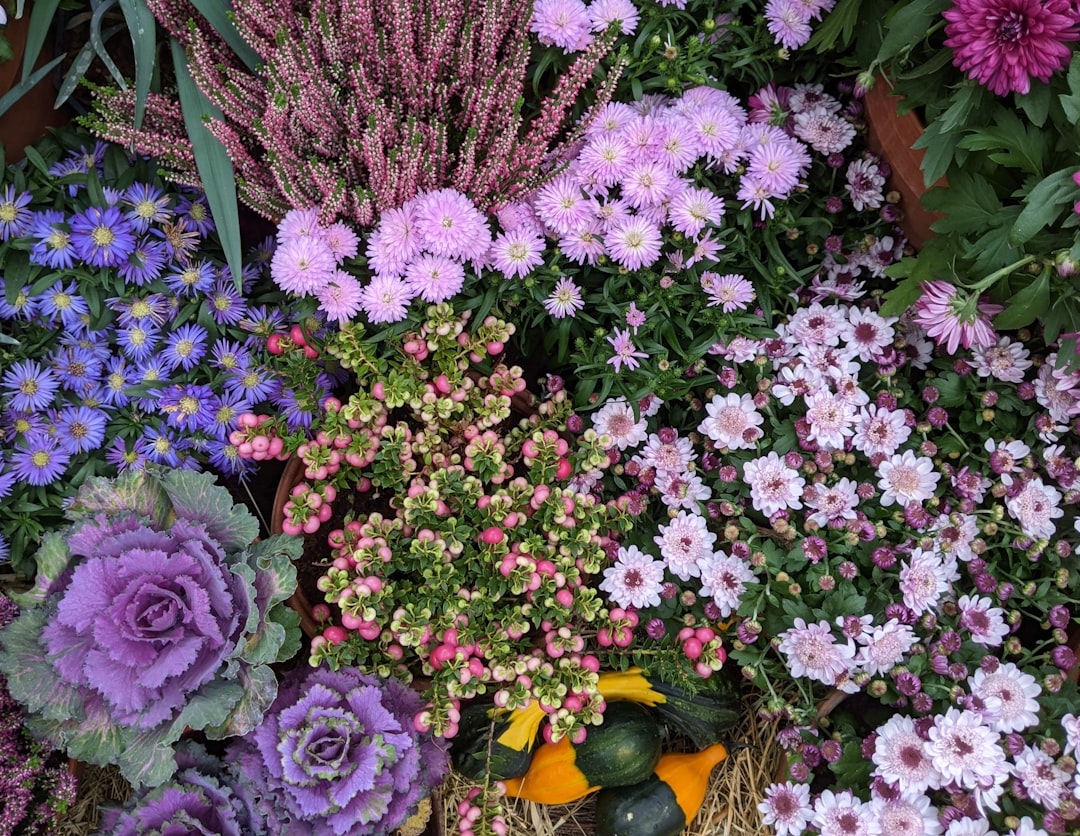
Side-by-Side: High-Allergen vs. Low-Allergen Flowers
| High-Allergen Favorite | Why They’re a Problem | Low-Allergen Substitute | Why It’s Better |
|---|---|---|---|
| Lilies (Oriental) | Airborne pollen, strong scent | Orchids | No scent, sticky pollen |
| Daisies (Asters) | Loose pollen, windborne | Camellias | Pollen held tight |
| Gardenias | Heavy perfume | Hydrangeas | Minimal scent, sticky pollen |
| Old Garden Roses | Scent/pollen combo | Ranunculus | Hardly any scent |
Tricks for an Allergy-Friendly Bouquet
Go Green and Get Creative
- Choose more greenery: Ferns, eucalyptus (small doses), ruscus, or dusty miller add volume and texture without allergens.
- Opt for double blooms: Peonies, double tulips, and double begonias often have little to no pollen.
- Skip Baby’s Breath: Despite its pretty look, it’s a sneaky trigger.
“Foliage-driven arrangements are having a moment in 2026,” shares Jenna Wu, head buyer at UrbanStems. “It’s all about textures and subtlety.”
Careful Conditioning
- Wash or gently shake flowers: Before arranging, to remove surface pollen.
- Keep flowers cool: Heat makes fragrance and pollen more intense.
- Change water daily: Reduces mold, which can also irritate allergies.
- Display away from fans or AC vents: Reduces pollen spread.
Allergy-Friendly Flower Arrangements: Real-Life Examples
- Mother’s Day 2026: Bouqs’ “Calm Collection” (orchids, ranunculus, eucalyptus) sold out in 42 states.
- Wedding trends: Nearly 1 in 3 US weddings now request hypoallergenic designs, per a 2025 report by the American Institute of Floral Designers.
- Corporate offices: Anthurium and peace lily are taking over cubicles from daisies and mums, according to FTD’s trend forecast.
Pull Quote
“You don’t have to choose between breathing easy and loving your flowers. The right substitutions make all the difference.”
– Dr. Lisa Strom, Allergy Specialist
Quick-Reference: Best Low-Allergen Flower Picks
- Orchids
- Anthuriums
- Hydrangeas
- Camellias
- Snapdragons
- Lisianthus
- Tulips
- Ranunculus
- Peonies
- Carnations
Frequently Asked Questions
Are there any truly hypoallergenic flowers?
Yes, several flowers are considered hypoallergenic because they produce little to no pollen that’s airborne. Orchids, hydrangeas, anthuriums, and some types of tulips are among the safest bets for allergy-prone individuals.
Can removing the stamens from flowers like lilies make them allergy-safe?
Removing stamens does reduce exposed pollen in lilies but doesn’t eliminate all allergenic particles or scent. Sensitive individuals may still react, so choosing naturally low-pollen flowers is safer.
Which common bouquet fillers should allergy sufferers avoid?
Steer clear of baby’s breath, some grasses, and certain eucalyptus varieties. These fillers can release fine particles or strong scents, making symptoms worse for some people.
Are low-allergen flowers more expensive?
Not always. Pricing depends on the season and source. For example, in April 2026, a dozen ranunculus stems at Trader Joe’s cost $12.99, about the same as standard roses. Local US florists may charge a premium only for more exotic imports like orchids.
How should I care for allergy-friendly flowers to keep them fresh?
Change water daily, trim stems at an angle, keep arrangements away from direct heat, and remove any wilted blooms promptly. These steps also minimize mold and pollen build-up.
For anyone decorating, gifting, or just longing for a vase of blooms at home this season, focus on flowers bred for beauty, not just scent. Ask your local florist about low-allergen swaps (they’ll probably thank you), try new varieties, and breathe easy. The future of floristry looks bright–and a lot less sneezy.

Related Posts
Preserved rose dome brands compared
Field to Vase Dinner Tour explained