Flowers that won’t drop pollen on white tablecloths
Contents:
- Which Flowers Won’t Drop Pollen on White Tablecloths? (Quick Guide)
- Understanding Pollen Shedding in Cut Flowers
- Why Is Pollen a Problem?
- Types of Flowers by Pollen Dispersion
- The Top Pollen-Free Flower Choices
- Orchids (Phalaenopsis, Cymbidium, Dendrobium)
- Hydrangeas
- Carnations
- Calla Lilies
- Ranunculus
- Anthuriums
- Flowers to Avoid on Pristine Tablecloths
- Can You Make Pollen-Heavy Flowers Tablecloth-Safe?
- Removing Stamens
- Opt for “Double” or Hybrid Varieties
- Pollen-Free American Arrangements: Style Tips
- Mix Textures and Forms
- Go Monochrome for Impact
- Use Statement Vessels
- Ordering Pollen-Safe Flowers Online (US Guide)
- Pull-Quote
- FAQ: Flowers That Won’t Drop Pollen on White Tablecloths
- What flower has the least pollen for centerpieces?
- Which common wedding flowers are safest for white linens?
- How can I prevent pollen stains if I want to use lilies?
- Are any lilies truly pollen-free?
- Do tulips drop much pollen?
- Elevate Your Next Table Setting–Stress-Free
Flowers That Won’t Drop Pollen on White Tablecloths
Imagine this: Sunday brunch is in full swing, the mimosas sparkle in crystal glasses, and a cascade of creamy white flowers arcs across your table. Guests lean in, admiring the centerpiece–only for someone to brush a sleeve against a lily, smearing yellow pollen across your linens. Disaster. For home entertainers and florists alike, pollen-staining blooms are the stealthy nemesis of every pristine tablecloth.
Staying pollen-free is less about luck and more about knowing which flowers play nicely with your table settings. In 2026, with the return of in-person gatherings and an uptick in sophisticated home dining (Americans spent $7.3 billion on cut flowers last year, IBISWorld reports), keeping your tablescapes spotless is non-negotiable.
Which Flowers Won’t Drop Pollen on White Tablecloths? (Quick Guide)
Here’s a fast, direct answer for anyone in a rush:
Best flowers that won’t drop pollen on white tablecloths include: orchids, hydrangeas, roses (with stamens removed), calla lilies, carnations, ranunculus, anthuriums, and certain tulips.
Look for varieties with either hidden, minimal, or no exposed pollen.
| Flower Type | Pollen Risk | Notes |
|---|---|---|
| Orchids | Very Low | Pollen kept inside column, rarely sheds |
| Hydrangeas | None | Sterile florets, no visible pollen |
| Carnations | Very Low | Minimal, hidden pollen |
| Calla Lilies | Low | Pollen inside tight spadix |
| Ranunculus | Low | Densely petaled, pollen rarely drops |
| Anthuriums | Very Low | Waxy, contained spadix |
| Roses* | Low* | Remove stamens for safety |
| Tulips* | Medium* | Best if stamens are removed |
“For guaranteed stain-free centerpieces, our studio always recommends orchids and anthuriums–they’re elegant and virtually pollen-proof,” says Maggie Lee, AIFD-certified florist and owner of Pollen & Stem, Los Angeles.
Understanding Pollen Shedding in Cut Flowers
Not all flowers are created equal when it comes to pollen. Some drop clouds of yellow dust at the slightest nudge. Others? Their pollen is hidden so well, you’ll never see it, let alone wear it.
Why Is Pollen a Problem?
Pollen isn’t just a hay fever trigger. The fine, pigmented powder stains fabric instantly, especially on light linen or cotton table covers. Flowers like Asiatic lilies and sunflowers are notorious for leaving behind smears that even the best stain removers struggle to erase. According to Jenn Ruiz, textile conservator at The Chicago Clothworks, pollen is “one of the top three toughest stains to remove from natural fiber textiles, right after red wine and turmeric.”
Types of Flowers by Pollen Dispersion
- Exposed pollen: Lilies, Oriental lilies, sunflowers, amaryllis, and chrysanthemum frequently shed visible, powdery pollen.
- Hidden/contained pollen: Orchids, hydrangeas, anthuriums, carnations, ranunculus, and some tulip varieties keep their pollen inside closed or waxy floral parts.
The Top Pollen-Free Flower Choices
Some flowers are naturally tailored for mess-free, sophisticated arrangements–even in the busiest event settings.
1. Orchids (Phalaenopsis, Cymbidium, Dendrobium)
Orchids almost never pose a pollen problem for tablecloths. The pollen is held tightly inside a structure called the column and isn’t shed by wind or touch. Their architectural beauty also feels at home in everything from minimalist dinner parties to wedding receptions.
Price Guide (2026):
- Phalaenopsis stems (wholesale): $5-$9/stem
- Premium arrangements from UrbanStems or The Bouqs Co.: $48-$110+
2. Hydrangeas
Hydrangea blooms are made up of clusters of sterile florets–meaning no visible pollen at all. They last well in water, fill space beautifully, and pair easily with other pollen-safe blooms.
- Fact: Hydrangeas made up 12% of all wedding centerpieces in major US cities last year (WeddingWire survey, 2026).
3. Carnations
Often underrated, but carnation pollen is tucked neatly within the petals. Modern varieties, like ‘Moonlite’ and ‘Caramel Fiesta’, offer subtle fragrance and bold colors without the mess.
4. Calla Lilies
Calla lilies possess a singular spadix (the yellow “wand”) inside a smooth, petal-like spathe. Most pollen stays attached and isn’t dusted off by movement. These blooms last 7-12 days, making them a reliable option for long events.
5. Ranunculus
Ranunculus boasts multi-layered petals that shield its central stamens. Pollen drop is minimal to non-existent, and the ruffly look is on-trend in 2026 for farmhouse and romantic tables.
6. Anthuriums
Anthuriums, or “flamingo flowers,” have waxy, heart-shaped spathes and a thick central spadix. Their pollen is sticky and stays put, never falling onto fabrics.
Flowers to Avoid on Pristine Tablecloths
Some blooms are best admired outdoors or in arrangements away from delicate linens.
- Lilies (especially Asiatic, Oriental, Stargazer): Major pollen offenders. Pollen is prolific and vibrant yellow or orange.
- Sunflowers: Thick, visible pollen that easily falls and stains.
- Chrysanthemums: Many large mums shed pollen as blooms age.
- Amaryllis: Tall, dramatic, but notorious pollen distributors.
- Alstroemeria: Pollen is easily knocked loose from the stamens.
According to Mary Shaw, lead florist at Brooklyn’s Tabletop Blooms, “Removing the pollen from a lily is like playing Operation–you can do it, but it’s risky for the bloom’s longevity.”
Can You Make Pollen-Heavy Flowers Tablecloth-Safe?
For those who can’t resist the drama of lilies or sunflowers, there’s hope–if you plan ahead.
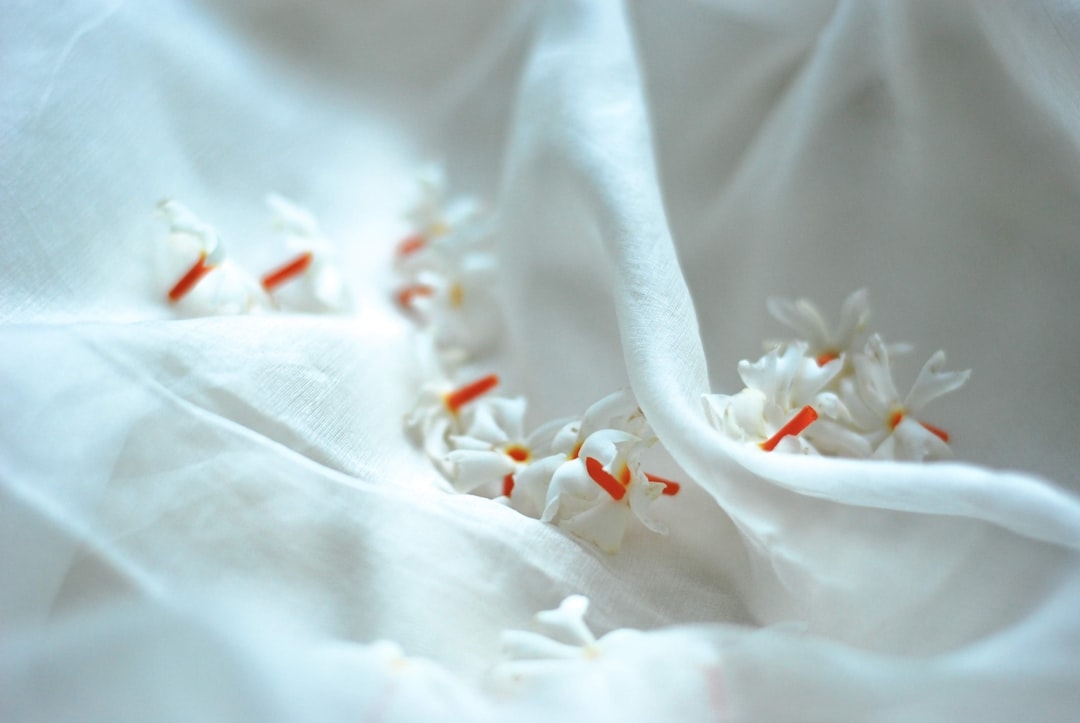
Removing Stamens
Many US florists, including high-end services like Farmgirl Flowers, will custom-strip stamens from lilies and tulips if requested. DIYers can use small scissors or tweezers, snipping stamens off before the flower fully opens. Wear gloves: pollen stains skin as much as table linens.
Pros:
- Preserves bloom shape
- Reduces stain risk by 90% (source: American Horticultural Society, 2025)
Cons:
- May shorten bloom life by 1-2 days
- Can bruise petals if done carelessly
Opt for “Double” or Hybrid Varieties
Some newer double-flowered lilies (‘Roselily’ series) are bred without prominent stamens. These are sometimes called “pollen-free lilies” at US supermarkets like Trader Joe’s and Whole Foods.
Pollen-Free American Arrangements: Style Tips
Stain-resistant arrangements are no longer boring or limited. The trend in 2026 leans toward tone-on-tone designs, lush texture, and sustainable sourcing.
Mix Textures and Forms
Pair smooth anthuriums with papery hydrangeas and frilly ranunculus for modern tablescapes. Add textural foliage like ruscus or silver eucalyptus for movement, minus the shed.
Go Monochrome for Impact
All-white or soft pastel palettes look fresh and minimize the visual risk of any stray pollen. Hydrangeas and roses (with stamens removed) are the white-tablecloth power duo.
Use Statement Vessels
Large, low bowls or sculptural ceramic vases keep blooms contained and less likely to move or shed.
“Our top client requests in spring 2026 are for hydrangea-carnation centerpieces with no chance of staining their antique linens,” says Noah Greenblatt, events designer at Manhattan’s Lilac Lane.
Ordering Pollen-Safe Flowers Online (US Guide)
Most major US flower delivery services offer pollen-free selections–if you know what to ask for.
- UrbanStems: “Modern Orchids” arrangements, $68-$120, delivered next day in most cities.
- The Bouqs Co.: Hydrangea, ranunculus, and carnation bouquets; filter by “low-pollen” option.
- FTD: Custom orders–request pollen-free arrangements for weddings and events.
- Farmgirl Flowers: “Lily-free” and “no-mess” centerpiece lines for 2026.
When ordering, add a note to your florist or in the online notes section: “Please use only low-pollen or pollen-free flowers; no lilies or sunflowers.”
Pull-Quote
“A single stem of Stargazer lily can ruin a $100 tablecloth in seconds. I always steer clients to hydrangeas or callas when white linens are involved.” – Maggie Lee, AIFD, Pollen & Stem
FAQ: Flowers That Won’t Drop Pollen on White Tablecloths
What flower has the least pollen for centerpieces?
Orchids and hydrangeas are top choices. Their pollen is hidden or non-existent, posing almost zero risk of dropping onto tablecloths.
Which common wedding flowers are safest for white linens?
Hydrangeas, carnations, ranunculus, and roses (with stamens removed) are common wedding flowers that won’t drop pollen and stain linens.
How can I prevent pollen stains if I want to use lilies?
Gently snip or pull stamens out of the lily before it fully opens. Many florists offer pre-stripped lilies, or choose “pollen-free” double lily hybrids.
Are any lilies truly pollen-free?
Yes, some varieties like the ‘Roselily’ series are bred without exposed stamens and are marketed as pollen-free lilies across the US in 2026.
Do tulips drop much pollen?
Standard tulips can drop pollen, but the risk is lower than with lilies. Removing the central stamens before the bloom fully opens makes them much safer for white tablecloths.
Elevate Your Next Table Setting–Stress-Free
Stains shouldn’t be part of your tablescape story. With the right flower choices–or a simple tweak to your lilies and tulips–you’ll keep your white tablecloths picture-perfect, even after the last guest leaves. Next dinner, try a cloud of hydrangeas or a modern orchid arrangement. Your linens will thank you. And your guests will remember the flowers–not the stains.

Related Posts
Preserved rose dome brands compared
Field to Vase Dinner Tour explained