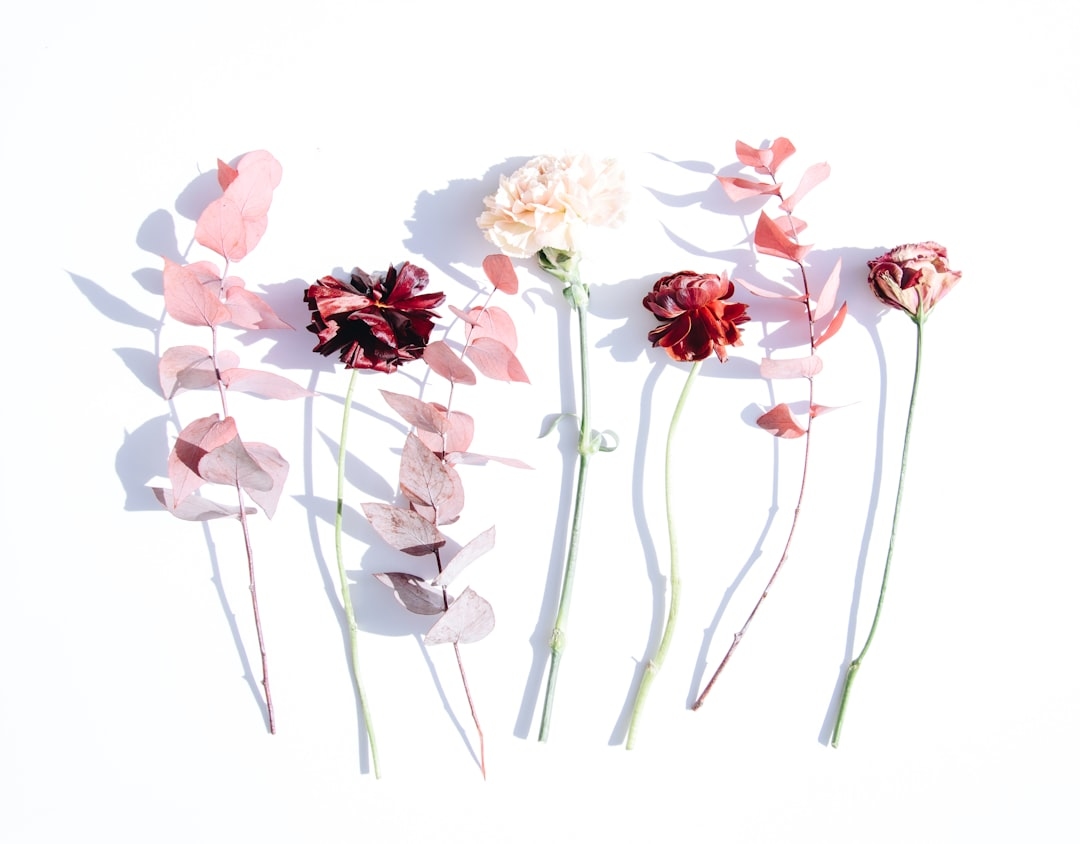
The psychology of color in floral arrangements
Contents:
- How Does Color Influence Emotion in Floral Arrangements?
- The Science Behind Floral Colors and Mood
- Why Color Matters More Than You Think
- Cultural Overlays in the US
- How Florists Use Color Theory to Build Arrangements
- Key Concepts in Florist Color Design
- Real-World Examples: How Color Choices Speak Volumes
- Case Study: Valentine’s Day 2026
- Sympathy and Get-Well Flowers
- Pull-Quote
- Common Color Messages in US Floristry
- Quick Reference: What Popular Flower Colors Mean
- How to Choose the Right Color Palette for Your Arrangement
- Consider the Occasion
- Think About the Recipient
- Seasonality Matters
- Budget Impacts Color Choices
- Popular US Flower Delivery Services and Color Options
- Expert Tips: Using Color to Set a Mood
- For a Relaxing Home Vibe
- For Motivation or Focus
- For Romance and Intimacy
- List: Top Mood-Boosting Flower Combos
- Color Trends in US Floristry – 2026 and Beyond
- Emerging Color Psychology Insights
- FAQ: The Psychology of Color in Floral Arrangements
- How do colors in floral arrangements affect mood?
- What flower colors are best for sympathy or hospital arrangements?
- Do cultural differences impact flower color meanings in the US?
- Why are some flower colors more expensive?
- Can I request a custom color combo from online flower shops?
The Psychology of Color in Floral Arrangements
A simple bouquet can spark emotion in seconds–joy, nostalgia, calm, even hope. But why do some arrangements feel soothing while others energize? The secret lies in the psychology of color. From wedding centerpieces to get-well bouquets, the hues you choose shape how recipients respond, often before a single word is exchanged.
How Does Color Influence Emotion in Floral Arrangements?
Color triggers emotional and psychological reactions. In floral arrangements, this means red roses boost excitement, blue hydrangeas create calm, and yellow sunflowers spark cheerfulness. Studies, like the 2024 University of Kentucky report on hospital well-being, show that patients exposed to warm-colored blooms (reds/yellows) reported a 23% faster mood improvement over those given cool-hued bouquets.
Key effects:
- Red: Excitement, passion, energy
- Pink: Affection, sweetness, tenderness
- Yellow: Happiness, optimism, cheer
- Orange: Enthusiasm, warmth, encouragement
- Blue: Serenity, relaxation, trust
- Purple: Luxury, creativity, dignity
- White: Purity, peace, new beginnings
- Green: Renewal, balance, harmony
Florists use these color responses to craft purposeful arrangements for birthdays, anniversaries, sympathy, and beyond.
The Science Behind Floral Colors and Mood
Back in 2022, Dr. Georgia Bertram, a floral psychologist (yes, that’s a thing!) at the American Institute of Horticultural Therapy, found that color accounts for up to 65% of a floral gift’s emotional impact. Color perception happens instantly, with our brains hardwired to associate certain hues with feelings or memories.
Why Color Matters More Than You Think
Color is the first thing your eyes process–before shape, size, or even scent. For someone receiving flowers through services like UrbanStems or 1-800-Flowers, that first visual impression matters, especially when many US consumers now choose online bouquets based on photos.
Cultural Overlays in the US
American color symbolism shapes expectations: red roses for romance, white lilies for remembrance, blue blooms for sympathy. However, cultural backgrounds can influence feelings about color, so savvy florists consider recipient context. For example, while white is peace in the US, it’s more associated with mourning in parts of Asia.
How Florists Use Color Theory to Build Arrangements
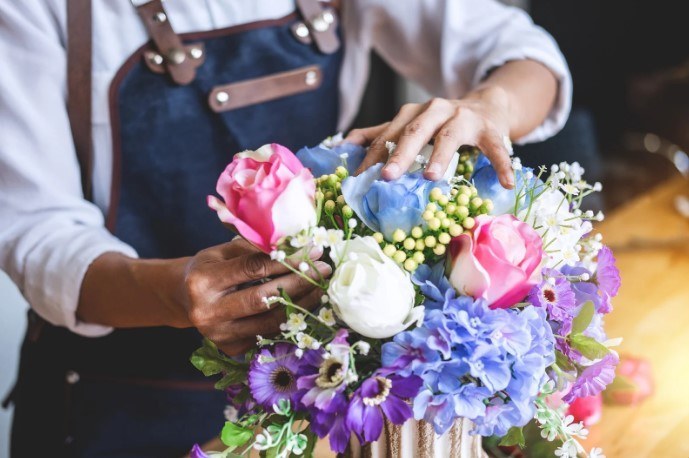
Professional florists don’t just pick what’s pretty. They apply color theory–tools like the color wheel, balance, and contrast–to guide their creative process and influence client satisfaction.
Key Concepts in Florist Color Design
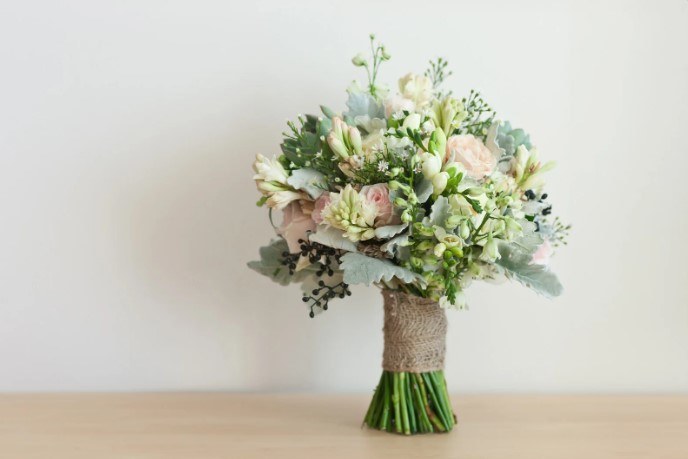
- Monochromatic Arrangements: Different shades of one color. Sophisticated and calming–think all-white wedding flowers.
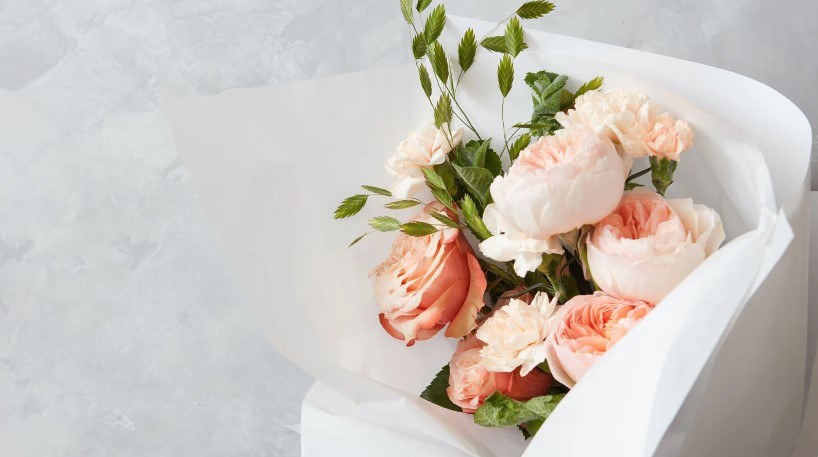
- Analogous Arrangements: Neighbors on the color wheel, like orange, peach, and yellow. Feels harmonious and warm.
- Complementary Arrangements: Opposites attract! Blue and orange or yellow and purple. Bold contrasts demand attention.
- Triadic Harmony: Three evenly spaced colors (e.g., red, yellow, blue). Vibrant and energetic.
Table: Common Color Schemes in US Floral Design
| Scheme | Example Flowers | Emotional Tone | Typical Occasions |
|---|---|---|---|
| Monochromatic | White roses, calla lilies, peonies | Serene, elegant | Weddings, sympathy |
| Complementary | Blue hydrangeas, orange gerberas | Bold, lively | Birthdays, celebrations |
| Analogous | Pink roses, red tulips, purple lisianthus | Romantic, cohesive | Anniversaries, Valentine’s |
| Triadic | Yellow sunflowers, blue delphinium, red roses | Fun, energetic | Parties, baby showers |
Real-World Examples: How Color Choices Speak Volumes
Case Study: Valentine’s Day 2026
Americans spent an estimated $2.4 billion on flowers for Valentine’s Day in 2026 (National Retail Federation). Red roses dominated, but interestingly, mixed bouquets with purple (luxury) and pink (affection) outsold monochromatic reds in major US cities like New York and Los Angeles by 17%, according to BloomNation analytics.
“We’re seeing modern clients request arrangements with nuanced color stories–blending peach for gratitude and coral for playfulness–not just the traditional reds and whites,” says Marisol Jenkins, head designer at Atlanta’s Blossom & Vine Florist.
Sympathy and Get-Well Flowers
Paler pinks, blues, and whites are preferred for hospital deliveries via FTD or ProFlowers. Why? According to a 2025 survey by the American Hospital Association, 72% of hospital patients found pastel bouquets more comforting than bright, saturated colors. Florists factor in recipient sensitivities and institutional policies favoring low-allergen blooms in gentle hues.
Pull-Quote
“A bouquet’s colors can speak what words can’t–from sharing in someone’s joy to quietly saying ‘I’m here’ during sorrow.” – Lena Guerrero, Certified Master Florist, Seattle
Common Color Messages in US Floristry
Quick Reference: What Popular Flower Colors Mean
- Red: Love, respect, courage
- Pink: Gratitude, admiration, gentleness
- Yellow: Friendship, success, joy
- Orange: Confidence, passion, enthusiasm
- Blue: Peace, trust, calm
- Purple: Admiration, accomplishment, dignity
- White: Remembrance, purity, sympathy
- Green: Health, resilience, good luck
How to Choose the Right Color Palette for Your Arrangement
Consider the Occasion
- Romantic: Reds, pinks, purples (think garden roses, ranunculus, peonies)
- Birthday: Vibrant mixes–yellows, oranges, blues (sunflowers, delphinium, tulips)
- Sympathy: Soft whites, blues, greens (lilies, snapdragons, eucalyptus)
- Celebratory: Bold contrasts (yellow and purple or blue and orange)
Think About the Recipient
Does your friend love sunny, energetic spaces or calming neutrals? Personal taste trumps tradition–always ask if possible.
Seasonality Matters
Some flowers, such as anemones or dahlias, are only available in certain seasons, influencing color options. For example, deep burgundy dahlias peak in late summer/fall, perfect for richer autumnal palettes.
Budget Impacts Color Choices
Rarer colors can cost more. Blue roses, for example, are tinted artificially and can run $5-$7 per stem at high-end shops like UrbanStems in 2026, compared to $2-$3 for classic reds.
Popular US Flower Delivery Services and Color Options
| Service | Unique Color Offerings | Price Range USD (2026) |
|---|---|---|
| UrbanStems | Trendy, bold palettes | $58-$150 |
| 1-800-Flowers | Classic, wide selection | $40-$175 |
| The Bouqs Co. | Farm-fresh, custom colors | $50-$115 |
| ProFlowers | Pastel, seasonal blends | $42-$130 |
Expert Tips: Using Color to Set a Mood
For a Relaxing Home Vibe
Go for blues and greens. A 2026 study by the National Gardening Association found that Americans with blue-green arrangements in their living rooms reported a 19% increase in perceived calm.
For Motivation or Focus
Place orange and yellow flowers on your work desk. According to floral designer Tara Kim (AIFD), these hues “naturally energize a space–great for home offices.”
For Romance and Intimacy
Deep reds and sultry purples. Pairing textures like velvety red roses with glossy anemones intensifies the mood.
List: Top Mood-Boosting Flower Combos
- Sunflowers + Orange Gerberas (Cheerful, energizing)
- Blue Iris + White Tulips (Serene, hopeful)
- Red Roses + Purple Stock (Passionate, luxurious)
- Pink Peonies + Lavender (Gentle, nurturing)
Color Trends in US Floristry – 2026 and Beyond
The past year saw a surge in “unexpected” palettes for weddings and events. Think terracotta and dusty blue for boho vibes, or emerald green with blush for modern romance. According to the Society of American Florists, 48% of millennial buyers requested nontraditional color mixes in 2026, up from just 31% in 2022.
Florists are also using sustainable, locally-grown flowers to expand palette options as climate shifts change what’s available regionally.
Emerging Color Psychology Insights
As AI image tools and Pinterest continue to influence US taste, customers arrive with screenshots and mood boards–florists must match color not just to emotion, but to Instagram trends and personal branding.
FAQ: The Psychology of Color in Floral Arrangements
How do colors in floral arrangements affect mood?
Colors instantly trigger emotional responses. Reds energize, blues calm, and yellows boost happiness. Scientific studies show people’s moods improve more quickly when exposed to flower colors matched to desired emotions.
What flower colors are best for sympathy or hospital arrangements?
Soft hues like white, pale pink, and light blue are most comforting for sympathy or hospital bouquets. These shades promote peace and are less likely to overwhelm sensitive recipients.
Do cultural differences impact flower color meanings in the US?
Yes, while red, white, and blue have clear American symbolism (love, remembrance, respect), individual cultural backgrounds may change how colors are perceived. Check recipient preferences when in doubt.
Why are some flower colors more expensive?
Unusual shades, like blue roses or dramatic black calla lilies, may cost more because they require special cultivation or dyeing processes. Rarity and importing costs in the US market also influence price.
Can I request a custom color combo from online flower shops?
Most US flower delivery services (like UrbanStems or The Bouqs Co.) allow customizations or let you filter arrangements by color, especially for events or larger orders.
Next time you’re picking out flowers–whether at a local market or scrolling through BloomNation–pause and consider the mood you want to create. Color isn’t just aesthetic; it’s emotional storytelling. For a thoughtful touch, choose hues that honor your recipient’s personality or the meaning of the moment. And if you’re unsure? Don’t hesitate to ask a florist; they’re color psychologists in disguise.

Related Posts
Preserved rose dome brands compared
Field to Vase Dinner Tour explained