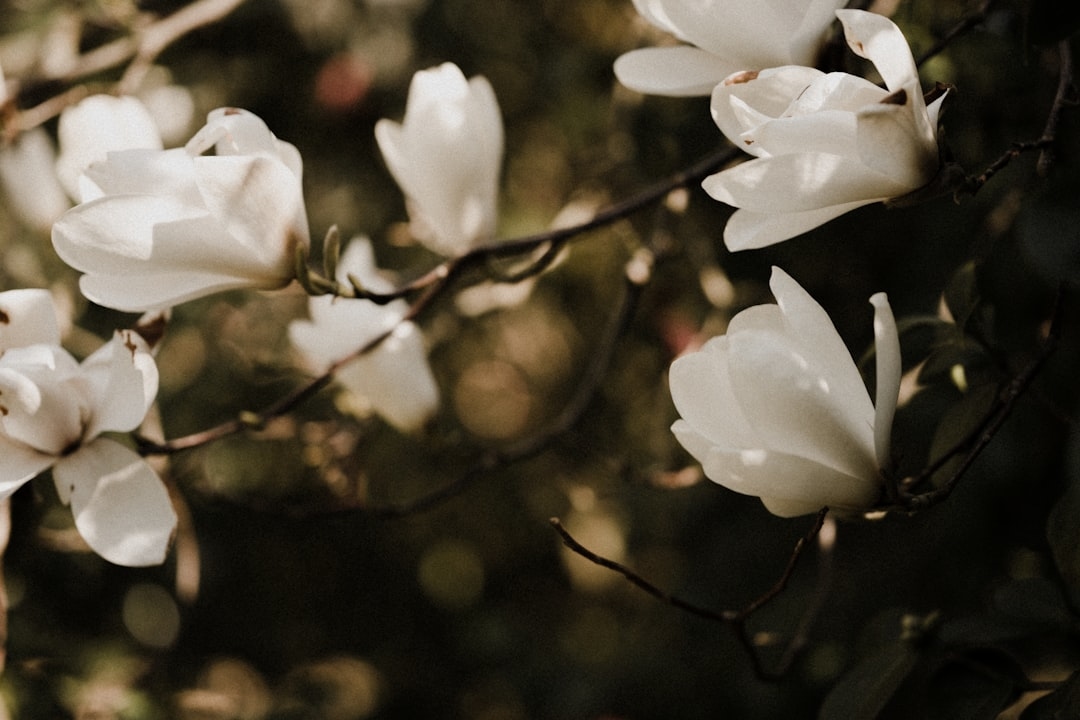
11 facts you didn’t know about magnolias
Contents:
- Quick Answer: What Makes Magnolias Unique?
- Magnolias Are Older Than Bees (Seriously!)
- Not All Magnolias Are White–Far From It
- Magnolia Flower Colors and Common Cultivars
- Magnolia: The State Flower of Both Louisiana and Mississippi
- Magnolias Don’t Always Lose Their Leaves
- Two Main Types of Magnolia
- Magnolia Blooms Can Be as Big as Dinner Plates
- The Scent Is So Iconic, It’s Bottled by Perfume Houses
- Florists Love (and Sometimes Struggle With) Magnolia Branches
- There’s a Magnolia for Every American Garden
- Popular Magnolia Species for US Gardens
- Magnolias Have Medicinal Roots
- Magnolia Wood Has Industrial Value–And a Secret Past
- Magnolias Are Surprisingly Tough
- FAQ: Magnolia Questions Answered
- How long do magnolia flowers last?
- Are magnolia trees messy?
- Can I grow a magnolia in cold climates?
- Are magnolia flowers edible?
- What’s the best way to care for a magnolia tree?
11 Facts You Didn’t Know About Magnolias
There’s a magnolia tree in Mississippi older than most American cities, with creamy white blossoms opening each spring like porcelain bowls. People walk by without knowing they’re looking at a plant that’s survived everything from the dinosaurs to Southern thunderstorms. Magnolias aren’t just another roadside tree; they’re ancient, fragrant, and deeply woven into American stories. But how much do you really know about these showstoppers of the floral world?
Quick Answer: What Makes Magnolias Unique?
Magnolias are one of the oldest flowering plant genera, dating back over 95 million years. They boast over 200 species, thrive in a wide range of climates across the US, and are known for their large, fragrant blossoms–which can be white, pink, purple, yellow, or even green. Unlike most flowers, magnolias don’t rely on bees for pollination but are instead adapted for beetles. Their leathery leaves and tough petals make them natural survivors, and their wood, roots, and blooms have been used in traditional medicine for centuries.
1. Magnolias Are Older Than Bees (Seriously!)
Imagine a flower so ancient it predates the bee. That’s the magnolia. According to Dr. Lena Bradford, horticulturist at the National Arboretum, fossil records show magnolias were thriving nearly 100 million years ago–when dinosaurs still roamed North America. Instead of bees, magnolias evolved to partner with beetles for pollination, which explains their sturdy, almost waxy petals. Beetles are clumsier than bees, so magnolias had to toughen up.
- Age: Over 95 million years old (Cretaceous Period)
- Main pollinators: Beetles, not bees
- Why? Bees evolved much later; magnolias adapted accordingly
“Magnolias are living fossils–when you see one blooming, you’re looking at prehistory in your front yard.”
– Dr. Lena Bradford, National Arboretum, Washington D.C.
2. Not All Magnolias Are White–Far From It
Most Americans picture a Southern Magnolia: massive creamy-white blooms and glossy green leaves. But magnolias come in more than 200 species and a kaleidoscope of shades. Hybrid cultivars bred in US nurseries (like ‘Susan’ or ‘Galaxy’) are purple, pink, yellow, and even emerald green.
Magnolia Flower Colors and Common Cultivars
| Color | Example Varieties | Petal Size (inches) | USDA Zones |
|---|---|---|---|
| White | Magnolia grandiflora | 6-12 | 7-9 |
| Pink | Magnolia × soulangeana | 4-10 | 5-9 |
| Purple | Magnolia liliiflora | 3-6 | 5-9 |
| Yellow | Magnolia ‘Butterflies’ | 6-8 | 5-9 |
| Green | Magnolia virginiana | 3-6 | 5-10 |
You’ll find these varieties for sale at major US garden centers, usually priced between $35 and $120 for a sapling, depending on size and rarity. Farmgirl Flowers and The Sill occasionally offer magnolia blossom arrangements, especially in spring.
3. Magnolia: The State Flower of Both Louisiana and Mississippi
It takes a special flower to win official status in two states. The magnolia is the state flower of both Louisiana and Mississippi–adopted in 1900 and 1952, respectively. If you’ve driven through Jackson or Baton Rouge in spring, you’ve likely seen the trees carpeting yards and public parks with fragrant petals.
- Mississippi: Known as “The Magnolia State,” it even has Magnolia grandiflora on its state quarter.
- Louisiana: The magnolia appears on official seals and is deeply embedded in the state’s culture and gardening traditions.
4. Magnolias Don’t Always Lose Their Leaves
Most Americans see magnolias as evergreen, thanks to the Southern Magnolia’s year-round glossy foliage. But plenty of magnolias are deciduous, dropping leaves in fall and blooming on bare branches each spring–a dramatic display that rivals cherry blossoms.
Two Main Types of Magnolia
- Evergreen: Magnolia grandiflora, Magnolia virginiana (sweetbay)
- Deciduous: Magnolia stellata (star magnolia), Magnolia × soulangeana (saucer magnolia)
This matters for landscaping: If you want winter greenery, stick with evergreens. Want that burst of spring color? Go deciduous.
5. Magnolia Blooms Can Be as Big as Dinner Plates
The Southern Magnolia holds the record for large blooms in the U.S.–with flowers 6 to 12 inches wide (yes, a foot across!). According to the American Horticultural Society, these blooms can weigh up to 1 pound, making them a dramatic choice for bridal bouquets or centerpieces.
- Bloom size: 6-12 inches (Southern Magnolia)
- Fragrance: Intense, lemony-sweet–often described as “nature’s perfume”
For reference, a typical rose is about 2-4 inches wide. That magnolia centerpiece? It’s stealing the show–guaranteed.
6. The Scent Is So Iconic, It’s Bottled by Perfume Houses
If you’ve ever caught the heady, citrus-floral aroma of a blooming magnolia, you’re not alone in wishing you could bottle it. Luxury perfume brands like Jo Malone London and Acqua di Parma have created magnolia-based scents. US company FragranceX lists more than a dozen designer perfumes featuring magnolia as a top note.
“Magnolia has a unique sparkling, green-citrus character–totally unlike rose or lily. It’s a favorite for spring and summer fragrances,”
– Jasmine North, lead perfumer, Scent Lab NYC
7. Florists Love (and Sometimes Struggle With) Magnolia Branches
Using magnolia in flower arrangements is both a treat and a challenge for florists. Magnolia foliage is strong, lasts up to 2 weeks in a vase (with fresh water), and adds texture to wreaths and garlands. The thick, waxy leaves are especially coveted for winter and Southern-style weddings.
However, the blooms themselves are fleeting and bruise easily. According to Amanda Cruz, lead designer at Bloom & Vine in Atlanta, “Magnolia flowers can brown within hours out of water–it’s a race against the clock.”
Short list:
- Magnolia leaves: Long-lasting, deep green, good for arrangements
- Magnolia flowers: Gorgeous, but fragile–plan for same-day events
- Magnolia branches: Popular for spring displays and event arches
8. There’s a Magnolia for Every American Garden
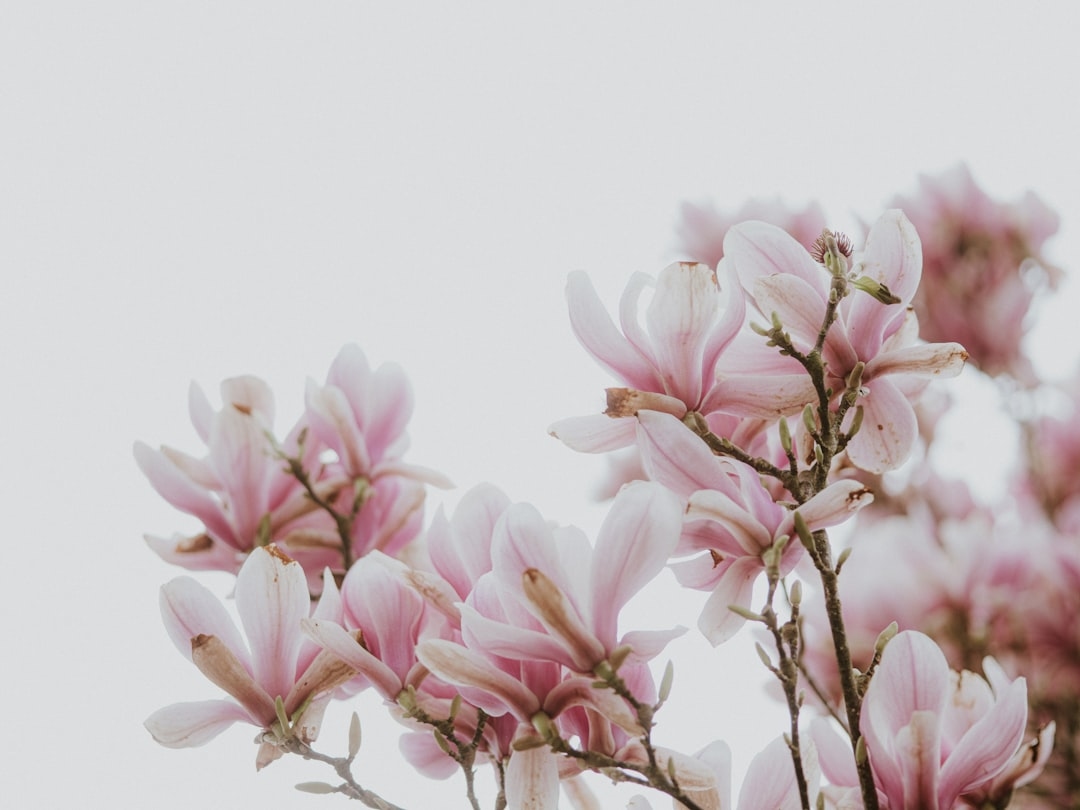
Thanks to breeders and importers, there’s a magnolia for just about every US hardiness zone–from Miami (Zone 10) to Minneapolis (Zone 4).
Popular Magnolia Species for US Gardens
- Magnolia grandiflora: Evergreen, South + coastal states, hardy to Zone 7
- Magnolia stellata (‘Royal Star’): Deciduous, compact, hardy to Zone 4
- Magnolia × soulangeana: Large pink/white blooms, hardy to Zone 5
- Magnolia ‘Butterflies’: Yellow blooms, hardy to Zone 5
- Magnolia virginiana (Sweetbay): Fragrant, semi-evergreen, hardy to Zone 5
Some varieties, like ‘Jane’ and ‘Ann’, are even marketed as “urban magnolias”–smaller, hardy, and tolerant of pollution. US garden centers like Monrovia and White Flower Farm offer mail-order options, with pricing from $40 (small potted trees) up to $250 (larger saplings).
9. Magnolias Have Medicinal Roots
Traditional Chinese medicine has used magnolia bark (Magnolia officinalis) for over 2,000 years to treat anxiety and inflammation. US herbal stores now sell magnolia bark extract as a supplement, often marketed for sleep and stress support.
- Active compounds: Honokiol and magnolol (studied for anti-anxiety effects)
- 2025 US supplement sales: Estimated $6.7 million (Nutrition Business Journal)
Always consult a healthcare provider before trying herbal supplements–magnolia bark can interact with medications.
10. Magnolia Wood Has Industrial Value–And a Secret Past
Magnolia isn’t just about pretty flowers. The wood, especially from Southern Magnolia, is pale, strong, and fine-grained. It’s prized for furniture veneers, cabinets, and even some musical instruments.
During WWII, the US Army used magnolia wood in the production of gun stocks when walnut supplies ran low. Today, magnolia lumber is considered a specialty, running $6-$10 per board foot in 2026.
11. Magnolias Are Surprisingly Tough
Despite their delicate look, magnolias are survivors. Their leathery leaves resist wind and drought, and the roots can thrive even in heavy Southern clay. In 2023, a study from the University of Georgia found urban magnolia plantings withstood record heat waves with less irrigation than many native oaks.
- Average lifespan: 80-120 years (with good care)
- Drought tolerance: High, once established (USDA Plant Hardiness)
FAQ: Magnolia Questions Answered
How long do magnolia flowers last?
Magnolia flowers typically last 7-9 days on the tree, though cut blooms may only last 1-2 days in a vase, depending on the variety. Evergreen species, like Southern Magnolia, may hold flowers slightly longer.
Are magnolia trees messy?
Magnolias can drop large leaves, seed pods, and petals–especially Southern Magnolia. Most gardeners find the beauty is worth the cleanup, but be prepared for some seasonal yard work.
Can I grow a magnolia in cold climates?
Yes–certain species, like star magnolia (Magnolia stellata), are hardy to USDA Zone 4 and can withstand cold winters. Choose the right variety for your zone for best results.
Are magnolia flowers edible?
Certain species’ petals are edible in small amounts and used in Asian cuisine, but not all magnolias are safe to eat. Always confirm variety and check with a local expert before using magnolia petals in food or tea.
What’s the best way to care for a magnolia tree?
Plant in well-drained soil, mulch yearly, and water deeply during dry spells. Magnolias prefer full sun to light shade and need minimal pruning–just remove dead or crossing branches in late winter.
Ready to add a little prehistory to your backyard or bouquet? Next time you pass a magnolia in full bloom–or see those glossy leaves in a florist’s window–look closer. You’re not just seeing a flower, but a survivor that’s been gracing American landscapes since before mammals ruled the earth. Why not plant one this year, or ask your florist for a touch of magnolia in your next arrangement? In 2026, magnolias are trending across US gardens, and their story is only getting richer.

Related Posts
Preserved rose dome brands compared
Field to Vase Dinner Tour explained