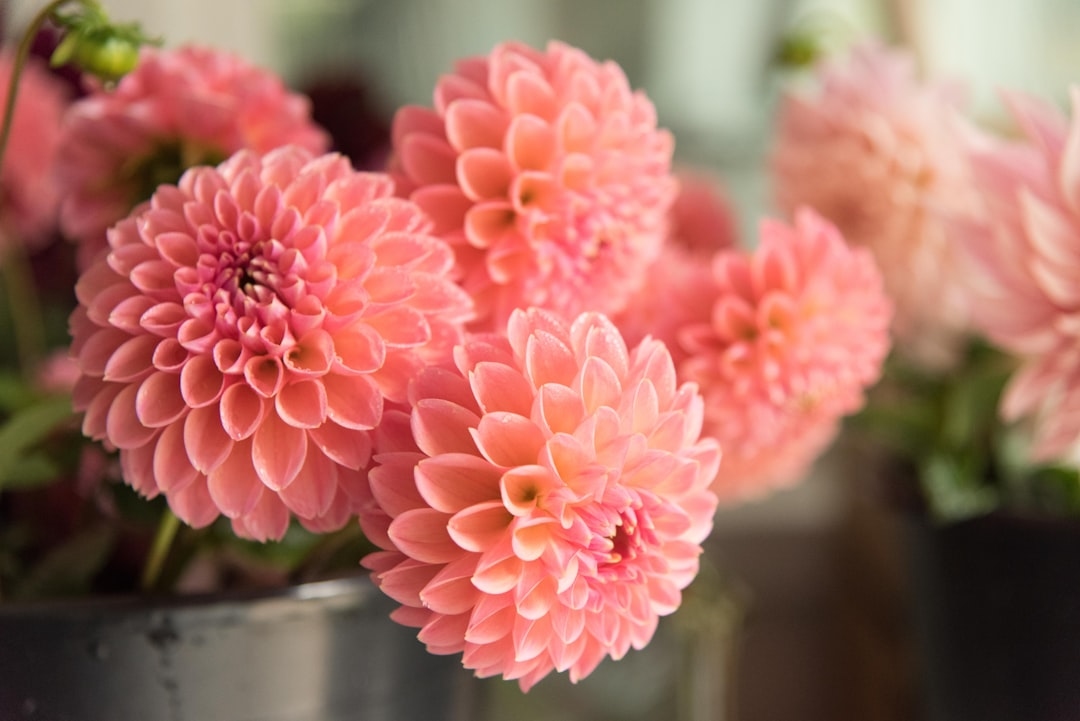
7 facts you didn’t know about dahlias
Contents:
- Dahlias: Quick Facts Answer
- Over 57,000 Dahlias and Counting
- Native to Mexico, National Treasure
- Eat Your Dahlias – Really!
- Are Dahlias Safe to Eat?
- Unmatched Vase Life for Summer Flowers
- Big, Small, and Downright Showstopping
- The Search for Blue
- Dahlias Are Big Business in the United States
- Where to Buy Dahlias in 2026
- FAQ About Dahlias
- Do dahlias come back every year?
- Are dahlia flowers poisonous to pets or humans?
- How long will dahlias last in a vase?
- When is the best time to plant dahlias in the US?
- What Next? Grow or Gift a Dahlia!
7 Facts You Didn’t Know About Dahlias
Three feet tall, 100 petals apiece, and every shade from watermelon pink to neon tangerine – dahlias are the drama queens of the summer garden. But unless you’ve wandered the back aisles of a flower farm or geeked out at a dahlia society show in Seattle, chances are there’s a lot you don’t know about these spectacular blooms.
Dahlias: Quick Facts Answer
What are 7 surprising facts about dahlias?
- Dahlias come in over 57,000 registered varieties.
- Native to Mexico, they’re the country’s national flower.
- Their tubers are edible (and taste like a cross between a potato and an apple).
- Dahlias boast one of the longest fresh vase lives among cut flowers.
- Some varieties are as small as a quarter; others span more than a dinner plate.
- Dahlias do not have true blue flowers – despite centuries of breeding attempts.
- In the US, “Dinnerplate” dahlias can retail for $8-$20 per stem at specialty florists.
Let’s dig deeper into these seven facts about dahlias and discover why they keep winning hearts across the United States, from California flower farms to Brooklyn brownstone stoops.
1. Over 57,000 Dahlias and Counting
At last check by the American Dahlia Society in 2026, there are more than 57,000 recognized dahlia varieties. No other garden flower can touch that number. (Roses, for comparison, hover around 30,000.)
Why so many?
Dahlias are genetically complex. Each cross-pollination can produce radically new shapes, colors, or petal types. That’s how you get everything from the tiny, ball-shaped ‘Pompon’ dahlias to massive, spiky ‘Cactus’ styles. It’s also why breeders like Floret Flowers in Washington and Ferncliff Gardens in Ontario keep unveiling new stars each year.
Here’s a quick glimpse:
| Dahlia Type | Description | Average Bloom Size |
|---|---|---|
| Pompon | Round, compact blossom | 1-2 inches |
| Ball | Spherical, larger | 2-4 inches |
| Dinnerplate | Huge, flat blooms | 8-12+ inches |
| Cactus | Thin, pointed petals | 4-8 inches |
| Waterlily | Flat, layered petals | 4-6 inches |
“Dahlia’s genetic diversity is like nothing else in the cut-flower world. Ten seeds from the same parent can give you ten different flowers.”
– Dr. Shayla Monroe, Horticulturist & Dahlia Breeder, Oregon State University
2. Native to Mexico, National Treasure
Long before dahlias dazzled American gardeners, they were wildflowers in the mountains of central Mexico. Aztec herbalists grew dahlias for both their beauty and their tubers (roots).
Official Since 1963
Mexico recognized the dahlia as its national flower in 1963–a title no other country has bestowed on this genus. Native names like “Acocoxochitl” hint at centuries-old ties to indigenous medicine and food.
In 2026, most commercial dahlia tubers in the US still trace their genetic roots to Central American species. Every time you spot a dahlia at your local Safeway or order a dahlia bouquet from The Bouqs Co., you’re glimpsing a little piece of Mexican heritage.
3. Eat Your Dahlias – Really!
Few people realize that dahlia tubers are edible. The Aztecs ate them long before potatoes arrived in the Americas. In modern taste tests, dahlia tubers are crisp like jicama, with flavors ranging from mild apple to radish or carrot.
Are Dahlias Safe to Eat?
Yes, the tubers are non-toxic to humans, but not all varieties taste good. Florists generally grow for beauty, not flavor. Edible tubers are sometimes available at specialty markets (like Chef’s Garden in Ohio) for $12-$28 per pound.
How do you eat dahlia tubers?
Peel and slice raw for salads, or roast them like sunchokes. The petals, while not toxic, are mostly used for garnishing plates and cakes.
“Dahlia tubers are a great conversation starter at any farm-to-table dinner. Their taste is subtle, and they add an unexpected crunch.”
– Chef Laura Torres, Chef de Cuisine, San Francisco Farmhouse
4. Unmatched Vase Life for Summer Flowers
For fresh-cut flowers in summer, few hold up as long as a dahlia. While delicate peonies wilt in under five days and zinnias go limp in seven, dahlias–if harvested at the perfect stage–can last 7-10 days in the vase.
Tips for Freshness:
- Harvest early: Early morning, when blooms are firm.
- Choose mature flowers: Buds won’t open after cutting.
- Change water daily: Dahlias are thirsty and sensitive to bacteria.
- Recut stems: Every two days at an angle.
US florists like UrbanStems and Farmgirl Flowers often feature homegrown dahlias in August and September, sometimes charging $8-$20 per stem, especially for rare “dinnerplate” types.
5. Big, Small, and Downright Showstopping
Dahlias truly run the size spectrum. Some, like ‘Little Beeswings’, are just over an inch wide. Others, like ‘Cafe au Lait’ or ‘Thomas Edison’, stretch over 12 inches–as big as a salad plate.
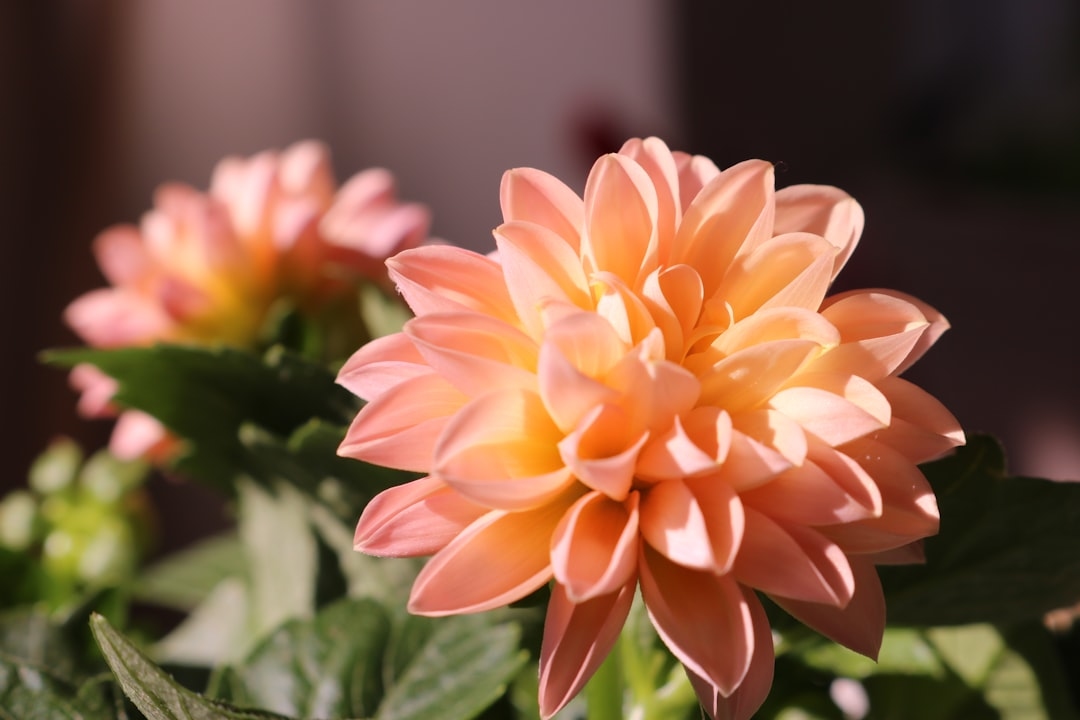
Dahlia Size List (Common US Varieties):
- Micro: 1-2 inches (‘Thumbelina’)
- Mini: 2-4 inches (‘Small World’)
- Medium: 4-6 inches (‘Cornel’)
- Dinnerplate: 8-12+ inches (‘Kelgai Ann’, ‘Emory Paul’)
Giant dahlias are crowd-pleasers at floral events like the National Dahlia Show in San Francisco, with prizewinners fetching $100+ bouquets at charity auctions.
6. The Search for Blue
Ask any breeder: true-blue dahlias do not exist – yet. Despite thousands of hybrids, the natural pigments in dahlias can’t produce a real blue, only purple or lavender shades.
The iconic ‘Blue Boy’ dahlia is actually lilac. Scientists at the University of Connecticut have been experimenting with gene editing since 2023, but so far, the bluest dahlias in US gardens are still closer to periwinkle.
“You get everything from cherry-red to lemon yellow to jet black, but that elusive cornflower blue is still just a dream.”
– Gloria Reyes, President, American Dahlia Society
7. Dahlias Are Big Business in the United States
US flower lovers adore dahlias. The American cut-flower market for dahlias was valued at $165 million in 2025, with steady annual growth. Demand spikes in late summer, just as local peonies and tulips are fading.
Where to Buy Dahlias in 2026
- Grocery Chains: Whole Foods, Trader Joe’s
- Online Services: UrbanStems, The Bouqs Co., Farmgirl Flowers
- Local Florists: Peak season for “dinnerplate” stems is July-October. Expect $8-$20 per stem.
- Farm Stands & Markets: Top picks in California, Oregon, and New York.
“Dahlias are always near the top of the ‘most requested summer wedding flowers’ list,” says Alyssa Choi, lead designer at Petal & Pine (Boston). “In 2026, we’re seeing even more demand for specialty varieties–especially the blush, ombré, and burgundy dinnerplates that wow on social media.”
FAQ About Dahlias
Do dahlias come back every year?
Dahlias are technically perennials, but in most of the US (zones 3-7), they aren’t winter hardy. Gardeners usually dig up and store the tubers after the first frost, then replant in spring.
Are dahlia flowers poisonous to pets or humans?
Dahlia flowers and tubers are not toxic to humans, but some pets (especially dogs and cats) may develop mild digestive upset if they eat them.
How long will dahlias last in a vase?
With proper care, dahlias can last 7-10 days in a vase. Changing water daily and recutting stems helps maximize their vase life.
When is the best time to plant dahlias in the US?
Plant dahlia tubers outdoors after the danger of frost has passed–usually April to May, depending on your USDA hardiness zone.
What Next? Grow or Gift a Dahlia!
Curious to see what all the fuss is about? Try picking up a mixed dahlia bouquet this August from a local florist or farmers’ market. Or better yet, plant a few tubers this spring and discover your own favorite variety. With more than 57,000 dahlias out there, chances are you’ll find something that makes you fall in love, whether it’s a tiny pompon or a giant pastel dinnerplate.
And maybe–just maybe–2026 will be the year someone finally breeds a true-blue dahlia. Until then, there’s no shortage of color, character, or stories behind every petal.

Related Posts
Preserved rose dome brands compared
Field to Vase Dinner Tour explained